How To Descale Your Nescafe Dolce Gusto Coffee Machine
Descaling your Nescafe Dolce Gusto coffee machine is essential for maintaining great-tasting coffee and extending your machine’s lifespan. This guide walks you through the entire descaling process using simple household items or a dedicated descaling solution. You’ll learn how often to descale, what signs to watch for, and how to keep your machine in top shape year-round.
Your Nescafe Dolce Gusto coffee machine is a daily companion that delivers café-quality drinks right at home. But like any appliance that handles water and heat, it is prone to limescale buildup over time. Descaling is the simple process that removes this chalky mineral deposit and keeps your machine running at its best.
If you have noticed your coffee tasting a bit off or your machine taking longer to brew, it might be time for a descaling session. In this guide, we will walk you through everything you need to know. We will cover why descaling matters, how to tell when your machine needs it, and the exact steps to get the job done right. Whether you are a coffee novice or a seasoned barista at home, this guide has you covered.
For those who also enjoy coffee made in other ways, you might want to explore our guide on How To Make Coffee In Microwave Oven for quick alternative brewing methods. Now, let us dive into the world of descaling and keep your Dolce Gusto performing like new.
Key Takeaways
- Descale every 3-6 months: Regular descaling prevents limescale buildup and keeps your coffee tasting its best.
- Use the right descaling agent: Choose between a store-bought descaler, white vinegar, or citric acid based on your preference.
- Watch for warning signs: Slow brewing, unusual noises, and changed coffee flavor signal it is time to descale.
- Follow the step-by-step process: A proper descaling cycle takes about 30 minutes and requires minimal effort.
- Rinse thoroughly after descaling: Always run multiple water cycles to remove any residual descaling solution.
- Prevent buildup with good habits: Use filtered water and clean your machine regularly between descaling sessions.
📑 Table of Contents
- Why Descaling Your Nescafe Dolce Gusto Matters
- Signs Your Nescafe Dolce Gusto Needs Descaling
- What You Need to Descale Your Machine
- Step-by-Step Guide to Descaling Your Nescafe Dolce Gusto
- Preventing Limescale Buildup in the Future
- Common Descaling Mistakes to Avoid
- Expert Tips for the Best Results
- Conclusion
Why Descaling Your Nescafe Dolce Gusto Matters
Descaling is not just a maintenance chore. It is a critical step in protecting your investment and ensuring every cup of coffee tastes wonderful. When hard water flows through your machine, it leaves behind mineral deposits called limescale. Over time, this buildup can cause real problems.
The Impact of Limescale on Coffee Quality
Limescale acts like a blanket inside your machine. It coats the heating element and narrows the water channels. This means your coffee brews at the wrong temperature and takes longer to pass through the system. The result is a weaker, sometimes bitter or metallic-tasting cup of coffee that is far from the rich flavor you expect.
Regular descaling removes this buildup and restores proper water flow and temperature. Your coffee will taste cleaner, brighter, and more aromatic. You will notice the difference from the very first cup after descaling.
Protecting Your Machine From Damage
Beyond taste, limescale can actually damage your Nescafe Dolce Gusto machine. The heating element has to work harder when coated in mineral deposits. This extra strain leads to higher energy consumption and can shorten the life of your appliance. In severe cases, limescale can block water lines entirely and cause your machine to stop working.
Think of descaling as an oil change for your car. It is a small effort that prevents big, expensive problems down the road. A well-maintained coffee machine can last for years, giving you countless cups of delicious coffee.
How Often Should You Descale?
The general recommendation is to descale your Nescafe Dolce Gusto every three to six months. However, this depends on a few factors:
- Water hardness in your area: Hard water areas need more frequent descaling, possibly every two to three months.
- How often you use the machine: Daily users should descale more often than occasional users.
- Type of water you use: Filtered water produces less limescale than tap water.
Your machine may also have a descaling indicator light. If yours does, pay attention to it. That light is your machine telling you it is time for maintenance.
Signs Your Nescafe Dolce Gusto Needs Descaling
You do not always need a timer to know when to descale. Your machine gives you clear warning signs. Learning to recognize these signals helps you catch limescale buildup early before it causes damage.
1. Slower Brewing Time
If your coffee machine takes noticeably longer to brew a cup, limescale is likely narrowing the water pathways. Water struggles to push through mineral-coated tubes and components. What used to take 30 seconds now takes a minute or more. This is one of the earliest and most obvious signs that descaling is needed.
2. Unusual Noises During Brewing
A healthy Nescafe Dolce Gusto machine operates with a smooth, quiet flow. If you hear gurgling, bubbling, or clicking sounds during brewing, mineral buildup is probably disrupting the normal water flow. These noises mean the machine is working harder than it should.
3. Change in Coffee Taste or Appearance
Trust your taste buds. If your coffee suddenly tastes flat, bitter, or slightly metallic, limescale may be contaminating the brewing process. You might also notice that the coffee color looks duller than usual. This is a clear signal that it is time to clean the inside of your machine.
4. Steam Reduction
If your machine has a steam function for frothing milk, reduced steam output can indicate limescale buildup in the steam wand or boiler. The steam may come out weaker or sputter instead of flowing steadily.
5. Error Messages or Light Indicators
Many modern Nescafe Dolce Gusto models include a descaling reminder light or display message. Do not ignore this. It is a built-in alert designed to protect your machine from the effects of prolonged limescale exposure.
What You Need to Descale Your Machine
Getting ready for descaling is simple. You do not need any special tools or expertise. Here is everything you will need to have on hand before you start.
Descaling Solutions
You have several options for descaling your Nescafe Dolce Gusto. Each has its pros and cons:
- Official Nescafe descaler: This is the safest and most recommended option. It is specifically formulated for your machine and comes with clear instructions.
- White vinegar: A household staple that works well for descaling. Mix it with water in a 1:1 ratio. It is affordable and easy to find.
- Citric acid: A natural alternative that is effective and leaves less smell than vinegar. Use about one tablespoon per cup of water.
- Commercial coffee machine descalers: Brands like Urnex or Dezcal make excellent descaling products designed specifically for pod and capsule machines.
Other Supplies You Will Need
- Clean water (filtered water is best)
- A large container or tray to catch runoff
- A clean cloth or sponge for wiping the exterior
- Fresh water for rinsing cycles
Just as proper appliance care matters for other kitchen equipment, maintaining your coffee machine follows similar principles. If you are curious about maintaining other kitchen appliances, check out our How To Use Combi Oven guide for tips on getting the most from your multi-function oven.
Step-by-Step Guide to Descaling Your Nescafe Dolce Gusto
Now for the part you have been waiting for. The actual descaling process is straightforward and takes about 30 minutes. Follow these steps carefully for the best results.
Step 1: Prepare Your Machine
Start by turning off your Nescafe Dolce Gusto and unplugging it from the power outlet. Remove any coffee pods or capsules from the pod holder. Take out the water reservoir and empty any remaining water. This gives you a clean starting point for the descaling process.
Step 2: Prepare the Descaling Solution
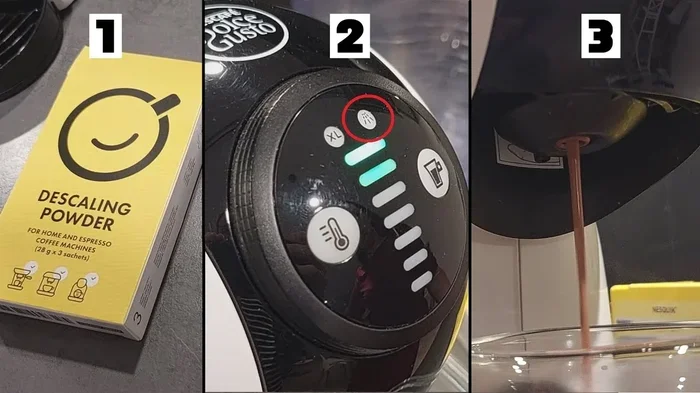
Mix your chosen descaling agent with water. If you are using an official Nescafe descaler, follow the ratio on the packaging. For white vinegar, use equal parts vinegar and water. For citric acid, dissolve one tablespoon in one liter of water. Pour the solution into the water reservoir.
Do not put any coffee pod in the machine during this process. The descaling solution needs to flow through all the internal components without interference.
Step 3: Run the Descaling Cycle
Place a large container or tray under the coffee outlet and the drip tray to catch the solution. Plug the machine back in and turn it on. Start a brew cycle as you normally would, but let the descaling solution run through the machine. Most machines will need several cycles to flush all the internal pathways.
Let the solution sit inside the machine for about 15 minutes. This dwell time allows the descaler to dissolve the limescale effectively. After the waiting period, run the solution through completely into your container.
Step 4: Rinse Thoroughly
This step is crucial. Never skip rinsing. Fill the water reservoir with fresh, clean water and run at least two to three full brewing cycles without any descaling solution. This removes any residual taste or residue from the machine. Your coffee should not taste of vinegar or citric acid after rinsing.
Step 5: Clean the Exterior
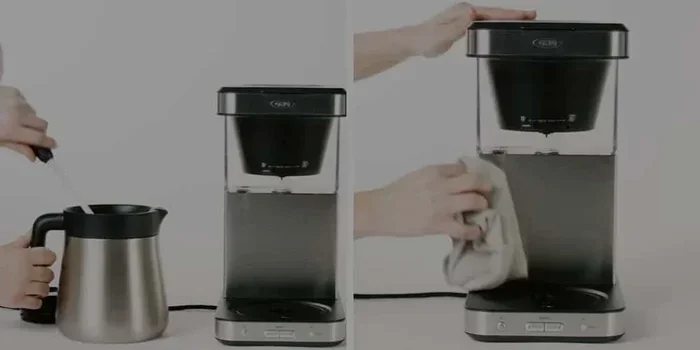
While the machine is open and accessible, give the exterior a good wipe-down. Use a damp cloth to clean the pod holder, drip tray, and water reservoir. A clean exterior contributes to overall machine hygiene and keeps your kitchen looking tidy.
Step 6: Reset the Descaling Indicator
If your Nescafe Dolce Gusto has a descaling light or indicator, reset it now. The process varies by model, but it typically involves holding a button combination for a few seconds. Check your user manual for the exact steps for your specific model.
Preventing Limescale Buildup in the Future
Descaling is important, but prevention is even better. These simple habits will reduce limescale buildup and extend the time between descaling sessions.
Use Filtered Water
The single best thing you can do is use filtered or softened water in your Nescafe Dolce Gusto. Filtered water contains fewer minerals that cause limescale. It also improves the taste of your coffee. A simple water filter pitcher or an in-line water filter can make a big difference.
Do Not Let Water Sit in the Reservoir
Empty the water reservoir when you are not using the machine for an extended period. Stagnant water evaporates and leaves behind mineral deposits. Fresh water for each use keeps the internal components cleaner.
Clean Regularly Between Descaling Sessions
Wipe down your machine weekly and rinse the water reservoir frequently. Empty and rinse the drip tray after each use. These small habits keep your machine in great shape between the bigger descaling sessions.
Taking care of your kitchen appliances pays off in the long run. Much like knowing how to properly reheat food in the oven preserves both flavor and appliance health, regular coffee machine maintenance preserves taste and performance.
Common Descaling Mistakes to Avoid
Even with the best intentions, people sometimes make mistakes during the descaling process. Here are the most common ones and how to avoid them.
Using Too Much Vinegar
While vinegar is a great descaler, using too much can leave a lingering smell and taste. Stick to the 1:1 ratio with water and always rinse thoroughly. If the vinegar smell persists after rinsing, run an extra cycle with plain water.
Skipping the Rinse Cycles
Some people rush through the process and skip rinsing. This is a big mistake. Residual descaling solution can affect the taste of your coffee and may even damage internal components over time. Always run at least two to three full rinse cycles.
Using Harsh Chemicals
Do not use bleach, abrasive cleaners, or harsh chemical solvents in your Nescafe Dolce Gusto. These can damage the internal seals, tubing, and components. Stick to descalers specifically designed for coffee machines or mild household alternatives like vinegar and citric acid.
Ignoring the Descaling Reminder
It is tempting to dismiss the descaling light and keep brewing. But ignoring this warning allows limescale to accumulate further. The longer you wait, the harder it becomes to remove the buildup and the more damage it can cause.
Expert Tips for the Best Results
Here are some pro tips that will help you get the most out of your descaling routine and keep your Nescafe Dolce Gusto in excellent condition.
- Descale on a weekend morning: The process takes about 30 minutes plus rinse time. Doing it when you are not in a rush means you will not skip the important rinse cycles.
- Keep a descaling log: Note the date of each descaling session. This helps you track how often your machine needs it based on your water hardness and usage patterns.
- Use room-temperature water: Cold water does not dissolve limescale as effectively. Room-temperature or slightly warm water works better for the descaling solution.
- Clean the pod holder separately: Remove and rinse the pod holder and needle area during each descaling session. Old coffee residue can mix with limescale and cause blockages.
- Replace your water filter regularly: If your machine has a water filter, replace it according to the manufacturer’s recommendations. A fresh filter reduces mineral buildup between descaling sessions.
Your Nescafe Dolce Gusto is an important part of your daily routine. Taking a little time to descale it regularly ensures that every cup of coffee tastes as good as the first one. The process is simple, quick, and incredibly rewarding when you taste the difference in your next brew.
Conclusion
Descaling your Nescafe Dolce Gusto coffee machine is one of the simplest and most impactful maintenance tasks you can do. It protects your machine from damage, improves coffee taste, and extends the lifespan of your favorite kitchen appliance. With just a descaling solution, some water, and about 30 minutes of your time, you can keep your machine running like new.
Remember to descale every three to six months, watch for the warning signs, and follow our step-by-step process. Make it a habit, and your coffee will thank you. A little maintenance goes a long way toward perfect coffee every single morning.
Frequently Asked Questions
Can I use white vinegar to descale my Nescafe Dolce Gusto?
Yes, white vinegar is a safe and effective alternative to commercial descalers. Mix it with water in a 1:1 ratio and run it through the machine. Just be sure to rinse thoroughly with fresh water afterward to remove any vinegar taste or smell.
How long does the descaling process take?
The entire descaling process takes about 30 minutes, including the dwell time for the solution and two to three rinse cycles. The actual brewing time is shorter, but the waiting and rinsing steps add up.
What happens if I do not descale my coffee machine?
Without regular descaling, limescale builds up inside your machine. This leads to slower brewing, poorer coffee taste, higher energy use, and eventually machine failure. Severe limescale buildup can cause permanent damage that no descaling can fix.
Can I use lemon juice instead of vinegar or citric acid?
Lemon juice contains citric acid and can work as a descaler. However, it is less concentrated than pure citric acid and may leave a slight fruity residue. If you use lemon juice, rinse your machine extra thoroughly afterward.
How do I know which descaling solution to use?
Check your Nescafe Dolce Gusto user manual for the manufacturer’s recommendation. Official Nescafe descalers are always a safe choice. Vinegar and citric acid are great budget-friendly alternatives that work well for most machines.
Is descaling the same as cleaning my coffee machine?
No, they are different tasks. Cleaning refers to wiping down external parts, rinsing the pod holder, and removing coffee residue. Descaling specifically targets the mineral buildup inside the machine’s water pathways and heating element. Both are important for keeping your machine in top shape.