How Long To Cook A Cured Ham In The Oven Perfectly
Learning how long to cook a cured ham in the oven is easier than you think. A typical cured ham needs about 15 to 20 minutes per pound at 325°F to cook through and brown nicely. This guide covers everything from prep to glaze so you can serve a show-stopping ham with total confidence.
Cooking a cured ham in the oven might seem intimidating at first. But once you know the basics, it becomes one of the easiest and most rewarding meals you can make. Whether you are preparing a holiday centerpiece or a weekend family dinner, this guide will walk you through every step. We will cover timing, temperature, prep work, and glaze ideas so you can bake a ham that wows everyone at the table.
The big question most people ask is, “How long to cook a cured ham in the oven?” The answer depends on the size of your ham, whether it is bone-in or boneless, and the oven temperature you use. In this article, we break it all down in plain, simple terms. You will find practical tips, common mistakes to avoid, and answers to the questions people ask most. By the end, you will feel ready to put a beautiful ham in the oven with confidence.
Key Takeaways
- Plan for 15–20 minutes per pound: This is the general rule for baking a cured ham at 325°F.
- Always use a meat thermometer: The safe internal temperature is 140°F for store-bought cured ham.
- Glaze in the last 20–30 minutes: This prevents burning and gives you a beautiful, caramelized finish.
- Let the ham rest for 15 minutes: Resting keeps the juices inside and makes carving easier.
- Score the ham before baking: Scoring helps the glaze seep in and creates an attractive presentation.
- Leftover ham lasts 5 days: Store it properly in the fridge or freeze it for longer storage.
📑 Table of Contents
- Understanding Cured Ham: What You Are Working With
- How Long To Cook A Cured Ham In The Oven
- Preparing Your Ham for the Oven
- The Best Glaze Recipes for Baked Ham
- Checking When Your Ham Is Done
- Serving and Storing Your Baked Ham
- Common Mistakes to Avoid When Baking Cured Ham
- Expert Tips for the Perfect Baked Cured Ham
Understanding Cured Ham: What You Are Working With
Before we dive into cooking times, it helps to understand what cured ham actually is. Cured ham is pork that has been treated with salt, nitrates, or nitrites to preserve it and enhance its flavor. This process gives ham its signature salty, savory taste and pink color. You can find cured ham in many forms at the grocery store.
Types of Cured Ham
Not all hams are the same. Here are the most common types you will encounter:
- Spiral-sliced ham: This ham is already sliced in a spiral pattern. It is very convenient and heats up quickly. Many people choose spiral ham for holidays because it is easy to serve.
- Whole bone-in ham: This is a full ham with the bone still inside. It tends to be more flavorful but takes longer to cook. It also looks impressive on a buffet table.
- Half ham: A whole ham is cut in half. This is a great option for smaller families or gatherings. It cooks faster than a whole ham.
- Boneless ham: This ham has the bone removed. It is easier to carve and often comes already sliced. It heats up evenly and is very beginner-friendly.
- City ham vs. country ham: City ham is wet-cured and is what most people buy at the supermarket. Country ham is dry-cured and saltier. City ham is what we focus on in this guide.
Is Cured Ham Already Cooked?
Here is something many people do not know. Most cured hams you buy at the store are already fully cooked. That means they are safe to eat right out of the package. But heating them in the oven improves the texture and flavor. It also allows you to add a warm, sticky glaze. So even though your ham is technically done, you still need to heat it through. This is why cooking time and temperature matter so much.
How Long To Cook A Cured Ham In The Oven
This is the section you have been waiting for. The short answer is that you should bake a cured ham at 325°F for about 15 to 20 minutes per pound. But there is more to it than just the clock. Let us break it down by ham type and size so you can plan your cooking day with ease.
Cooking Time by Ham Weight
The weight of your ham is the biggest factor in how long it takes to cook. Use this simple guide as a starting point:
- 3–4 pound ham: About 45 minutes to 1 hour and 20 minutes
- 5–6 pound ham: About 1 hour and 15 minutes to 2 hours
- 7–8 pound ham: About 1 hour and 45 minutes to 2 hours and 40 minutes
- 9–10 pound ham: About 2 hours and 15 minutes to 3 hours and 20 minutes
- 10+ pound ham: Plan for 3 hours or more, depending on size
These times assume you are baking at 325°F. If you use a different temperature, the time will change. Always use a meat thermometer to check the internal temperature. This is the most reliable way to know your ham is ready.
Bone-In vs. Boneless Cooking Times
Does the bone affect cooking time? Yes, it does. A bone-in ham takes a little longer to heat through because the bone insulates the meat. Boneless hams cook more evenly and tend to be done a bit faster. If you are in a hurry, a boneless ham is a great choice. But if you want extra flavor, go for a bone-in ham. The bone adds a rich, deep taste that many people love.
Oven Temperature: Why 325°F Is the Sweet Spot
Most baking experts and food authorities recommend 325°F as the ideal oven temperature for ham. At this temperature, the ham cooks evenly without drying out. If you set the oven too hot, the outside will burn before the inside is warm. If you go too low, the ham will take forever and may dry out as well. 325°F gives you the perfect balance of gentle, even heating and a beautiful golden-brown finish.
Some recipes call for starting at a higher temperature for the first 15 minutes to kick-start the browning. After that, you drop it down to 325°F. This is a great trick if you want a deeply caramelized exterior. Just keep an eye on it so it does not burn.
How Long To Cook A Cured Ham In The Oven: A Step-by-Step Timeline
Here is a simple timeline to follow when baking a 7-pound cured ham at 325°F:
- Preheat the oven to 325°F. Give it at least 15 minutes to reach the right temperature.
- Place the ham cut-side down in a roasting pan. Add about one inch of water to the bottom of the pan. This keeps the ham moist.
- Cover the ham loosely with foil. The foil traps steam and helps the ham cook evenly.
- Bake for about 2 hours. This is roughly 15 minutes per pound for a 7-pound ham.
- Remove the foil and add the glaze. Brush the glaze on generously and return the ham to the oven uncovered.
- Bake for another 20–30 minutes. This lets the glaze caramelize and turn golden brown.
- Check the internal temperature. It should read 140°F when measured in the thickest part.
- Let the ham rest for 15 minutes. This is the step most people skip, but it makes a big difference.
Preparing Your Ham for the Oven
Good prep work sets you up for success. Taking a few extra minutes before the ham goes in the oven can make a huge difference in the final result. Here is what to do before you turn on the oven.
Step 1: Remove the Ham from the Package
Take the ham out of its packaging and discard any plastic, netting, or liquid. If your ham came with a glaze packet, set it aside for now. Rinse the ham under cool water and pat it dry with paper towels. This removes any surface residue and helps the glaze stick better later.
Step 2: Score the Ham
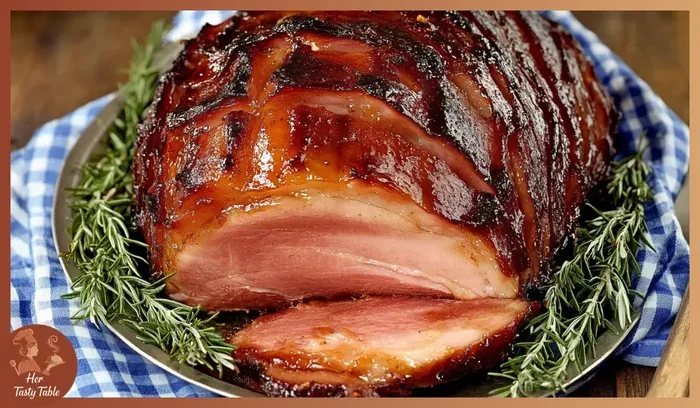
Scoring means cutting shallow diamond shapes into the surface of the ham. Use a sharp knife and cut about a quarter-inch deep. Scoring does two important things. First, it allows the glaze to seep into the meat, giving every bite more flavor. Second, it makes the ham look beautiful and professional. The diamonds will caramelize in the oven and create an appetizing pattern on the outside.
Step 3: Place It in the Roasting Pan
Set the ham cut-side down in a large roasting pan. If you have a rack, use it. A rack lets hot air circulate around the ham, which promotes even cooking. If you do not have a rack, you can place the ham directly in the pan. Just make sure to add water to the bottom to keep the drippings from burning.
Step 4: Cover with Foil
Tent the ham loosely with aluminum foil. Do not wrap it tightly. You want some space for steam to circulate. The foil keeps the ham moist during the long cooking process. You will remove the foil later to let the glaze brown and crisp up.
Quick Prep Tips
- Let the ham sit at room temperature for 30 minutes before baking. This helps it cook more evenly.
- Save the juices from the package. You can add them to the roasting pan for extra flavor.
- Use a disposable roasting pan if you are worried about cleanup. They work great for big hams.
The Best Glaze Recipes for Baked Ham
A good glaze can turn an ordinary ham into a showstopper. The glaze goes on during the last part of cooking, giving the ham a sweet, shiny, caramelized coating. Here are three easy glaze recipes you can try.
Classic Brown Sugar Glaze
This is the most popular ham glaze, and for good reason. It is simple, sweet, and delicious.
- 1 cup brown sugar, packed
- 1/4 cup honey
- 2 tablespoons Dijon mustard
- 1/4 cup apple cider vinegar
- 1 teaspoon cinnamon
Mix all the ingredients in a bowl until smooth. Brush it on the ham during the last 20 minutes of baking. The sugar will melt and caramelize into a beautiful, sticky coating.
Pineapple Bourbon Glaze
This glaze adds a tropical twist to your ham. It is sweet, a little smoky, and absolutely delicious.
- 1 cup pineapple juice
- 1/4 cup bourbon or maple syrup
- 2 tablespoons brown sugar
- 1 tablespoon cornstarch mixed with 1 tablespoon cold water
- 1/2 teaspoon cloves
Simmer the pineapple juice, bourbon, brown sugar, and cloves in a saucepan for 10 minutes. Stir in the cornstarch mixture until thick. Brush it on the ham in the last 15–20 minutes of baking.
Maple Mustard Glaze
This glaze is a perfect balance of sweet and tangy. It pairs beautifully with any cured ham.
- 1/2 cup pure maple syrup
- 1/4 cup whole grain mustard
- 2 tablespoons apple cider vinegar
- 1 tablespoon olive oil
- 1/2 teaspoon black pepper
Whisk everything together until combined. Brush it on the ham during the last 25 minutes of cooking. The glaze will bubble and turn a gorgeous amber color.
When to Apply the Glaze
Timing is everything when it comes to glazing. You do not want to put the glaze on too early. The sugar in the glaze can burn if it is on for the entire cooking time. Apply the glaze in the last 20 to 30 minutes of baking. You can add multiple layers for a thicker coating. Just make sure each layer has time to set before adding the next one.
Checking When Your Ham Is Done
Knowing when your ham is fully cooked is one of the most important parts of the process. You cannot rely on the clock alone. Every oven is different, and the size and shape of your ham affect how fast it cooks. Here is how to check for doneness the right way.
Use a Meat Thermometer
A meat thermometer is your best friend when baking ham. Insert the probe into the thickest part of the ham, making sure it does not touch the bone. The target internal temperature is 140°F for store-bought cured ham. If you made a homemade cured ham, aim for 160°F. The thermometer takes the guesswork out of cooking and gives you peace of mind.
What If You Do Not Have a Thermometer?
If you do not have a meat thermometer, you can use the fork test. Poke the ham with a fork in the thickest area. If the juices run clear and the meat feels firm, it is done. If the juices are pink or red, it needs more time. This method is not as precise, but it works in a pinch.
Signs of an Overcooked Ham
Overcooked ham becomes dry and tough. The meat pulls away from the bone easily, and the texture feels rubbery. To avoid this, check the internal temperature early and often. Start checking 30 minutes before the estimated finish time. It is always better to pull the ham out a little early and let it rest. The temperature will continue to rise during resting.
Serving and Storing Your Baked Ham
You have put in the time and effort. Now it is time to enjoy the fruits of your labor. Here is how to serve and store your ham so it tastes its best.
How to Carve a Baked Ham
Carving a ham looks fancy, but it is actually quite simple. If your ham has a bone, start by slicing along the bone to release whole slices. Then cut across the slices to make smaller pieces. If your ham is boneless, just slice it against the grain into thin pieces. Use a sharp knife and apply gentle pressure. Let the knife do the work for you.
Serving Suggestions
Baked ham pairs well with so many sides. Here are some ideas:
- Scalloped potatoes or hash browns
- Green beans with bacon
- Sweet potato casserole
- Dinner rolls with butter
- Fresh fruit salad
- Cheese and crackers platter
Storing Leftover Ham
Leftover ham keeps well if stored properly. Wrap it tightly in plastic wrap or aluminum foil and store it in the fridge. It will stay fresh for up to 5 days. You can also freeze ham for up to 2 months. When you are ready to eat it, thaw it in the fridge overnight and reheat it in a covered dish at 275°F until warm. Adding a little bit of broth or water to the dish keeps it from drying out.
Can You Use the Ham Bone?
Absolutely. The ham bone is a flavor goldmine. Add it to soups, stews, or bean dishes for incredible depth of flavor. Ham bone soup is a classic comfort food. Simply simmer the bone in water with vegetables and seasonings for a few hours. Strain the broth and use it as a base for your favorite recipes.
Common Mistakes to Avoid When Baking Cured Ham
Even experienced cooks make mistakes with ham. Here are the most common ones and how to avoid them.
- Skipping the rest time: Cutting into the ham right out of the oven releases all the juices. Let it rest for at least 15 minutes before carving.
- Using the wrong temperature: Baking at too high a temperature dries out the ham. Stick to 325°F for the best results.
- Adding the glaze too early: Sugar burns easily. Only apply the glaze in the last 20–30 minutes of baking.
- Not scoring the ham: Scoring helps the glaze penetrate the meat. Skip this step and you will miss out on flavor and presentation.
- Forgetting to add water to the pan: Without water, the drippings will burn and create smoke. Always add a small amount of water to the bottom of the pan.
- Overcooking the ham: Check the temperature early and often. An extra 10 minutes in the oven can turn a juicy ham into a dry one.
Expert Tips for the Perfect Baked Cured Ham
Want to take your ham to the next level? Here are some expert-level tips that make a real difference.
- Brine the ham overnight: If you have time, soaking the ham in a simple brine of water, sugar, and spices adds moisture and flavor.
- Use whole cloves: Stud the outside of the ham with whole cloves before baking. They add a warm, aromatic flavor that pairs perfectly with ham.
- Baste the ham every 30 minutes: Spoon the pan juices over the ham as it cooks. This keeps the surface moist and builds flavor.
- Let the ham come to room temperature: Taking the ham out of the fridge 30 minutes before baking helps it cook more evenly.
- Double the glaze: Make extra glaze and serve it on the side. Some people love extra glaze on their plate, and it doubles as a dipping sauce.
Mastering how long to cook a cured ham in the oven opens up a world of delicious possibilities. With the right temperature, timing, and glaze, you can bake a ham that is juicy, flavorful, and beautiful. Remember to plan ahead, use a meat thermometer, and let the ham rest before serving. These simple steps make all the difference between a good ham and a great one. Whether it is for Thanksgiving, Easter, or a Sunday dinner, a perfectly baked cured ham will always be a crowd-pleaser. So preheat that oven, grab your glaze, and get ready to impress your family and friends with a stunning homemade ham.
Frequently Asked Questions
Can you cook a cured ham at 350°F instead of 325°F?
Yes, you can, but you will need to reduce the cooking time slightly. At 350°F, plan for about 13 to 15 minutes per pound instead of 15 to 20. The higher temperature can cause the outside to brown faster, so keep an eye on the glaze and cover the ham with foil if it starts to look too dark too quickly.
How do you know if a cured ham is fully cooked?
The most reliable way is to use a meat thermometer. Insert it into the thickest part of the ham, away from the bone. For store-bought cured ham, the internal temperature should read 140°F. If you do not have a thermometer, the fork test works too. The meat should feel firm and the juices should run clear when you poke it.
Do you cover a ham when baking it in the oven?
Yes, you should cover the ham with foil for most of the cooking time. The foil traps moisture and helps the ham cook evenly without drying out. Remove the foil during the last 20 to 30 minutes to allow the glaze to caramelize and the surface to turn golden brown.
How long can you keep leftover baked ham in the fridge?
Leftover baked ham stays fresh in the refrigerator for up to 5 days. Wrap it tightly in plastic wrap or aluminum foil, or store it in an airtight container. If you want to keep it longer, freeze it for up to 2 months. Just make sure to thaw it in the fridge overnight before reheating.
What is the best glaze for a cured ham?
The best glaze depends on your personal taste. The classic brown sugar glaze is the most popular and easy to make. If you want something more adventurous, try the pineapple bourbon glaze or the maple mustard glaze. All three pair wonderfully with cured ham and add a beautiful, caramelized finish to the baked meat.
Can you freeze a whole cured ham before cooking it?
Yes, you can freeze a cured ham before cooking it. Wrap it tightly in plastic wrap and then in aluminum foil or a freezer bag. It will keep in the freezer for up to 3 months. Thaw it in the refrigerator for 24 to 48 hours before cooking. Once thawed, cook it within 3 to 5 days for the best quality and food safety.