How To Make A Coffee Vending Machine Easy And Fast
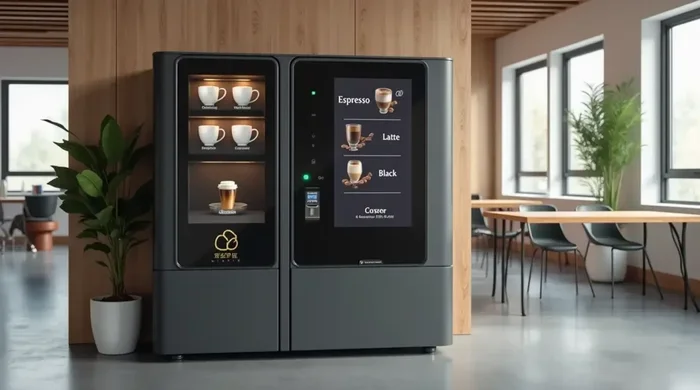
Learn how to make a coffee vending machine easy and fast with our complete step-by-step guide. You will discover the essential parts, tools, and setup needed to build a working machine from scratch. This guide covers everything from selecting components to launching your coffee vending business successfully.
Key Takeaways
- Building a coffee vending machine is simpler than most people think when you follow a clear, structured process.
- You need the right parts like a boiler, grinder, dispenser, and control panel to create a functional machine.
- Choosing the right location is critical to the success of your coffee vending business.
- Regular maintenance keeps your machine running smoothly and reduces costly repairs.
- Starting small is a smart move that lets you test the market before scaling up.
- Understanding your target customers helps you stock the right coffee options and snacks.
📑 Table of Contents
- How To Make A Coffee Vending Machine The Easy Way
- Parts You Need to Build a Coffee Vending Machine
- Tools Required for Building Your Machine
- Step-by-Step Guide to Building Your Coffee Vending Machine
- Setting Up Your Coffee Vending Business
- Maintenance Tips for Long-Lasting Performance
- Common Mistakes to Avoid When Building a Coffee Vending Machine
- Expert Insights on Coffee Vending Machine Success
- Key Takeaways
- Conclusion
How To Make A Coffee Vending Machine The Easy Way
Have you ever thought about building your own coffee vending machine? It sounds like a big project, but it is actually much more doable than you might expect. With the right guidance, you can put together a working machine in just a few days. This guide walks you through every step in plain, simple language.
Whether you want to start a small business or just love the idea of having your own automatic coffee machine, this article has you covered. We will look at the parts you need, the tools required, and the setup process. By the end, you will know exactly how to make a coffee vending machine that works great and looks professional.
The best part? You do not need to be a tech expert. If you can follow basic instructions and use common tools, you can do this. Let us dive in and get started on your coffee machine build journey.
Why Build Your Own Coffee Vending Machine?
There are many reasons people choose to build their own vending machine instead of buying one pre-made. First, it saves a lot of money. Commercial machines can cost thousands of dollars. Building your own lets you spend a fraction of that cost. Second, you get full control over the design. You choose the size, the features, and the coffee options. Third, it is a fun and rewarding project. There is real pride in serving coffee from a machine you built yourself.
Many people also build machines as a side hustle. A coffee vending business can generate steady income, especially in high-traffic areas like offices, schools, and malls. The initial investment is low compared to renting retail space. And once your machine is set up, it can run with minimal daily effort.
Parts You Need to Build a Coffee Vending Machine
Before you start building, you need to gather all the right parts. Having everything ready saves time and prevents frustrating delays. Here is a clear list of the essential coffee machine parts you will need.
Core Components
- Boiler or heating unit – This heats water to the right temperature for brewing. You can use a small commercial boiler or a high-quality immersion heater.
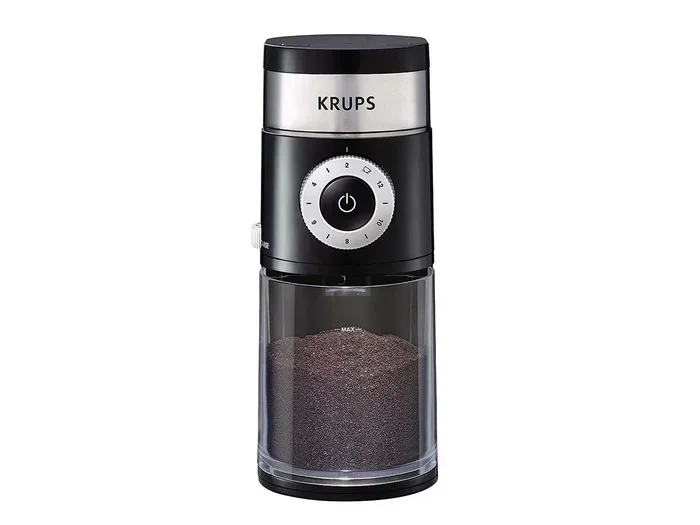
- Coffee grinder – A burr grinder works best for consistent grounds. Some setups use pre-ground coffee to skip this step.
- Water pump – This pushes water through the coffee grounds at the right pressure. A small electric pump does the job well.
- Dispensing nozzle – This controls how much coffee flows into each cup. Look for a nozzle with a flow regulator.
- Control panel – This is the interface users interact with. Simple button panels work great for basic machines.
- Coffee hopper – This holds the ground coffee or pods. Make sure it is large enough for several servings.
- Cup dispenser – This holds and releases single cups automatically. It keeps the process hands-free for users.
Supporting Parts
- Plumbing tubing and fittings – These connect the water supply to the boiler and pump.
- Power supply unit – A reliable power source keeps everything running safely.
- Thermostat – This regulates water temperature for consistent brewing.
- Housing or frame – A sturdy enclosure holds all the parts together neatly.
- Drip tray – This catches spills and keeps the area clean.
You can find most of these parts online or at hardware stores. For a more complete setup, consider looking at a how to use combi oven guide to understand how multi-function kitchen equipment works, since some vending machine components use similar heating technology.
Tools Required for Building Your Machine
You do not need a fancy workshop to build a coffee vending machine. A few basic tools will get the job done. Here is what you need to have on hand before you start.
Essential Tools
- Screwdriver set – Phillips and flathead varieties for assembling the frame and housing.
- Wrench set – For tightening plumbing fittings and connections.
- Drill with bits – Needed for mounting components and making holes in the housing.
- Wire stripper and cutter – For electrical connections and wiring the control panel.
- Teflon tape – Seals threaded pipe connections and prevents leaks.
- Measuring tape – Ensures all parts fit together correctly.
- Soldering iron – Useful for securing electrical connections.
Having these tools ready before you begin makes the whole process much smoother. You will not need to stop mid-project to find a missing tool.
Step-by-Step Guide to Building Your Coffee Vending Machine
Now comes the exciting part, actually building the machine. Follow these steps carefully and you will have a working coffee dispensing machine in no time. Each step is designed to be simple and clear.
Step 1: Design Your Machine Layout
Start by sketching out your machine on paper or using simple design software. Decide where each part will go. The boiler should be at the bottom for stability. The grinder goes near the top for easy bean access. The dispensing nozzle should be at a comfortable height for users. Think about how water flows from the tank through the heater and into the coffee grounds. A good layout reduces plumbing complexity and makes maintenance easier later.
Step 2: Build or Prepare the Housing
The housing is the outer shell of your machine. You can use plywood, metal sheets, or even a repurposed cabinet. Cut the panels to size and assemble them with screws. Make sure to leave openings for the control panel, dispensing nozzle, and cup release slot. The housing should be sturdy enough to support the weight of the boiler and water tank. Sand any rough edges and paint or finish the exterior for a clean look.
Step 3: Install the Boiler and Heating System
Mount the boiler inside the housing according to your layout plan. Connect the water inlet to a reservoir or direct water line. Attach the thermostat to regulate temperature. Most coffee brewing machines work best at temperatures between 195 and 205 degrees Fahrenheit. Use Teflon tape on all threaded connections to prevent leaks. Test the heating system before adding any other components.
Step 4: Set Up the Water Pump and Plumbing
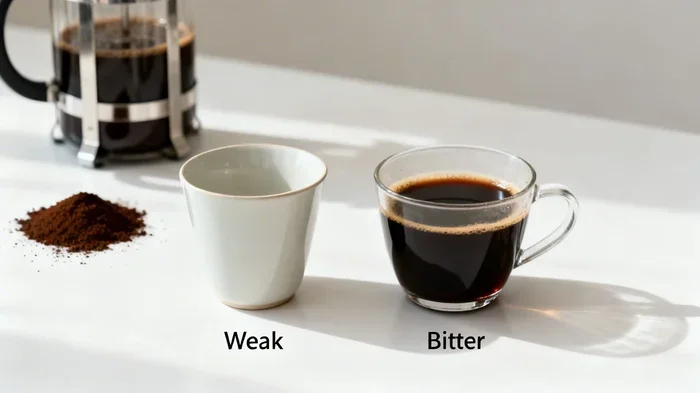
Connect the water pump to the boiler outlet. Run tubing from the pump to the coffee grounds chamber. The pump should provide steady, consistent pressure. Too much pressure can over-extract the coffee and make it bitter. Too little pressure results in weak, watery coffee. Adjust the pump settings to find the sweet spot. This is similar to how making coffee in a microwave oven requires careful attention to time and temperature for the best results.
Step 5: Install the Grinder and Coffee Hopper
Mount the grinder above the coffee chamber. Fill the hopper with whole beans or pre-ground coffee. Connect the grinder output to the brewing chamber using a funnel or chute. Make sure the grounds fall directly onto the extraction area. If you prefer to use coffee pods, install a pod holder instead of a grinder. This simplifies the machine and appeals to users who want convenience.
Step 6: Wire the Control Panel
Connect the control panel to the pump, grinder, and heating system. Use a simple circuit board or pre-made vending machine control kit. Program the buttons for different drink options like espresso, regular coffee, and hot water. Test each function thoroughly before moving on. The control panel is the user-facing part of your machine, so make sure it is responsive and reliable.
Step 7: Install the Cup Dispenser and Drip Tray
Mount the cup dispenser at the dispensing area. It should release one cup at a time when triggered. Place the drip tray underneath to catch any spills. Make sure the cup size matches the nozzle height. A well-designed cup system makes the whole experience smooth for the user.
Step 8: Test Your Machine
Run several test cycles before offering the machine to anyone. Check for leaks, consistent brewing temperature, and proper cup dispensing. Taste the coffee and adjust grind size or water temperature as needed. This testing phase is crucial for dialing in the perfect cup. Do not skip it or rush through it.
Setting Up Your Coffee Vending Business
Once your machine is built and working, it is time to put it to use. A coffee vending business can be very rewarding, but it requires some planning. Here is how to set up for success.
Choosing the Right Location
Location is everything when it comes to vending machines. Look for high-traffic areas where people need a quick coffee fix. Office buildings, shopping centers, hospitals, and schools are all excellent choices. Talk to building managers about placing your machine in their lobby or break room. Make sure the location has access to electricity and a water source if possible.
Stocking Your Machine
Offer a variety of coffee options to appeal to more customers. Include regular coffee, decaf, espresso, and flavored options like vanilla or hazelnut. Consider adding hot chocolate and tea as well. Keep your supply stocked and fresh. Running out of popular items means lost sales. You might also want to stock snacks. Warming up snacks like warming cinnabons in the oven can be a great complement to coffee sales, though for a vending setup you would use the machine’s built-in warming features.
Pricing Your Products
Research what competitors charge in your area. Most coffee vending machines price drinks between 50 cents and 3 dollars. Factor in the cost of supplies, electricity, and maintenance. Start with competitive prices and adjust as you learn what your customers prefer. Offering a small discount for bulk purchases can drive more sales.
Maintenance Tips for Long-Lasting Performance
Your coffee vending machine will last much longer with regular care. Maintenance does not have to be complicated. A little effort goes a long way toward keeping your machine running smoothly and serving great coffee every day.
Daily Maintenance
- Wipe down the exterior and dispensing area to keep things clean.
- Check the drip tray and empty it when full.
- Inspect the cup dispenser for any jams or misalignment.
- Listen for unusual sounds that might indicate a problem.
Weekly Maintenance
- Clean the coffee hopper and grinder to prevent buildup and stale grounds.
- Flush the water system to remove mineral deposits.
- Check all plumbing connections for leaks or loose fittings.
- Wipe down the brewing chamber and remove any coffee residue.
Monthly Maintenance
- Descale the boiler to remove hard water buildup.
- Inspect the thermostat and calibrate if needed.
- Check the power supply and electrical connections for wear.
- Review sales data to identify which drinks are most popular.
Just like reheating food in an oven requires attention to temperature and timing, maintaining your vending machine requires consistent care and attention to detail. Regular maintenance prevents costly breakdowns and keeps your customers happy.
Quick Tips for Machine Care
- Use filtered water to reduce mineral buildup in the boiler.
- Keep spare parts on hand like nozzles, tubing, and thermostats.
- Schedule a deep clean every three months for best performance.
- Train anyone who operates the machine on basic troubleshooting steps.
Common Mistakes to Avoid When Building a Coffee Vending Machine
Even with the best plans, mistakes can happen. Knowing what to avoid saves time, money, and frustration. Here are the most common errors people make when building their own coffee vending machine.
Skipping the Design Phase
Jumping straight into building without a plan is a recipe for disaster. You end up with parts that do not fit and plumbing that leaks. Always start with a clear design and layout. Measure twice, cut once. This old carpenter saying applies perfectly to machine building.
Using Low-Quality Parts
It is tempting to cut costs with cheap components. But low-quality parts fail faster and cause more problems down the road. Invest in reliable parts from reputable suppliers. A good boiler and pump will pay for themselves in years of dependable service.
Ignoring Electrical Safety
Water and electricity are a dangerous combination. Always use proper wiring, fuses, and grounding. If you are not confident about electrical work, hire a licensed electrician to handle the connections. Safety should never be an afterthought.
Underestimating Maintenance Needs
Many people build a great machine but then neglect regular upkeep. This leads to breakdowns, poor-tasting coffee, and lost customers. Build maintenance into your routine from day one. Your machine will thank you for it.
Choosing the Wrong Location
Even the best machine will fail if it is placed in the wrong spot. Avoid low-traffic areas or locations without easy access to power and water. Do your research before committing to a placement. A great location can make all the difference in your machine’s success.
Expert Insights on Coffee Vending Machine Success
Building the machine is only half the battle. Running a successful coffee vending business requires strategy and people skills. Here are some expert insights that can help you thrive.
Start small and scale up. Build one machine first and test it in a real location. See how it performs before investing in more machines. This approach lets you learn from real-world experience without risking too much capital.
Listen to your customers. Pay attention to what people order most. Adjust your stock and offerings based on actual demand. If everyone wants flavored coffee, make sure you always have flavored options available.
Keep your machine looking clean and professional. First impressions matter. A well-maintained, attractive machine draws more customers than a worn-out one. Polish the exterior regularly and make sure the logo or branding is visible.
Consider seasonal offerings. Hot chocolate and flavored lattes sell well in winter. Iced coffee options become popular in summer. Adapting your menu to the seasons keeps customers coming back year-round.
Key Takeaways
- Building a coffee vending machine is achievable with the right parts, tools, and guidance.
- Gather all components first including a boiler, pump, grinder, control panel, and housing.
- Follow the step-by-step building process carefully, from design to testing.
- Location and maintenance are key factors in running a profitable coffee vending business.
- Avoid common mistakes like skipping the design phase or using low-quality parts.
- Start small, learn from experience, and scale up as your confidence and customer base grow.
Conclusion
Learning how to make a coffee vending machine easy and fast is within reach for anyone willing to follow the steps. You now have a complete roadmap from gathering parts to launching your machine. The process involves some effort, but the rewards are well worth it. Whether you are building this as a hobby or a business, the satisfaction of serving coffee from a machine you built yourself is unmatched.
Remember to start with quality parts, follow the building steps carefully, and maintain your machine regularly. Choose a strong location and listen to what your customers want. These simple principles will help your coffee vending machine succeed for years to come. Now that you know the full process, it is time to gather your tools and start building. Your coffee vending journey starts today.
Do not let uncertainty hold you back. Every successful machine started as an idea and a first step. You have the knowledge now, so take action and bring your coffee vending business to life. The world needs great coffee, and you can be the one to deliver it.
Frequently Asked Questions
How much does it cost to build a coffee vending machine?
A basic coffee vending machine can be built for anywhere from 200 to 800 dollars depending on the parts you choose. Commercial-grade machines cost more, but a homemade version is much more affordable. Your total cost depends on the size, features, and quality of components you select.
Can I build a coffee vending machine with no technical experience?
Yes, absolutely. This guide is designed for beginners with no prior technical experience. If you can follow step-by-step instructions and use basic tools, you can build a working machine. Start with a simple design and gradually add features as you gain confidence.
How long does it take to build a coffee vending machine?
Most people can build a basic coffee vending machine in 2 to 5 days. The time depends on your experience level and the complexity of the design. Having all parts ready before you start helps keep the process on schedule.
What kind of coffee works best in a vending machine?
Pre-ground coffee works well for simple machines. For the best flavor, use freshly ground beans with a burr grinder. Espresso blends produce rich, strong coffee, while medium roasts offer a smoother taste. You can also offer flavored coffee options to attract more customers.
Do I need a permit to operate a coffee vending machine?
Permit requirements vary by location and local regulations. Some areas require a business license or food service permit for vending machines. Check with your local city or county office before placing your machine in a public location. Getting the proper permits keeps your business legal and protected.
How do I keep my coffee vending machine clean and sanitary?
Clean the exterior daily and do a deeper clean weekly. Flush the water system regularly and descale the boiler monthly. Use food-safe cleaning products and replace water filters as needed. Keeping the machine clean ensures great-tasting coffee and happy customers.
=== CONCLUSION ===
Building your own coffee vending machine is a practical, rewarding project that anyone can accomplish. You have learned the parts needed, the tools required, and the step-by-step building process. You also understand how to set up your coffee vending business for success and avoid the common mistakes that trip up beginners.
The key is to start now and stay consistent. Follow the maintenance schedule, choose a great location, and always put quality first. Your machine will serve delicious coffee and bring value to everyone who uses it. Take what you have learned from this guide and turn it into action today.