How To Use Coffee Pot Machine For The Perfect Cup Of Coffee
Using a coffee pot machine is easier than you think, and it can transform your morning routine. This guide walks you through every step, from setting up your machine to brewing the perfect cup. You will learn pro tips, common mistakes to avoid, and how to keep your coffee maker running like new.
Key Takeaways
- Right Water Temperature Matters: Using water between 195°F and 205°F extracts the best flavors from your grounds.
- Grind Size Is Key: A medium grind works best for most drip coffee pot machines and prevents over or under extraction.
- Clean Your Machine Regularly: Descaling every 1 to 3 months removes mineral buildup and keeps your coffee tasting fresh.
- Use Fresh, Quality Beans: Grinding beans just before brewing gives you the richest and most flavorful cup.
- Ratio Matters: The golden rule is 1 to 2 tablespoons of coffee per 6 ounces of water for the perfect strength.
- Avoid Common Mistakes: Using pre-ground coffee that is too old or skipping the rinse cycle can ruin your brew.
📑 Table of Contents
- How To Use Coffee Pot Machine For The Perfect Cup Every Morning
- Understanding Your Coffee Pot Machine
- Step By Step Guide To Brewing Coffee
- Choosing The Right Coffee For Your Machine
- Common Mistakes To Avoid
- Tips For The Perfect Cup Every Time
- How To Keep Your Coffee Pot Machine Running Well
- Pairing Coffee With Your Favorite Treats
- When To Consider Alternative Brewing Methods
- Conclusion
How To Use Coffee Pot Machine For The Perfect Cup Every Morning
There is nothing quite like the smell of fresh coffee filling your kitchen in the morning. A coffee pot machine makes this possible every single day without any fuss. Whether you are a complete beginner or someone who has been using the same machine for years, there is always room to improve your brew. This guide will show you exactly how to use a coffee pot machine to get the best cup possible. We will cover setup, brewing, troubleshooting, and maintenance in simple steps.
The beauty of a coffee pot machine lies in its simplicity. You do not need fancy skills or expensive equipment. Just follow a few basic rules, and your coffee will taste dramatically better. Let us dive in and get you brewing.
Understanding Your Coffee Pot Machine
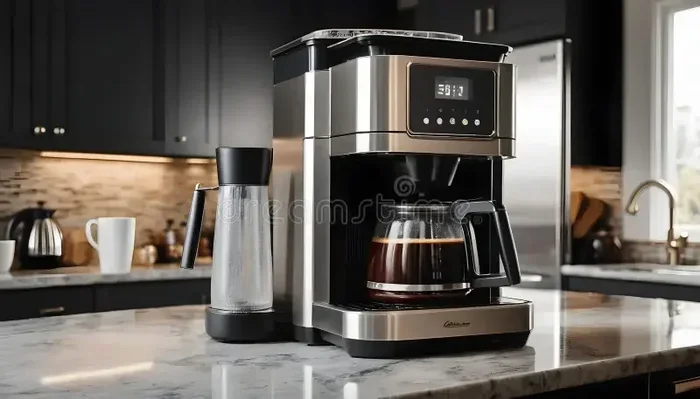
Before you start brewing, it helps to know the basic parts of your machine. Most coffee pot machines share a similar design, even if the brand or model differs. Understanding each component makes the whole process much easier.
The Water Reservoir
This is where you pour the water before brewing. The reservoir usually has measurement markings on the side. These markings tell you how many cups you are brewing. Always use cold, filtered water for the best taste. Hot water from the tap can contain impurities that affect flavor.
The Filter Basket
The filter basket holds the coffee grounds during brewing. You can use paper filters or reusable mesh filters. Paper filters tend to produce a cleaner cup by catching more oils and fine particles. Reusable filters are more eco-friendly and let more natural oils through.
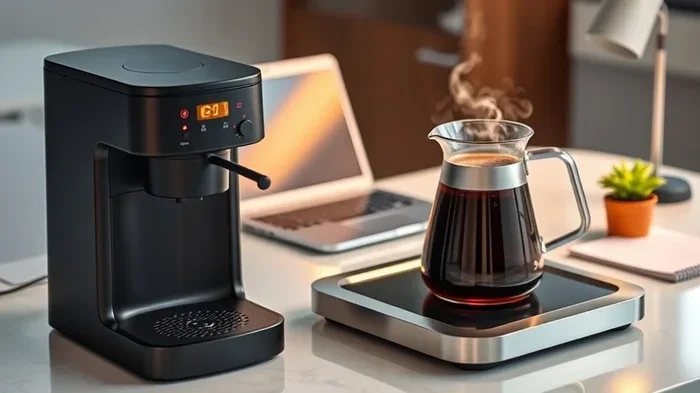
The Carafe or Pot
This is the container that catches the brewed coffee. Most coffee pot machines come with a glass carafe. Some models use thermal carafes that keep coffee hot without a heating plate. The carafe size determines how many cups you can brew at once.
The Heating Element
This part heats the water and pushes it through the grounds. It is the engine of your machine. Over time, mineral deposits can build up on the heating element. This is why regular cleaning matters so much.
Step By Step Guide To Brewing Coffee
Now that you know the parts, let us walk through the actual brewing process. Follow these steps every morning for consistent results.
Step One: Start With Fresh Water
Fill the reservoir with cold water. Use the markings on the carafe or reservoir to measure the right amount. If you want 6 cups of coffee, fill to the 6-cup line. Always start with cold water because the heating element works best that way.
Step Two: Add Your Filter
Place a paper filter or rinse your reusable filter. Put it into the filter basket. If you are using a paper filter, wet it first with a little water. This removes the paper taste and helps the filter sit snugly in place.
Step Three: Measure Your Coffee Grounds
Add the right amount of grounds to the filter. The standard ratio is 1 to 2 tablespoons of coffee per 6 ounces of water. If you like stronger coffee, use 2 tablespoons. For a lighter cup, stick with 1 tablespoon. Use a kitchen scoop for consistency every time.
Step Four: Brew Your Coffee
Place the carafe on the warming plate. Close the lid if your machine has one. Press the start button. The machine will heat the water and drip it through the grounds. This process usually takes 5 to 10 minutes depending on the model and how many cups you are making.
Step Five: Serve and Enjoy
Once brewing is complete, pour your coffee into a mug right away. Coffee left on the warming plate for too long can turn bitter. If you are not drinking right away, pour it into a thermal mug to keep it fresh.
Choosing The Right Coffee For Your Machine
The type of coffee you use makes a huge difference in the final cup. Not all coffee is created equal, and not all types work the same way in a coffee pot machine.
Whole Beans Versus Pre Ground
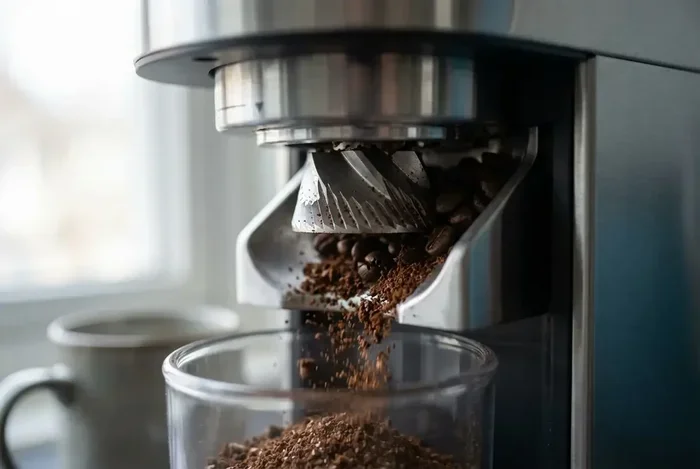
Whole beans are always the best choice. They stay fresh longer and give you more control over the flavor. You need a grinder to break them down before brewing. A medium grind works best for drip coffee pot machines. It is not too fine and not too coarse.
If you buy pre ground coffee, use it within a few weeks of opening the bag. Stale grounds produce flat and boring coffee. Store your coffee in an airtight container away from light and heat.
Coffee Grind Size Guide
- Coarse Grind: Best for French press, not ideal for drip machines
- Medium Grind: Perfect for coffee pot machines and drip brewing
- Fine Grind: Works well for espresso machines, can clog drip filters
Bean Origin And Roast
Light roast beans have more complex flavors and higher acidity. Medium roast offers a balanced taste with moderate acidity. Dark roast gives you a bold and rich cup with less acidity. For a coffee pot machine, medium roast is the most popular choice because it balances flavor and strength well.
Common Mistakes To Avoid
Even experienced coffee drinkers make mistakes that ruin their brew. Here are the most common ones and how to fix them.
Using The Wrong Water Temperature
Water that is too hot will over extract the grounds and make your coffee bitter. Water that is too cold will under extract and produce weak, sour coffee. The ideal temperature is between 195 and 205 degrees Fahrenheit. Most coffee pot machines heat water to the right range automatically, but older models may not.
Using Too Much Or Too Little Coffee
Adding too many grounds clogs the filter and slows down brewing. Too few grounds result in weak, watery coffee. Stick to the 1 to 2 tablespoon rule per 6 ounces of water. Adjust to your taste over time.
Skipping The Cleaning Routine
Oil residue and mineral buildup accumulate inside your machine over time. This affects the taste of your coffee and can even damage the heating element. Clean your machine at least once a month. Run a cycle with equal parts water and white vinegar to descale it thoroughly.
Leaving Coffee On The Warming Plate
The warming plate keeps your coffee hot, but it also causes it to turn bitter over time. Do not leave brewed coffee on the plate for more than 20 to 30 minutes. Pour what you need and store the rest in a thermal carafe.
Not Rinsing The Machine Before First Use
New machines often have a plastic or manufacturing taste. Always run a full cycle with just water before brewing your first real pot. This washes away any residues and prepares the machine for use.
Tips For The Perfect Cup Every Time
Here are some pro tips that will take your coffee to the next level. These small changes make a big difference.
- Weigh Your Coffee: Use a kitchen scale for precise measurements instead of scoops. Consistency is the key to great coffee.
- Preheat Your Carafe: Rinse the carafe with hot water before brewing. This keeps the coffee hotter for longer.
- Use Filtered Water: Tap water contains chlorine and minerals that affect taste. Filtered water produces a cleaner and smoother cup.
- Grind Just Before Brewing: Freshly ground coffee has more aroma and flavor. Invest in a simple burr grinder for the best results.
- Experiment With Ratios: Everyone has different taste preferences. Try adjusting the coffee to water ratio until you find your perfect cup.
If you ever want to try a different brewing method, you can also learn how to make coffee in a microwave oven for quick single servings. It is a great backup method when your coffee pot machine is being cleaned or when you only need one cup.
How To Keep Your Coffee Pot Machine Running Well
A well maintained machine brews better coffee and lasts longer. Here is how to care for your coffee pot machine properly.
Daily Cleaning
After every use, throw away the used filter and grounds. Rinse the filter basket with warm water. Wipe down the outside of the machine with a damp cloth. Empty any leftover water from the reservoir if you are not using the machine for a while.
Weekly Cleaning
Once a week, wash the carafe and filter basket with warm soapy water. Dry them completely before putting them back. Check the water reservoir for any buildup or residue. A quick rinse keeps things fresh and ready for the next morning.
Monthly Descaling
Mineral deposits from water build up inside the machine over time. This is called scaling. It can slow down brewing and affect the taste of your coffee. To descale, fill the reservoir with a 50 50 mix of water and white vinegar. Run a full brew cycle without coffee grounds. Then run two more cycles with just clean water to rinse out the vinegar smell.
Some people also use lemon juice or a commercial descaling solution. Whatever method you choose, descaling regularly keeps your machine in top shape.
Replacing Parts
Filters need replacing after every use if they are paper ones. Mesh filters should be replaced every few months if they become worn or stained. Check your machine manual for specific replacement guidelines. Keeping the right parts on hand saves you from unexpected breakdowns.
Pairing Coffee With Your Favorite Treats
Coffee tastes even better when paired with the right food. The right combination can turn a simple morning into a special experience.
Freshly baked pastries and warm bread go wonderfully with a hot pot of coffee. If you enjoy warming up baked goods, you might want to learn how to heat Cinnabon in the oven for a decadent treat alongside your morning brew. The warm, gooey texture pairs perfectly with a bold cup of drip coffee.
For a savory option, a warm cheese spread or fondue can complement coffee beautifully. If you are exploring cheese options, you can also check out how to warm brie in the oven for an elegant pairing with your coffee. The rich, creamy flavor of melted brie alongside a fresh brew is a delight for any coffee lover.
When To Consider Alternative Brewing Methods
A coffee pot machine is fantastic for everyday brewing, but it is not the only option. Sometimes you might want to try something different.
If you only need one cup and do not want to brew a full pot, a single serve machine or a French press might work better. For those who enjoy a stronger and more concentrated cup, an espresso machine gives you that bold shot. And on busy mornings when you want a quick cup without waiting, a microwave method can save you time.
The good news is that you do not have to choose just one. Many coffee lovers keep a coffee pot machine for daily use and explore other methods on the weekends. The key is finding what works best for your lifestyle and taste preferences.
Conclusion
Using a coffee pot machine the right way is simpler than most people think. Start with fresh, quality beans and grind them just before brewing. Use the right water temperature and the correct coffee to water ratio. Clean your machine regularly and never leave coffee sitting on the warming plate too long. These small habits add up to a dramatically better cup every single morning.
Now that you know how to get the most out of your coffee pot machine, it is time to put these tips into action. Try one or two new techniques today and taste the difference. Great coffee does not require expensive equipment. It just requires the right knowledge and a little bit of care. Happy brewing.
Frequently Asked Questions
What is the best water temperature for a coffee pot machine?
The ideal water temperature ranges between 195 and 205 degrees Fahrenheit. Most modern coffee pot machines heat water to this range automatically. If your machine does not have temperature control, using fresh cold water from the tap will still produce good results since the internal heating element brings it to the right temperature.
How often should I clean my coffee pot machine?
You should do a quick daily rinse after every use and a deeper weekly clean with warm soapy water. Monthly descaling with vinegar and water removes mineral buildup that affects taste and performance. Following this simple schedule keeps your machine running smoothly and your coffee tasting fresh.
Can I use regular ground coffee in a coffee pot machine?
Yes, you can use regular pre ground coffee in a coffee pot machine. However, for the best flavor, use a medium grind and brew within two to three weeks of opening the bag. Freshly ground beans always produce a richer and more aromatic cup compared to coffee that has been sitting on the shelf for months.
Why does my coffee taste bitter?
Bitter coffee usually means the water was too hot or the coffee grounds were too fine for your machine. It can also happen if the coffee sat on the warming plate too long. Try adjusting the water temperature, using a coarser grind, or pouring your coffee into a thermal mug right after brewing to prevent bitterness.
How much coffee should I use per cup?
The standard ratio is 1 to 2 tablespoons of coffee grounds per 6 ounces of water. Start with 1 tablespoon for a lighter cup and increase to 2 tablespoons if you prefer a stronger brew. Adjust the amount based on your personal taste and the strength of the coffee beans you are using.
Can I leave my coffee pot machine on overnight?
It is not recommended to leave your coffee pot machine on overnight. The warming plate can dry out the remaining coffee and create a burnt taste. It also uses unnecessary electricity and can be a safety hazard. Always turn off the machine after use and store any leftover coffee in a separate thermal container.