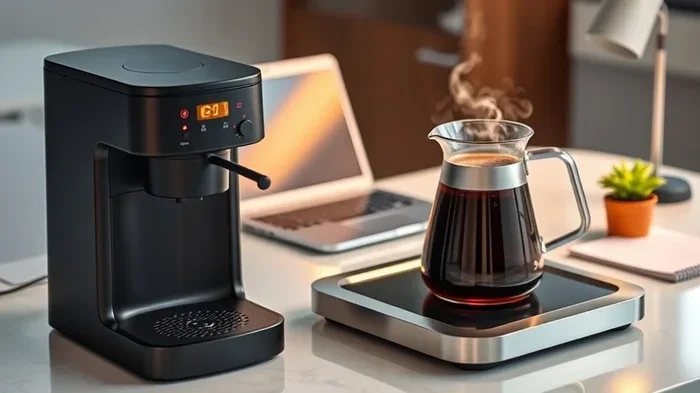
How To Use Coffee Maker In Office And Brew Great Coffee
Learning how to use a coffee maker in the office is easier than you think. This guide walks you through every step, from choosing the right machine to brewing the perfect cup in your workplace. You will save time, money, and enjoy better coffee at work.
Office mornings can feel chaotic. You walk in, settle at your desk, and that first sip of coffee makes everything better. But if you rely on the office coffee maker, you know it is not always smooth sailing. Leaks, weak brews, and mystery grime can turn your morning ritual into a headache.
This guide solves all of that. We will walk you through how to use a coffee maker in the office the right way. Whether your office has a sleek pod machine or an old drip brewer, you will learn practical steps to get great coffee every single morning. We also cover cleaning, troubleshooting, and office coffee etiquette so you become the office coffee hero.
By the end of this guide, you will feel confident using any office coffee machine. You will know exactly what to do, what to avoid, and how to make your daily brew taste amazing. Let us get started.
Key Takeaways
- Choose the right type: Single-serve pod machines and drip coffee makers are the top picks for office use.
- Use fresh, cold water and proper grind size: These two factors make a huge difference in taste.
- Clean your machine regularly: A quick weekly rinse keeps your office coffee maker running smoothly and tasting great.
- Follow the right water-to-coffee ratio: About two tablespoons of grounds per six ounces of water is the sweet spot.
- Practice good office coffee etiquette: Clean up after yourself, label your mug, and respect shared kitchen spaces.
- Consider a thermal carafe: It keeps coffee hot longer without the burnt taste that hot plates cause.
- Experiment with settings: Adjusting brew strength and temperature can transform your office coffee experience.
📑 Table of Contents
- Why A Good Office Coffee Setup Matters
- Choosing The Right Coffee Maker For Your Office
- Step-By-Step Guide To Brewing Office Coffee
- Office Coffee Maker Maintenance And Cleaning
- Troubleshooting Common Office Coffee Maker Problems
- Office Coffee Etiquette And Best Practices
- Quick Tips For Perfect Office Coffee Every Morning
- Expert Insights On Workplace Brewing
- Conclusion
Why A Good Office Coffee Setup Matters
Coffee is more than a drink for most workers. It is a morning ritual, a mid-afternoon pick-me-up, and a reason to take a real break. When your office coffee setup works well, everyone benefits. Productivity goes up. Morale improves. People stay hydrated and focused.
On the flip side, bad office coffee kills motivation. That burnt, lukewarm, or watery cup makes people dread the morning. It also leads to expensive trips to the café down the street. A well-maintained office coffee maker fixes all of this. It saves money. It saves time. And it gives you a better cup than most drive-through windows.
Many offices use shared machines that nobody takes care of. The result is stale coffee, mineral buildup, and funky tastes. Learning how to use and care for your brew coffee at work machine properly changes everything. You do not need to be a barista. You just need a few simple habits.
Choosing The Right Coffee Maker For Your Office
Not all coffee makers are created equal. The best one for your office depends on your space, budget, and how many people need coffee each morning. Let us look at the most common options found in workplace kitchens.
Drip Coffee Makers
Drip coffee makers are the classic choice for offices. They brew multiple cups at once, which is perfect for busy mornings. You fill the reservoir with water, add a filter and grounds, and press start. The machine does the rest.
These machines work well for medium to large offices. They are affordable and easy to use. The key is using the right coffee grind size. A medium grind works best for drip machines. Too fine and the coffee gets bitter. Too coarse and it tastes weak.
Single-Serve Pod Machines
Pod machines like Keurig or Nespresso have become hugely popular in offices. They are fast, simple, and make one perfect cup at a time. You pop in a pod, press a button, and your coffee is ready in under a minute.
The downside is cost per cup. Pods can add up, especially in larger offices. But for smaller teams or individual desks, they are hard to beat. They also require very little cleanup. Just toss the used pod and rinse the tray.
French Press And Pour-Over Options
Some offices prefer manual brewing methods. A French press gives you rich, full-bodied coffee with minimal equipment. Pour-over setups offer more control over the brewing process. Both options require a bit more effort but reward you with excellent flavor.
These methods work best in smaller offices where one or two people handle the brewing. They also look great in stylish office kitchens. The trade-off is time and cleanup. You need to grind the beans, steep the right amount of time, and clean the equipment afterward.
Comparison Table: Office Coffee Maker Types
| Type | Best For | Brew Time | Cost Per Cup | Cleanup Level |
|---|---|---|---|---|
| Drip Coffee Maker | Medium to large offices | 5-10 minutes | Low | Easy |
| Single-Serve Pod Machine | Small offices or individual use | 1-2 minutes | Medium to High | Very Easy |
| French Press | Small teams who love bold coffee | 4 minutes steeping | Low | Moderate |
| Pour-Over | Coffee enthusiasts | 3-5 minutes | Low | Moderate |
Step-By-Step Guide To Brewing Office Coffee
Now that you know which machine works best, let us walk through the actual brewing process. Follow these steps whether you use a drip machine, pod brewer, or French press.
Step 1: Start With Fresh, Cold Water
Always use fresh, cold water for your brew. Hot water from the tap can taste flat or carry mineral flavors. Fill the reservoir with cold, filtered water if your office has a filter. If not, bottled water works great too.
The water temperature for coffee matters a lot. The ideal range is between 195 and 205 degrees Fahrenheit. Most drip machines hit this range automatically. If you are using a manual method, boil the water and let it sit for 30 seconds before pouring.
Step 2: Measure Your Coffee Grounds
Getting the ratio right is the single biggest factor in taste. The standard rule is two tablespoons of ground coffee for every six ounces of water. Adjust to your preference from there.
For stronger coffee, add an extra tablespoon per cup. For lighter coffee, use a little less. The coffee brewing temperature and ratio work together. Get both right and your cup will taste balanced and smooth.
Step 3: Brew And Wait
Once you have water and grounds ready, start the brew cycle. Do not rush it. A good drip machine takes about five to ten minutes for a full pot. Pod machines are faster at one to two minutes per cup.
Resist the urge to pour the first cup too early. The initial brew often tastes weaker. Let the cycle finish completely for the most consistent flavor. If your machine has a strength setting, try the bold option for richer results.
Step 4: Serve And Enjoy
Pour your coffee into a clean mug right away. If your office coffee maker has a hot plate, do not leave the pot sitting on it for more than 20 minutes. The heat breaks down the flavor and makes coffee taste burnt.
A better option is using a thermal carafe. It keeps coffee hot for hours without affecting the taste. If your office machine does not have one, consider bringing a travel mug. It keeps your coffee at the perfect temperature through your morning meeting.
Office Coffee Maker Maintenance And Cleaning
Regular cleaning is the most overlooked part of using an office coffee maker. A dirty machine produces bad-tasting coffee and can even harbor bacteria. The good news is cleaning takes only a few minutes each week.
Daily Cleaning Routine
After each use, throw away the used filter or pod. Rinse the carafe with warm water and a drop of dish soap. Wipe down the drip tray and any spilled grounds. This quick habit keeps your machine in great shape.
Never leave wet coffee grounds sitting in the machine overnight. They can grow mold and create unpleasant odors. A quick rinse before you leave for the day goes a long way.
Weekly Deep Clean
Once a week, do a deeper clean. Remove the filter basket and wash it with warm soapy water. Soak the carafe in a mixture of baking soda and warm water to remove coffee stains. Wipe down the exterior and any removable parts.
For drip machines, run a cycle with equal parts water and white vinegar. This removes mineral buildup inside the machine. Follow it up with two to three cycles of plain water to rinse out any vinegar taste. Your office coffee maker will taste noticeably better after this treatment.
Monthly Descaling
If your office has hard water, descale the machine once a month. Mineral deposits build up inside the heating element and can slow down brewing. Use a commercial descaling solution or the vinegar method mentioned above. This keeps your machine running efficiently for years.
Replacing Filters And Parts
Check your user manual for filter replacement schedules. Most paper filters are single-use and should be replaced every brew cycle. Permanent mesh filters should be rinsed after each use and replaced every three to six months. Keeping fresh filters on hand in the office kitchen helps everyone.
Troubleshooting Common Office Coffee Maker Problems
Even the best machines act up sometimes. Here are the most common issues you will face with an office coffee machine and how to fix them quickly.
Coffee Tastes Weak Or Watery
This usually means the grounds are too coarse or you used too little coffee. Try grinding finer or adding more grounds next time. Also check that your machine is brewing at the right temperature. If the water passes through too quickly, it does not extract enough flavor.
Coffee Tastes Bitter Or Burnt
Bitter coffee often comes from over-extraction. The grind might be too fine, or the brew time too long. It can also happen when coffee sits on a hot plate for too long. Switch to a thermal carafe or pour your cup immediately after brewing.
Machine Is Leaking Or Dripping
Check the water reservoir first. Make sure it is seated properly and not overfilled. A cracked carafe or loose valve can also cause leaks. If the problem persists, report it to your office manager or facilities team. Do not try to repair a shared machine yourself.
Machine Makes Strange Noises
Gurgling and bubbling sounds are usually normal during brewing. Loud grinding or grinding noises may mean mineral buildup in the heating element. Run a vinegar cycle to clear it out. If the noise continues, the machine may need professional servicing.
Office Coffee Etiquette And Best Practices
Using a shared coffee maker in the office comes with unwritten rules. Following these keeps the kitchen harmonious and ensures everyone gets great coffee.
Clean Up After Yourself
This is the golden rule of office coffee. Always dispose of used pods and filters properly. Rinse the carafe and put it back in its spot. Wipe any spills on the counter or drip tray. Leaving a mess for the next person is a quick way to lose office friends.
Label Your Mug And Don’t Steal
Labeling your mug prevents mix-ups and keeps your workspace hygienic. Never drink from someone else’s mug, even if it looks like yours. This is one of the most important pieces of workplace coffee etiquette.
Restock When You Run Low
If you empty the last of the coffee grounds or pods, replace them. It is a small gesture that earns huge goodwill in the office kitchen. Keep a spare bag of grounds or a few extra pods in the cabinet for emergencies.
Respect The Machine
Do not use the machine for anything other than its intended purpose. Do not put mugs that are too large under the dispenser. Do not force the pod holder closed. Treating the machine with care extends its life and keeps it brewing well for everyone.
For those who also enjoy tea or hot water, some pod machines offer hot water settings. This is a nice bonus that makes the machine more versatile for the whole office. Just make sure to clean the nozzle after each use to prevent buildup.
Quick Tips For Perfect Office Coffee Every Morning
- Use room temperature mugs: Cold mugs cool your coffee down fast and make it taste flat. Warm your mug with hot water first.
- Grind beans just before brewing: Freshly ground coffee has more flavor and aroma than pre-ground options.
- Store coffee properly: Keep office coffee beans or grounds in an airtight container away from light and heat.
- Don’t open the lid too early: Let the machine finish brewing before you remove the carafe lid. This helps the coffee stay hot and flavorful.
- Add cream or milk after brewing: Adding dairy during the brew can alter the extraction and change the flavor.
- Try different coffee origins: Switching between light, medium, and dark roasts keeps your morning routine interesting.
Small tweaks make a big difference. The difference between a good cup and a great cup often comes down to these tiny details. Once you build these habits, your morning coffee at work will never be the same.
Expert Insights On Workplace Brewing
Coffee professionals agree that the biggest mistake office workers make is ignoring water quality. Since coffee is about 98 percent water, the water you use directly impacts the taste. If your office tap water tastes chlorinated or hard, use a filtered water pitcher or bottled water for brewing.
Another expert tip is to pay attention to your coffee grind size. Pre-ground coffee loses freshness fast. If your office has a small grinder, whole bean coffee will always taste better. Even a basic blade grinder makes a noticeable difference compared to pre-ground options.
Finally, do not underestimate the power of the right accessories. A simple milk frother, a set of quality mugs, and a small container for coffee beans can transform your office coffee experience. These small investments pay off in better flavor and more enjoyment every single morning.
While most of us focus on the coffee maker itself, it is worth noting that some office workers also use alternative methods. For instance, some people prefer to make coffee in a microwave oven when the main machine is broken or unavailable. This is a handy backup skill to have. Just heat water in a microwave-safe mug, add your grounds, stir, let it sit for a few minutes, and enjoy.
Conclusion
Using a coffee maker in the office does not have to be complicated. With the right machine, the proper technique, and a little regular maintenance, you can enjoy excellent coffee every morning. Start by choosing the type of machine that fits your office. Follow the brewing steps carefully. Clean the machine regularly. And always practice good coffee etiquette in shared spaces.
The difference between a forgettable cup and a great cup is in the details. Water quality, grind size, ratio, and timing all matter. Once you master these basics, you will never go back to bad office coffee again. Share these tips with your coworkers and watch everyone’s morning improve.
Remember, your office coffee setup is only as good as the care you put into it. Treat your coffee maker in office well, and it will reward you with perfect cups day after day. Now go brew something great.
Frequently Asked Questions
What type of coffee maker is best for a small office?
A single-serve pod machine is ideal for small offices with one to five coffee drinkers. They are fast, easy to use, and require almost no cleanup. If your team prefers regular drip coffee, a compact drip machine with a 12-cup capacity works well too.
How often should I clean the office coffee maker?
Do a quick daily rinse after each use. Perform a deeper clean once a week, including washing removable parts and running a vinegar cycle. Monthly descaling is recommended, especially if your office has hard water.
Can I use regular ground coffee in an office pod machine?
Most pod machines are designed for single-use pods. However, some models come with reusable pods that let you use your own ground coffee. Check your machine’s manual to see if this option is available for your model.
Why does my office coffee always taste bitter?
Bitter coffee usually means over-extraction. This happens when the grind is too fine, the water temperature is too high, or the coffee sits on a hot plate too long. Try using a coarser grind, pouring immediately after brewing, and switching to a thermal carafe.
What is the best water temperature for brewing coffee in an office?
The ideal water temperature is between 195 and 205 degrees Fahrenheit. Most automatic drip coffee makers maintain this range. If you are using a manual method, boil water and let it cool for 30 seconds before pouring over the grounds.
How can I improve office coffee without buying a new machine?
Start by using fresh, cold filtered water and proper coffee-to-water ratios. Clean the machine thoroughly and use the correct grind size. Store coffee beans properly and grind them just before brewing. These simple changes can dramatically improve taste without any new equipment.
=== INTERNAL LINKS ===
If you want to explore alternative coffee methods, check out our guide on how to make coffee in a microwave oven for quick backup brewing tips.
For those who also deal with office lunches, you might find our article on how to warm up cold pizza in the oven helpful for reheating leftover meals.
Office kitchens are versatile spaces. If you ever need to warm up treats like Cinnabon in the oven, our guide covers the right temperature and timing for perfect results every time.