How Long To Bake Potatoes At 375 In Oven Made Easy
Baking potatoes at 375°F is one of the best ways to get crispy skin and fluffy insides. Most potatoes take 45 to 60 minutes depending on size. This guide covers everything from prep to serving so you can bake potatoes like a pro.
There are few things in life as satisfying as a perfectly baked potato. The crispy golden skin gives way to a soft fluffy interior, and it pairs with almost any topping you can imagine. But here is the thing — getting it right takes a little know-how. Many people wonder how long to bake potatoes at 375 in oven and whether the time changes based on potato size or type. This guide answers all of those questions and more. You will learn the exact timing, the best preparation steps, and plenty of tips that make a real difference.
Baking potatoes at 375°F is one of the most popular methods home cooks use. It strikes a great balance between getting the skin crispy and cooking the inside all the way through. Whether you are making a simple dinner side or preparing oven-baked potatoes for a crowd, this temperature works beautifully. Let us dive into everything you need to know about potato bake success.
Key Takeaways
- 45 to 60 minutes is the standard baking time for potatoes at 375°F.
- Russet potatoes work best because their high starch content creates fluffy insides.
- Wrapping in foil speeds up cooking but keeps the skin softer.
- A fork test is the easiest way to check if your potatoes are done.
- Seasoning before baking adds flavor and helps the skin crisp up.
- Resting the potatoes for 5 minutes after baking improves texture.
- Oven temperature matters — always preheat before placing potatoes inside.
📑 Table of Contents
- Why 375°F Is the Sweet Spot for Baking Potatoes
- How Long to Bake Potatoes at 375 in Oven
- Step-by-Step Guide to Perfect Oven-Baked Potatoes
- Tips for Crispy Skin and Fluffy Insides
- Common Mistakes People Make When Baking Potatoes
- How to Tell When Your Potatoes Are Done
- Serving Ideas and Toppings for Baked Potatoes
- Storing and Reheating Leftover Baked Potatoes
- Frequently Asked Questions
- Final Thoughts
Why 375°F Is the Sweet Spot for Baking Potatoes
You might wonder why 375°F gets so much attention. The truth is this temperature hits a sweet spot for several reasons. It is hot enough to crisp up the skin nicely but not so hot that the outside burns before the inside cooks. Many oven-baked potato recipes use this temperature because it delivers consistent results.
At lower temperatures like 350°F, the potato takes much longer to bake. At higher temperatures like 425°F, the skin can burn while the center stays hard. 375°F gives you the best of both worlds. The potato cooking time falls in a manageable range, and the texture comes out just right every time.
The Science Behind Baking Potatoes
When you bake a potato, the heat breaks down starches inside the flesh. This process is called gelatinization. It is what makes the inside soft and fluffy. The skin crisps up because the heat evaporates moisture from the surface. At 375°F, this happens at a steady pace. The potato cooks evenly from edge to center without any hot spots or uneven browning.
Another factor is the potato interior temperature. When the inside reaches about 210°F, the potato is fully cooked. At 375°F oven temperature, it takes roughly 45 to 60 minutes for a medium potato to reach that target. This is why so many home cooks trust this temperature for their baked potato recipe needs.
How Long to Bake Potatoes at 375 in Oven
This is the big question, and the answer depends on a few factors. The size of the potato matters the most. A small potato will cook faster than a large one. The type of potato also plays a role. Russet potatoes are the go-to choice for baking because they have a high starch content. That starch creates that fluffy texture everyone loves.
Here is a general breakdown of baking time at 375 based on potato size:
- Small potatoes (2-3 inches): 30 to 40 minutes
- Medium potatoes (4-5 inches): 45 to 55 minutes
- Large potatoes (5-6 inches): 55 to 65 minutes
- Extra-large potatoes (over 6 inches): 60 to 75 minutes
These times assume you are baking potatoes without foil. If you wrap them in aluminum foil, add about 10 to 15 minutes to the total time. Foil traps heat and steam, which speeds up cooking but keeps the skin softer. Many people prefer the crispier skin that comes from baking without foil.
Factors That Affect Baking Time
Several things can change how long your potatoes take to bake. Understanding these factors helps you plan better and avoid undercooked or overcooked results.
Potato size and shape. Oddly shaped potatoes or ones with thick ends take longer to cook evenly. Try to pick potatoes that are roughly the same size if you are baking a batch.
Oven accuracy. Not all ovens run at the exact temperature they display. An oven thermometer can help you verify your oven’s true temperature. This small tool makes a big difference in oven-baked potatoes timing.
Starting temperature. A cold potato straight from the fridge takes longer than one that sits at room temperature for 15 to 20 minutes before baking. Letting them warm up slightly helps them cook more evenly.
Altitude. If you live at a high altitude, water boils at a lower temperature. This can slightly increase your potato bake time. High-altitude bakers may need to add 5 to 10 extra minutes.
Step-by-Step Guide to Perfect Oven-Baked Potatoes
Now that you know the timing, let us walk through the process step by step. Following these steps gives you the best results every time you make oven-baked potatoes.
Step 1: Choose the Right Potatoes
Russet potatoes are the classic choice for baking. They have thick skin and high starch content, which creates a fluffy interior. You can also use Yukon Gold or fingerling potatoes, but the texture will be slightly different. Yukon Golds tend to be creamier, while fingerlings stay a bit firmer.
When selecting potatoes, look for firm ones without green spots or sprouts. Green spots contain solanine, a compound that tastes bitter and can cause stomach upset. Avoid potatoes with soft spots or wrinkled skin too.
Step 2: Prep the Potatoes
Start by washing the potatoes thoroughly under running water. Use a vegetable brush to scrub off any dirt. Pat them dry with a clean towel. Next, use a fork to poke several holes into each potato. This step is essential because it allows steam to escape during baking. Without these holes, the potato can burst in the oven.
Some people like to rub the outside with olive oil or melted butter at this stage. This helps the skin crisp up and adds flavor. A light sprinkle of salt on the outside also works wonders for crispy potato skin.
Step 3: Preheat the Oven
Always preheat your oven to 375°F before placing the potatoes inside. Preheating ensures the oven reaches the right temperature so your potatoes start cooking immediately. A good rule of thumb is to preheat for at least 10 to 15 minutes.
Place a baking sheet on the middle rack of the oven. You can line it with parchment paper or aluminum foil for easier cleanup. The baking sheet catches any drips and keeps your oven clean.
Step 4: Bake the Potatoes
Place the prepared potatoes directly on the baking sheet. Leave space between each potato so air can circulate freely. Good airflow helps the skin crisp up evenly. If you are baking a large batch, you may need to use two sheets or bake in two rounds.
Set your timer for the appropriate time based on potato size. For medium russet potatoes, start checking at the 45-minute mark. Use a fork or knife to test doneness. The potato should slide in easily with no resistance. If it feels hard in the center, keep baking for another 10 to 15 minutes.
Step 5: Rest and Serve
Once the potatoes are done, take them out of the oven and let them rest for 5 minutes. This brief resting period allows the inside to settle and become fluffier. It also makes them easier to handle.
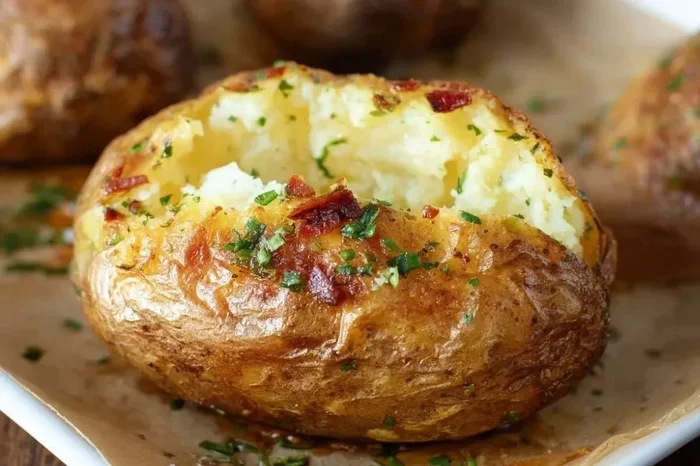
To serve, cut a cross into the top of each potato and squeeze the ends gently. The flesh will open up like a fluffy cloud. Add your favorite toppings and enjoy.
Tips for Crispy Skin and Fluffy Insides
Getting the perfect balance of crispy skin and fluffy interior is the goal of every baked potato recipe. These tips help you nail it consistently.
- Do not skip the fork-poking step. Steam needs an escape route. Without it, the skin gets soggy instead of crispy.
- Rub oil or butter on the skin. Fat helps conduct heat evenly and promotes browning. This is a simple trick that makes a noticeable difference.
- Salt the outside generously. Salt draws out moisture from the skin surface, which helps it crisp up faster.
- Bake on a wire rack if possible. A wire rack allows air to flow underneath the potato, which crisps all sides evenly.
- Avoid wrapping in foil if you want crispy skin. Foil traps steam and keeps the skin soft. If you prefer crispy skin, bake unwrapped.
- Let potatoes come to room temperature first. This small step reduces uneven cooking and shaves a few minutes off the total potato cooking time.
Quick Tips for Better Potato Baking
Here are some quick tips that experienced bakers swear by:
Soak cut potatoes in cold water. If you are making potato wedges instead of whole potatoes, soaking them for 30 minutes removes excess starch. This leads to crispier results when they bake.
Use convection mode if your oven has it. Convection circulates hot air more efficiently, which can reduce baking time by about 10 to 15 percent. Keep an eye on them since they may cook faster.
Season after baking for the best flavor. While some people season before baking, adding salt and herbs after the potato is done prevents the skin from becoming too salty or burning.
Check the internal temperature. A meat thermometer inserted into the center should read 210°F for a fully baked potato. This is the most accurate way to know your oven-baked potatoes are done.
Common Mistakes People Make When Baking Potatoes
Even experienced cooks sometimes make mistakes that affect the final result. Knowing what to avoid saves time and frustration.
Skipping the Preheat
Putting potatoes in a cold oven is one of the most common mistakes. The potato starts cooking slowly at a lower temperature, which leads to uneven results. The outside may overcook while the inside stays hard. Always preheat to 375°F before placing your potatoes inside.
Using Potatoes That Are Too Similar in Size
Wait — that sounds backwards. The real mistake is baking potatoes of very different sizes together. A small potato and a large potato will not finish at the same time. Sort your potatoes by size before placing them on the baking sheet. This ensures even baking time at 375 for every potato.
Overlooking the Fork-Poke Step
Skipping the fork-poke step might seem harmless, but it can lead to a messy situation. Steam builds up inside the potato with nowhere to go. The result is a potato that bursts open in your oven, leaving a mess to clean up. Take the 30 seconds to poke holes. It is well worth the effort.
Opening the Oven Door Too Often
Every time you open the oven door, heat escapes. This drops the oven temperature and can increase your total potato bake time. Resist the urge to check on them constantly. Trust your timer and only open the door when it is time to test for doneness.
Not Letting Potatoes Rest After Baking
Taking potatoes straight from the oven to the plate might feel efficient, but skipping the rest period affects texture. The inside continues to cook slightly as it rests, and the moisture redistributes. Five minutes of resting makes a noticeable difference in fluffiness.
How to Tell When Your Potatoes Are Done
Knowing when your golden brown potatoes are ready is an important skill. There are several reliable ways to check.
The fork test is the simplest method. Insert a fork or knife into the center of the potato. If it slides in smoothly with no resistance, the potato is done. If it meets any hard spots, it needs more time.
The squeeze test works well too. Using oven mitts, gently squeeze the potato from end to end. A done potato will feel soft and give slightly. If it feels firm or hard, keep baking.
The internal temperature test is the most accurate. Insert a meat thermometer into the thickest part of the potato. When it reads 210°F, your russet baking is complete. Temperatures between 205°F and 210°F are ideal for the perfect fluffy texture.
You can also look for visual cues. The skin should appear wrinkled and crispy potato skin should be golden brown. If the potato looks pale and smooth, it likely needs more time in the oven.
Serving Ideas and Toppings for Baked Potatoes
A perfectly baked potato is delicious on its own, but toppings take it to the next level. Here are some popular ideas to try with your oven-baked potatoes:
- Classic butter and sour cream with chopped chives
- Cheese and bacon bits with a drizzle of ranch
- Broccoli and cheese sauce for a heartier meal
- Chili and shredded cheese for a loaded baked potato
- Steamed vegetables with olive oil and garlic
- Pulled pork or shredded chicken for a protein-packed option
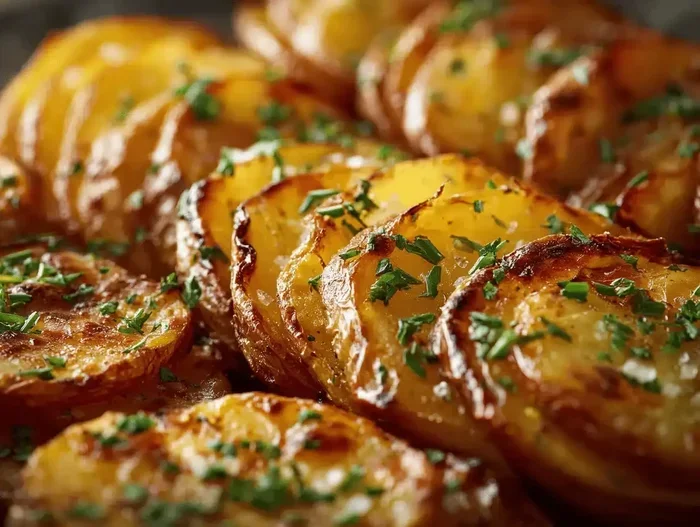
The beauty of a baked potato is its versatility. You can make it a light side dish or turn it into a full meal. For potato wedges, cut the baked potato into wedges and serve with dipping sauces. They make great appetizers or side dishes for any occasion.
Storing and Reheating Leftover Baked Potatoes
If you have leftover oven-baked potatoes, storing them properly keeps them fresh for later. Let the potatoes cool to room temperature before storing. Place them in an airtight container and refrigerate within two hours. Properly stored baked potatoes last 3 to 5 days in the fridge.
To reheat, place the potato back on a baking sheet and warm it at 350°F for 10 to 15 minutes. You can also microwave it, but the skin will lose some of its crispiness. For the best results, reheat in the oven to maintain that crispy potato skin.
Do not freeze whole baked potatoes if you can avoid it. The texture changes significantly after freezing and thawing. If you must freeze them, wrap them tightly in plastic wrap and foil, and use them within one month.
Frequently Asked Questions
Can I bake potatoes at 375°F without poking holes in them?
You can, but it is not recommended. Poking holes allows steam to escape during baking. Without these holes, steam builds up inside the potato and can cause it to burst in the oven. It also leads to a less even cook and sometimes soggy skin. The fork-poke step takes just a few seconds and makes a big difference in your baked potato recipe results.
Is it better to bake potatoes with or without foil?
It depends on your preference. Baking without foil gives you crispier skin because the steam escapes freely. Wrapping in aluminum foil traps steam and speeds up cooking, but the skin stays softer. If you love crispy skin, skip the foil. If you want faster cooking and softer skin, wrap the potatoes in foil before placing them in the oven.
How do I know if my potato is fully cooked inside?
The best way to check is the fork test. Insert a fork or thin knife into the center of the potato. If it goes in smoothly with no resistance, the potato is done. You can also use a meat thermometer. The potato interior temperature should read 210°F for perfectly fluffy results. Another sign is that the potato gives slightly when you squeeze it gently with oven mitts.
Can I bake other vegetables alongside my potatoes?
Yes, you absolutely can. Vegetables like carrots, onions, bell peppers, and broccoli roast beautifully alongside oven-baked potatoes at 375°F. Just make sure the vegetables are cut into similar-sized pieces so they cook at the same rate. Add vegetables that cook faster in the last 15 minutes of baking to prevent them from getting too soft.
Why is my baked potato skin not crispy?
Several factors can lead to soggy skin. Not poking holes in the potato traps steam inside. Skipping the oil or butter rub means the skin lacks fat, which is essential for crisping. Baking on a wet surface or covering with foil also prevents the skin from becoming crispy. Make sure your oven is fully preheated and the potatoes are dry before baking. For the crispiest results, bake unwrapped on a dry baking sheet.
How long do baked potatoes last in the fridge?
Properly stored baked potatoes last 3 to 5 days in the refrigerator. Always let them cool to room temperature before placing them in an airtight container. Avoid leaving them out for more than two hours, as this enters the danger zone for bacterial growth. When reheating, use the oven at 350°F to keep the skin crispy and the inside fluffy.
Final Thoughts
Baking potatoes at 375°F is one of the simplest and most satisfying things you can do in the kitchen. The how long to bake potatoes at 375 in oven question has a clear answer: 45 to 60 minutes for most medium-sized potatoes. Once you understand the factors that affect timing — potato size, whether you use foil, and your oven’s accuracy — you can adjust with confidence every time.
The steps are easy to follow. Choose the right potatoes, prep them well, preheat your oven, and bake until they pass the fork test. A few simple tips like rubbing oil on the skin and salting generously take your oven-baked potatoes from good to great. Avoiding common mistakes like skipping the preheat or forgetting to poke holes saves you time and frustration.
Potato bake perfection is within your reach. The next time you are planning a meal and want a reliable side dish or a hearty main course, remember what you have learned here. With the right temperature, timing, and a little attention, you will serve up golden brown potatoes with crispy skin and fluffy insides that everyone will love. So preheat that oven, grab some russets, and get baking. Your perfect potato is just 45 minutes away.