Can Too Much Coffee Make You Sick and Feel Terrible
Yes, too much coffee can definitely make you sick and feel terrible. Drinking excessive coffee leads to caffeine overdose symptoms like nausea, anxiety, heart palpitations, and severe headaches. Understanding your daily caffeine limit and recognizing the warning signs of coffee sickness can help you enjoy your favorite brew without the unpleasant side effects.
You love your morning cup of coffee. It wakes you up, boosts your mood, and gets you ready for the day. But what happens when you cross the line from one cup to five? Can too much coffee make you sick? The short answer is yes. Drinking excessive amounts of coffee can lead to a range of unpleasant symptoms that go far beyond just feeling jittery. In this guide, we will explore everything you need to know about coffee sickness, caffeine overdose symptoms, and how to enjoy your daily brew safely.
Many people rely on coffee for energy without realizing the toll it can take on their body. Whether you are a busy professional, a student pulling an all-nighter, or someone who simply loves the taste, understanding the limits of caffeine consumption is essential. Too much coffee can cause nausea, anxiety, heart palpitations, and even more serious health concerns. Let us dive into the details so you can protect your well-being while still enjoying your favorite drink.
Key Takeaways
- Coffee Overdose Is Real: Consuming too much caffeine can cause nausea, vomiting, and serious health issues that make you feel terrible.
- Know Your Limit: Most health experts recommend staying under 400 mg of caffeine per day to avoid negative coffee side effects.
- Watch for Warning Signs: Jitters, insomnia, rapid heartbeat, and stomach problems are clear signals you are drinking too much.
- Individual Tolerance Varies: Genetics, body weight, and caffeine sensitivity all play a role in how coffee affects you personally.
- Prevention Is Simple: Hydrating, eating before drinking coffee, and spacing out your cups can help you avoid feeling sick.
📑 Table of Contents
What Happens When You Drink Too Much Coffee
Coffee is one of the most popular beverages in the world. Millions of people drink it every day without any problems. However, when you exceed your body’s ability to process caffeine, things can go wrong quickly. The effects of too much coffee can range from mild discomfort to serious health issues that require medical attention.
When you drink coffee, caffeine enters your bloodstream and blocks a brain chemical called adenosine. Adenosine makes you feel tired, so blocking it keeps you alert. But there is a limit. Once you hit that limit, the caffeine starts overstimulating your nervous system. This is when the negative coffee side effects kick in.
The Caffeine Threshold
Most healthy adults can safely consume up to 400 milligrams of caffeine per day. That is roughly four cups of brewed coffee. But this number varies widely. Some people feel the effects of caffeine sensitivity after just one cup. Others can drink more without any issues. Your body weight, metabolism, and overall health all factor in.
When you go beyond your personal threshold, your body starts sending warning signals. These can include restlessness, an upset stomach, and a racing heart. Ignoring these signs and continuing to drink can lead to more severe caffeine overdose symptoms.
Short-Term Effects of Excessive Coffee
The short-term effects of drinking too much coffee can hit you within hours. Here are the most common symptoms people experience:
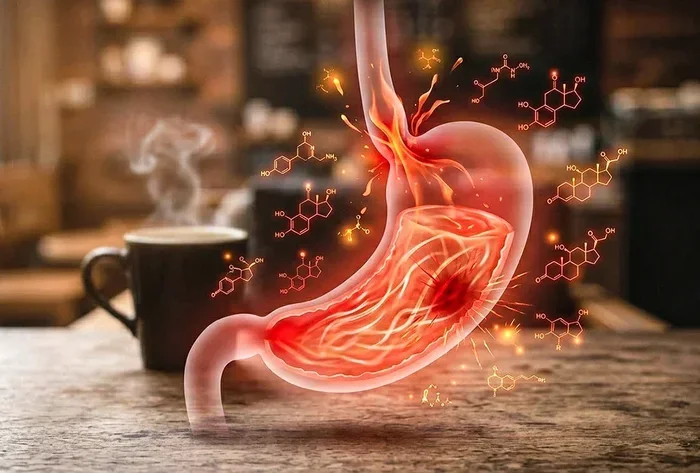
- Nausea and Stomach Upset: Coffee is acidic, and too much of it can irritate your stomach lining. This often leads to feelings of queasiness or even vomiting.
- Jitters and Anxiety: Caffeine stimulates your fight-or-flight response. Too much can make you feel anxious, restless, and unable to sit still.
- Rapid Heartbeat: Also known as heart palpitations, this can feel alarming and uncomfortable, especially if you are not expecting it.
- Headaches: Ironically, while coffee can relieve headaches in small amounts, too much can trigger severe caffeine headaches.
- Insomnia: Drinking coffee late in the day or in large quantities can destroy your sleep quality and make it hard to fall asleep.
- Frequent Urination: Coffee is a diuretic, which means it makes you pee more. This can lead to dehydration if you do not drink enough water.
Long-Term Effects of Overconsumption
Drinking too much coffee over a long period can cause chronic issues. These are not just temporary discomforts. They can affect your overall health in meaningful ways.
- Adrenal Fatigue: Your adrenal glands produce stress hormones. Constant caffeine stimulation can exhaust them over time, leaving you feeling drained.
- Digestive Problems: Regular overconsumption of coffee can worsen acid reflux, cause stomach ulcers, and disrupt your gut health.
- Bone Density Loss: Excessive caffeine can interfere with calcium absorption, which may weaken your bones over the years.
- Dependency and Withdrawal: When you drink a lot of coffee daily, your body builds a tolerance. If you suddenly stop, you may experience coffee withdrawal symptoms like fatigue, irritability, and intense headaches.
Signs and Symptoms of Coffee Sickness
How do you know if you have had too much coffee? The symptoms are often hard to ignore. Coffee sickness comes with a clear set of signals that your body is struggling to cope with the caffeine load. Recognizing these signs early can help you take action before things get worse.
Some people experience mild symptoms like slight restlessness. Others deal with full-blown caffeine sickness that leaves them feeling terrible for hours. The severity depends on how much you drank, your caffeine tolerance, and your overall health.
Physical Symptoms
The physical signs of too much coffee are often the first things you notice:
- A churning or queasy stomach
- Muscle tremors or shaking hands
- Excessive sweating without physical activity
- A pounding or irregular heartbeat
- Dizziness or lightheadedness
- Dehydration symptoms like dry mouth and fatigue
Mental and Emotional Symptoms
Coffee does not just affect your body. It also takes a toll on your mind. Caffeine and anxiety are closely linked, and too much coffee can amplify feelings of worry and unease.
- Racing thoughts that won’t slow down
- Irritability and mood swings
- Difficulty concentrating due to overstimulation
- Panic attacks in extreme cases
- Restlessness that makes it hard to relax
If you ever experience chest pain, difficulty breathing, or a very rapid heartbeat after drinking coffee, seek medical help immediately. These could be signs of a serious caffeine overdose that needs urgent attention.
How Much Coffee Is Too Much
One of the most common questions people ask is, “How many cups of coffee is safe?” The answer depends on several factors, but general guidelines can help you stay on the right track.
Recommended Daily Caffeine Intake
Health organizations generally agree on these guidelines:
- Adults: Up to 400 mg of caffeine per day (about 4 cups of brewed coffee)
- Pregnant Women: No more than 200 mg per day
- Adolescents: Less than 100 mg per day
- Children: It is best to avoid caffeine altogether
These numbers are general guidelines. Your personal limit may be lower. If you are sensitive to caffeine, even one cup might be too much. Pay attention to how your body responds after drinking coffee.
Factors That Affect Your Caffeine Tolerance
Not everyone processes caffeine the same way. Several factors influence how much coffee you can handle before feeling sick:
- Body Weight: Larger individuals may tolerate more caffeine than smaller ones.
- Genetics: Some people have genetic variations that make them slow caffeine metabolizers. This means caffeine stays in their system longer.
- Habit and Tolerance: Regular coffee drinkers build up a tolerance, but this can also mask the negative effects until they become serious.
- Overall Health: People with heart conditions, anxiety disorders, or digestive issues are more vulnerable to the negative effects of too much coffee.
- Medications: Certain medications interact with caffeine and can amplify its side effects.
Understanding your own tolerance is key. If you are unsure, start with one cup and see how you feel. Gradually increase if needed, but always stay within safe limits.
The Science Behind Coffee Sickness
Why does coffee make some people feel sick? The answer lies in how caffeine interacts with your body at a biological level. Understanding the science can help you make smarter choices about your daily intake.
Caffeine works by blocking adenosine receptors in your brain. Adenosine is a neurotransmitter that promotes sleep and relaxation. When caffeine blocks it, you feel more awake and alert. But caffeine does not just affect your brain. It also stimulates your heart, increases stomach acid production, and boosts adrenaline levels.
When you consume too much caffeine, all of these effects become amplified. Your heart races, your stomach produces excess acid, and your adrenal glands pump out stress hormones. This is the recipe for feeling sick, anxious, and terrible.
Interestingly, the way you prepare your coffee matters too. If you are curious about different brewing methods, you might want to read up on how to make coffee in a microwave oven for a quick and easy alternative. The method of preparation can affect the strength and acidity of your cup, which in turn influences how your body reacts.
Caffeine Metabolism and Half-Life
Caffeine has a half-life of about 5 to 6 hours. This means that if you drink 200 mg of caffeine at 3 PM, you will still have 100 mg in your system at 9 PM. For people who are slow metabolizers, this process takes even longer. That is why drinking coffee late in the day can wreck your sleep and leave you feeling exhausted the next morning.
Building a caffeine tolerance does not mean your body is processing caffeine faster. It just means your brain has adapted to the presence of caffeine. The underlying effects on your heart, stomach, and nervous system remain the same.
Tips to Enjoy Coffee Without Feeling Sick
The good news is that you do not have to give up coffee entirely. With a few smart habits, you can enjoy your daily cup without the negative side effects. Here are practical tips to help you drink coffee safely and feel great.
1. Limit Your Daily Intake
This is the most obvious but most important tip. Keep track of how much caffeine you consume each day. Remember that caffeine is not just in coffee. It is also in tea, energy drinks, chocolate, and some medications. Add it all up to stay within the safe range.
2. Eat Before You Drink
Drinking coffee on an empty stomach can irritate your stomach lining and cause nausea. Always eat a meal or at least a snack before your morning coffee. Foods rich in protein and healthy fats are especially good at buffering the acid.
3. Stay Hydrated
Coffee is a natural diuretic, which means it can dehydrate you. For every cup of coffee you drink, follow it with a glass of water. Staying hydrated helps flush out excess caffeine and keeps your body functioning at its best.
4. Choose Low-Acid Coffee
If coffee gives you stomach issues, consider switching to low-acid varieties. Cold brew coffee, for example, is naturally less acidic than hot brewed coffee. This simple switch can make a big difference for people with sensitive stomachs.
5. Avoid Adding Too Much Sugar
Sugar can worsen the jittery feeling that comes with too much caffeine. It causes blood sugar spikes and crashes that compound the negative effects of coffee. Try drinking your coffee black or with a small amount of milk instead.
6. Know When to Stop
Set a cutoff time for your coffee intake. Most experts recommend avoiding caffeine at least 6 hours before bedtime. This gives your body enough time to metabolize the caffeine and protect your sleep quality.
Remember, the goal is to enjoy coffee as a pleasant part of your routine, not as a source of misery. If you find that even small amounts make you feel sick, it might be worth exploring alternatives like herbal tea or decaf coffee.
When to See a Doctor
Most cases of coffee sickness are mild and resolve on their own once you stop drinking caffeine. However, there are situations where you should seek medical advice. Do not ignore persistent symptoms that could signal a more serious problem.
You should consult a doctor if you experience any of the following:
- Chest pain or tightness that does not go away
- Severe vomiting or diarrhea after drinking coffee
- Heart palpitations that last for more than a few minutes
- Extreme anxiety or panic attacks triggered by caffeine
- Frequent headaches that worsen over time
- Symptoms of dehydration, such as dark urine, dizziness, and extreme thirst
If you are trying to cut back on coffee and experiencing caffeine withdrawal symptoms, a doctor can help you manage the transition. They may recommend a gradual reduction plan or suggest alternatives that can ease your symptoms.
It is also worth noting that your kitchen habits can affect your overall health in unexpected ways. For instance, food safety in the kitchen matters more than people think. If you are curious about oven safety, you might want to check out whether freezer paper can go in the oven to ensure you are using safe materials for all your cooking and reheating needs.
Conclusion
Can too much coffee make you sick? Absolutely. Drinking excessive amounts of coffee can lead to nausea, anxiety, heart palpitations, headaches, and a host of other unpleasant symptoms. The key is to understand your personal caffeine limit and stick to it. Most healthy adults can safely enjoy up to four cups per day, but individual tolerance varies widely.
By following the tips in this guide, you can continue to enjoy your favorite beverage without the negative side effects. Listen to your body, stay hydrated, eat before you drink, and know when to say no to that extra cup. Coffee is meant to energize and uplift you, not make you feel terrible.
Remember that balance is everything. A moderate coffee habit can be a healthy and enjoyable part of your daily routine. But when that habit crosses into overconsumption, the consequences can be uncomfortable and even dangerous. Stay informed, stay mindful, and sip responsibly.
For more kitchen and food safety tips, you can also explore topics like putting bread back in the oven to make sure you are handling your food safely and wisely in all aspects of cooking.
Frequently Asked Questions
Can drinking too much coffee cause vomiting?
Yes, drinking too much coffee can cause vomiting. Coffee is highly acidic and stimulates stomach acid production. When you consume excessive amounts, this can irritate your stomach lining and lead to nausea and vomiting, especially if you drink it on an empty stomach.
How long do caffeine overdose symptoms last?
Caffeine overdose symptoms typically last between 3 to 5 hours, depending on your metabolism and the amount consumed. Since caffeine has a half-life of about 5 to 6 hours, it takes your body roughly 10 to 12 hours to fully eliminate it from your system.
Is it safe to drink coffee every day?
Drinking coffee every day is safe for most healthy adults as long as you stay within the recommended limit of 400 mg of caffeine per day. However, if you have underlying health conditions or are pregnant, you should consult your doctor about your daily intake.
Can too much coffee cause anxiety?
Yes, too much coffee can definitely cause or worsen anxiety. Caffeine stimulates your nervous system and triggers the release of adrenaline. In large amounts, this can lead to feelings of restlessness, nervousness, and even panic attacks in people who are sensitive to caffeine.
What should I do if I feel sick after drinking coffee?
If you feel sick after drinking coffee, stop consuming more caffeine immediately. Drink plenty of water to stay hydrated and help flush the caffeine out of your system. Eating a light snack can also help settle your stomach. If symptoms persist or worsen, seek medical attention.
Can decaf coffee make you sick too?
Decaf coffee contains very little caffeine, usually about 2 to 5 mg per cup, so it is unlikely to cause caffeine-related sickness. However, decaf coffee is still acidic, and drinking too much of it can irritate your stomach, especially if you have a sensitive digestive system.