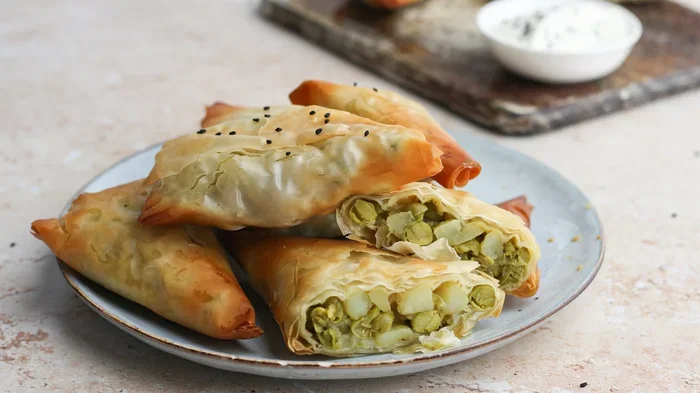
How Long To Cook Samosas In Oven For Crispy Perfection
Knowing how long to cook samosas in the oven is the key to achieving crispy, golden perfection without the mess of deep frying. Most oven-baked samosas take 25 to 35 minutes at 400°F, but the exact time depends on size, filling, and whether you use fresh or frozen dough. This guide walks you through every step so you can enjoy homemade oven baked samosas that rival your favorite takeout.
There is something deeply satisfying about pulling a tray of crispy samosas out of the oven. The aroma fills the kitchen. The crust crackles when you bite through it. And the spiced filling inside is perfectly cooked. Best of all, you did not need a vat of bubbling oil to get there.
If you have ever wondered how long to cook samosas in oven, you are in the right place. This guide covers everything from temperature settings to timing tricks. Whether you are making homemade samosas from scratch or reheating store-bought ones, you will find clear, practical advice here. Let us get into it.
Key Takeaways
- Bake at 400°F for 25-35 minutes: This is the sweet spot for most samosa recipes to get a crispy exterior and fully cooked filling.
- Egg wash or milk glaze makes a big difference: Brushing samosas before baking creates that golden, crunchy finish.
- Don’t skip the resting time: Letting assembled samosas rest for 15 minutes helps the seal hold and the shape stay intact.
- Frozen samosas need extra time: Add 5-10 minutes to the cook time when baking from frozen.
- Use a wire rack for even crispiness: Placing samosas on a rack instead of a flat pan allows hot air to circulate underneath.
- Flip halfway through baking: This simple step ensures both sides turn golden brown and evenly crispy.
- Oven temperature varies by oven: Always check your samosas a few minutes early, as every oven heats differently.
📑 Table of Contents
- Why Oven-Baked Samosas Are Worth Trying
- What Temperature to Bake Samosas At
- How Long to Cook Samosas in Oven — Step by Step
- Tips for the Crispiest Oven-Baked Samosas
- Common Mistakes to Avoid When Baking Samosas
- Frozen vs. Fresh: Which Is Better for Oven Baking?
- Serving Suggestions and Storage Tips
- Final Thoughts
Why Oven-Baked Samosas Are Worth Trying
Deep-fried samosas have their charm. There is no denying that. But oven-baked samosas offer a cleaner, lighter alternative that still delivers amazing crunch and flavor. More and more home cooks are turning to the oven for their samosa recipe needs. Here is why.
Healthier Without Sacrificing Taste
Baking uses little to no oil. That means fewer calories and less grease. You still get a crispy samosa crust when you use the right temperature and a good egg wash. The filling stays the same rich, spiced goodness you love.
Easier and Less Messy
No splattering oil. No careful handling of hot fat. You simply assemble, place on a tray, and pop them in the oven. Cleanup is a breeze. This makes oven baked samosas perfect for weeknight cooking or feeding a crowd.
More Consistent Results
When you deep fry, temperature swings can lead to soggy or burnt spots. An oven provides steady, even heat. Once you learn the correct baking temperature for samosas, you can repeat the results every single time.
What Temperature to Bake Samosas At
The baking temperature for samosas is the single most important factor. Get this wrong, and even the right cook time will not save you. Most recipes call for 375°F to 425°F. Here is a closer look at what works best.
The Ideal Temperature Range
For most homemade samosas, 400°F is the gold standard. At this temperature, the pastry browns beautifully while the filling cooks through evenly. If you prefer a slower, more gentle bake, 375°F works too. It just adds a few extra minutes to the total time.
Going above 425°F can cause the outside to burn before the inside is done. Going below 375°F often leads to pale, soft samosas that lack crunch. Stick with the 375°F to 400°F range for the best crispy samosas.
Convection vs. Conventional Oven
If your oven has a convection setting, use it. The fan circulates hot air around the food, which promotes even browning and faster cooking. You may need to drop the temperature by 25°F when using convection. This small adjustment makes a big difference in your oven baked samosas.
Do You Need to Preheat?
Absolutely. Always preheat your oven before placing samosas inside. A cold oven means the samosas start cooking slowly. This can lead to a soggy crust and uneven browning. Give your oven at least 10 to 15 minutes to reach the target temperature before baking.
How Long to Cook Samosas in Oven — Step by Step
Now let us answer the big question: how long to cook samosas in oven. The answer depends on a few factors, but the general range is clear. Here is a detailed breakdown.
Standard Bake Time for Fresh Samosas
For fresh, homemade samosas at 400°F, expect 25 to 30 minutes. The samosas are done when the outside is deep golden brown and the filling is hot all the way through. If you like an extra crispy shell, push it to 32 minutes. Just watch them closely so they do not burn.
Bake Time for Frozen Samosas
Frozen samosas need a bit more time. At 400°F, bake them for 30 to 35 minutes. Some brands recommend thawing first, but you can bake them straight from the freezer. Just add a few extra minutes and flip them halfway through for even cooking.
Reheating Already-Cooked Samosas
Reheating samosas in the oven is the best way to restore that crispy texture. Set your oven to 350°F and heat for 10 to 12 minutes. This brings back the crunch without drying out the filling. Avoid using the microwave for reheating. It makes the crust soft and limp.
Visual Cues That Tell You They Are Done
Time is a guide, but your eyes and senses are the best tools. Look for these signs:
- The crust turns a deep golden brown color.
- The edges look slightly darker than the center.
- The samosas feel firm to the touch, not soft or doughy.
- You can smell the spices coming through the pastry.
- If you tap the top, it sounds hollow, not soft.
Comparison Table: Fresh vs. Frozen vs. Reheated Samosas
| Samosa Type | Oven Temp | Cook Time | Key Tip |
|---|---|---|---|
| Fresh Homemade | 400°F | 25-30 min | Egg wash for golden color |
| Frozen (Uncooked) | 400°F | 30-35 min | Flip halfway for even crispness |
| Pre-Cooked (Reheating) | 350°F | 10-12 min | Wire rack prevents sogginess |
Tips for the Crispiest Oven-Baked Samosas
Getting that perfect crunch is an art. It is not just about time and temperature. A few extra steps can take your crispy samosas from good to outstanding. Here is what the pros do.
Use an Egg Wash or Milk Glaze
Brushing samosas with a beaten egg or a splash of milk before baking does wonders. It creates a glossy, golden finish and helps the crust puff up. This is the single easiest trick for restaurant-quality oven baked samosas at home.
Seal the Edges Well
A poorly sealed samosa will burst open in the oven. Use a little water or egg wash along the edges to seal them tightly. Press firmly with a fork. This keeps the filling inside and gives the samosa a clean, professional look.
Space Them on the Baking Sheet
Do not crowd the pan. Leave at least one inch of space between each samosa. Overcrowding traps steam, which makes the crust soggy. A baking sheet with parchment paper or a silicone mat works great for easy cleanup.
Use a Wire Rack
Placing samosas on a wire rack set over a baking sheet is a game changer. Hot air flows underneath, so the bottom crust stays just as crispy as the top. This is one of the best samosa cooking tips you will ever hear.
Flip Halfway Through
After about 15 minutes, open the oven and carefully flip each samosa. This ensures both sides brown evenly. Use a spatula to avoid tearing the crust. This one simple step makes a noticeable difference in the final texture.
- Chill assembled samosas for 15 minutes before baking. This helps the seal set and prevents leaking.
- Brush with oil or ghee instead of egg wash for a vegan-friendly golden finish.
- Sprinkle sesame seeds on top before baking for extra flavor and visual appeal.
- Bake on the middle rack of the oven for the most even heat distribution.
- Let samosas rest for 5 minutes after baking. The filling sets and stays inside.
Common Mistakes to Avoid When Baking Samosas
Even experienced cooks make mistakes. Knowing what to avoid saves time and ingredients. Here are the most common errors people make when baking samosas in oven.
Skipping the Preheat
This is the number one mistake. Putting samosas into a cold oven means they cook slowly and absorb more grease. Always preheat. Your samosa recipe will thank you.
Using Too Much Filling
Overstuffing leads to bursting. The filling expands as it heats up, and if there is too much, the seam will open. Use about two tablespoons of filling per samosa. Keep it neat and tight.
Not Letting Them Rest After Baking
Fresh from the oven, samosas are incredibly hot inside. Cutting into them immediately causes the filling to spill out. Let them rest on the wire rack for 5 to 10 minutes. The filling sets, and the crust stays crisp.
Baking at Too Low a Temperature
A low temperature might seem safer, but it actually creates a pale, doughy crust. The crispy crust you want only forms at high heat. Trust the 400°F setting and keep an eye on the timer.
Ignoring Your Oven’s Hot Spots
Every oven has hot spots. To find yours, place a piece of bread on the baking sheet and bake at 350°F for 5 minutes. The bread will brown faster in the hot areas. Knowing this helps you rotate the tray for even samosa baking.
Frozen vs. Fresh: Which Is Better for Oven Baking?
This is a question many people ask. The answer depends on your situation. Both options have real advantages.
Benefits of Homemade Fresh Samosas
Fresh samosas let you control every ingredient. You choose the spices, the type of filling, and the thickness of the dough. The flavor is unmatched. The samosa filling can be customized to your taste, whether you prefer vegetarian, potato-based, or meat options.
That said, making samosas from scratch takes time. The dough needs to rest, the filling needs to cool, and the shaping takes patience. If you are short on time, frozen is a perfectly valid choice.
Benefits of Using Frozen Samosas
Frozen samosas are incredibly convenient. You can buy them in bulk and bake them whenever a craving strikes. Many brands now offer high-quality frozen samosas oven options that taste surprisingly close to homemade.
The main trade-off is texture. Frozen samosas sometimes come out slightly less crispy than fresh ones. But with the right baking temperature for samosas and a few extra minutes in the oven, you can get excellent results.
The Best Approach for Busy Weeknights
On busy days, frozen samosas are your best friend. On weekends or when you have more time, homemade fresh samosas are a fun project. Many families keep both on hand. You get the convenience of frozen and the pride of homemade whenever you want it.
Regardless of which route you choose, the how long to cook samosas in oven question remains the same. Fresh samosas at 400°F need 25 to 30 minutes. Frozen samosas at 400°F need 30 to 35 minutes. The rest is just technique and a little attention.
Serving Suggestions and Storage Tips
Your crispy samosas are out of the oven. Now what? Here are some ideas to make the most of them.
Best Dipping Sauces
Samosas pair beautifully with a range of dips. Mint chutney is a classic pairing. Tamarind chutney adds a sweet and tangy contrast. A simple yogurt raita cools down the spice and complements the filling perfectly.
How to Store Leftover Samosas
Store cooled samosas in an airtight container in the refrigerator. They keep well for up to 3 days. To reheat, use the oven at 350°F for 10 minutes. Avoid the refrigerator for storing hot samosas. Let them cool completely first to prevent condensation, which makes the crust soggy.
Can You Freeze Baked Samosas?
Yes! Baked samosas freeze well. Place them in a single layer on a tray, freeze until solid, then transfer to a zip-lock bag. To reheat, bake at 375°F for 12 to 15 minutes straight from frozen. This is a great way to meal prep Indian snacks for the week.
Final Thoughts
Baking samosas in the oven is one of the simplest ways to enjoy this beloved Indian snack at home. Once you understand the baking temperature for samosas and the right samosa cooking time, the process becomes effortless. Most batches are done in under 35 minutes, and the results are genuinely impressive.
The key to crispy samosas comes down to three things. Use the right temperature. Do not overcrowd the pan. And keep an eye on them toward the end of baking. These small habits make a huge difference.
Whether you are baking from scratch or using frozen samosas, the oven method gives you consistent, delicious results every time. You get that satisfying crunch, a perfectly spiced filling, and a dish that looks and tastes like it came from a professional kitchen.
So the next time a samosa craving hits, skip the deep fryer. Preheat your oven to 400°F, line a baking sheet, and let the oven do the work. You will be amazed at how easy and rewarding oven baked samosas can be.
Now you know exactly how long to cook samosas in oven. Go ahead, give it a try, and enjoy every crispy bite.
Frequently Asked Questions
Can I bake samosas at 350°F instead of 400°F?
Yes, you can bake samosas at 350°F, but it will take longer, usually around 35 to 40 minutes. The lower temperature produces a slightly softer crust. If you prefer a crunchier texture, stick with 400°F and bake for 25 to 30 minutes. Adjust based on your personal preference.
Do I need to thaw frozen samosas before baking them in the oven?
No, you do not need to thaw frozen samosas before baking. You can place them directly in a hot oven at 400°F. Just add 5 to 10 extra minutes to the cooking time. Thawing can make the crust soggy, so baking from frozen often gives better results.
What is the best way to keep samosas crispy after baking?
The best way is to place baked samosas on a wire rack immediately after removing them from the oven. Avoid covering them with a lid or foil while they are still hot, as trapped steam will soften the crust. Store fully cooled samosas in an airtight container at room temperature.
Can I use an air fryer instead of an oven to cook samosas?
Absolutely. An air fryer works great for samosas and cooks them even faster. Set the air fryer to 380°F and cook for 12 to 15 minutes, flipping halfway through. The results are similar to oven-baked samosas with a slightly extra crunch on the outside.
How do I know if the samosa filling is cooked through?
The easiest way is to use an instant-read thermometer. Insert it into the center of the samosa. The internal temperature should reach 165°F for a fully cooked filling. If you do not have a thermometer, cut one samosa open after the suggested bake time to check.
Can I make samosas ahead of time and bake them later?
Yes, you can assemble samosas ahead of time and refrigerate them for up to 24 hours. Cover them tightly with plastic wrap or store in an airtight container. When ready to bake, add 3 to 5 extra minutes to the cook time since they will be cold from the fridge.