What Temperature Do You Cook Beef Ribs In The Oven
Cooking beef ribs in the oven comes down to low and slow heat, typically between 275°F and 325°F, which breaks down tough connective tissue into melt-in-your-mouth tenderness. The ideal beef rib internal temperature is 203°F, and most cuts need 3 to 4 hours depending on the type and size of the ribs. This guide walks you through every step, from choosing the right cut to achieving perfect oven-baked ribs with a rich, savory bark.
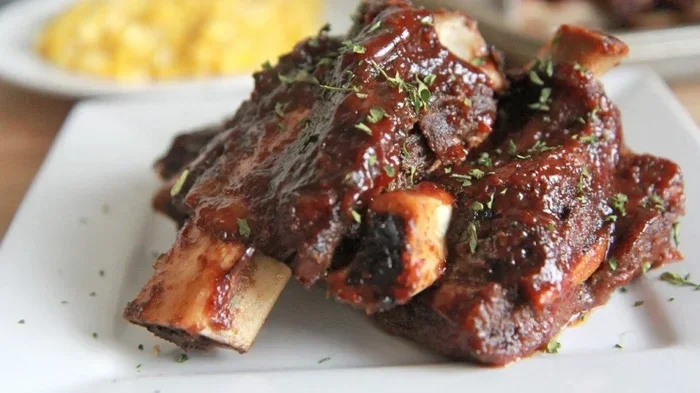
There is nothing quite like a rack of beef ribs pulled straight from the oven. The meat is tender, juicy, and practically falls off the bone. Whether you are a weekend warrior in the kitchen or someone just starting to explore oven cooking, learning how to cook beef ribs in the oven is a game-changer. This guide covers everything you need to know about beef ribs oven temperature, timing, seasoning, and getting results that rival any barbecue pit.
Many people assume ribs need a smoker or grill to turn out right. That is simply not true. Your oven can produce tender beef ribs with a beautiful crust and deep flavor. The key lies in understanding the right beef rib cooking temperature and giving the meat enough time to break down slowly. Below, we walk through every detail step by step so you can confidently put together a stunning rib dinner at home.
Key Takeaways
- Best Temperature: Cook beef ribs at 275°F to 325°F for the most tender, juicy results.
- Internal Temp Matters: Always aim for 203°F internal temperature for perfectly done beef ribs.
- Time Varies by Cut: Short ribs take 3 to 4 hours, while back ribs may need 2.5 to 3.5 hours.
- Low and Slow Wins: Higher temperatures dry out beef ribs; patience is the secret ingredient.
- Resting Is Essential: Let ribs rest for 15 to 20 minutes after cooking for juicier meat.
- Use a Meat Thermometer: An oven-safe meat thermometer takes the guesswork out of beef rib cooking.
- Seasoning Makes a Difference: A good dry rub or braising liquid elevates the flavor of oven-baked ribs.
📑 Table of Contents
- The Best Temperature for Cooking Beef Ribs in the Oven
- How Long to Cook Beef Ribs in the Oven
- How to Prepare Beef Ribs for the Oven
- Step-by-Step Guide to Cooking Beef Ribs in the Oven
- Common Mistakes People Make When Cooking Beef Ribs in the Oven
- Expert Tips for Perfect Oven Beef Ribs
- Serving and Storing Oven Beef Ribs
- Why Oven-Baked Beef Ribs Are Better Than You Think
- Conclusion
The Best Temperature for Cooking Beef Ribs in the Oven
The short answer is that most beef ribs cook best between 275°F and 325°F. This range allows the collagen in the meat to dissolve slowly, turning tough cuts into tender, juicy bites. Going too hot will dry out the ribs before the connective tissue has time to break down. Going too low will leave you waiting for hours without much benefit.
Why Low and Slow Works for Beef Ribs
Beef ribs are loaded with connective tissue, especially short ribs. This tissue is mostly collagen, and collagen needs time and gentle heat to turn into gelatin. Gelatin is what gives braised beef ribs their silky, succulent texture. When you cook at a high temperature, the muscle fibers seize up and squeeze out moisture. At a lower temperature, the fibers relax and retain their juices.
Think of it like this. You are not just cooking meat. You are transforming its entire structure. The low and slow cooking method is the only way to achieve that fall-off-the-bone tenderness people love. Most oven-baked ribs follow this principle, and once you nail it, you will never go back to rushing the process.
Temperature Chart for Different Beef Rib Cuts
Not all beef ribs are the same. The cut you choose affects both the ideal temperature and the cooking time. Here is a quick breakdown of common beef rib types and their recommended oven settings.
- Beef Short Ribs (boneless): Cook at 300°F for 3 to 4 hours. These are the most popular cut for oven braising.
- Beef Short Ribs (bone-in): Cook at 275°F to 300°F for 3.5 to 5 hours. Bones add flavor but require more time.
- Beef Back Ribs: Cook at 325°F for 2.5 to 3.5 hours. These are leaner and thinner than short ribs.
- Plate Ribs (flanken-style): Cook at 300°F for 2 to 3 hours. These are thin cuts that cook faster.
No matter which cut you pick, always use an oven-safe meat thermometer. The beef rib internal temperature should reach 203°F for optimal tenderness. This is the point where collagen has fully converted and the meat is at its most succulent.
How Long to Cook Beef Ribs in the Oven
Temperature and time go hand in hand. Even if you set the oven to the right beef ribs oven temperature, cooking for too short or too long a period will affect the final result. Understanding the relationship between time and cut size helps you plan your meal with confidence.
Factors That Affect Cooking Time
Several things influence how long your oven-baked ribs will need. First, the thickness of the cut matters a lot. Thicker ribs need more time. Second, bone-in ribs take longer than boneless because the bone slows down heat transfer. Third, the type of pan or dish you use matters. A deep Dutch oven traps heat differently than a wide baking sheet.
Here are the main factors to keep in mind:
- Rib Thickness: Thicker cuts need 30 to 60 extra minutes.
- Bone-In vs. Boneless: Bone-in adds roughly 30 to 60 minutes.
- Oven Accuracy: Every oven runs slightly hot or cold. Use a separate oven thermometer if you are unsure.
- Wrapping vs. Unwrapping: Wrapping in foil speeds things up and keeps moisture in.
- Starting Temperature: Room temperature ribs cook more evenly than cold ribs straight from the fridge.
General Time Guidelines by Cut
Use these guidelines as a starting point, but always let the internal temperature guide your final decision.
- Boneless Short Ribs at 300°F: Plan for about 3 hours. Check at the 2.5-hour mark.
- Bone-In Short Ribs at 275°F: Plan for 4 to 5 hours. The bones need extra time to heat through.
- Back Ribs at 325°F: Plan for 2.5 to 3 hours. These are thinner and cook faster.
- Flanken-Style Ribs at 300°F: Plan for 2 to 2.5 hours. They are thin and become tender quickly.
The beef rib cooking time can vary by an hour or more depending on your specific oven and the size of the ribs. Trust your thermometer, not the clock. That is the single best piece of advice for anyone learning how to cook beef ribs in the oven.
How to Prepare Beef Ribs for the Oven
Preparation is where a good rib cook separates themselves from a great one. You can follow the right beef ribs oven temperature perfectly, but poor prep work will still lead to mediocre results. Taking the time to season and prep your ribs properly sets the stage for something truly special.
Choosing the Right Beef Ribs
Start with quality meat. Look for ribs with good marbling, which means thin streaks of fat running through the muscle. Marbling keeps the ribs moist during long cooking times. Avoid ribs that look dry or have a grayish color. Fresh, well-marbled beef short ribs are the best choice for most home cooks.
When shopping, you will usually find two main types. Bone-in short ribs come from the chuck or plate and are perfect for braising. Boneless short ribs are cut from the same area but are easier to slice and serve. Both work beautifully in the oven, so choose based on your preference and how much time you have.
Seasoning and Dry Rub Tips
A simple dry rub does wonders for oven-baked ribs. You do not need a long list of exotic ingredients. Salt, black pepper, garlic powder, onion powder, smoked paprika, and a touch of brown sugar create a fantastic base. The sugar helps build a beautiful beef rib bark, which is that slightly caramelized, flavorful crust on the outside.
Here is how to season effectively:
- Pat the ribs dry with paper towels. Moisture is the enemy of a good bark.
- Apply the rub generously on all sides at least 30 minutes before cooking, or up to overnight.
- Let the ribs sit at room temperature for about 30 minutes before they go in the oven.
- Do not skip the salt. It draws out moisture initially but then gets reabsorbed, seasoning the meat deeply.
Using a Braising Liquid for Extra Juiciness
Braising is the cooking method that makes oven beef ribs so tender. A braising liquid adds flavor and keeps the meat from drying out. Common choices include beef broth, red wine, beer, or a mix of broth and tomato paste. Pour about one cup of liquid into the bottom of your pan before adding the ribs.
The liquid should not cover the ribs. You are not boiling them. You are creating a steamy, flavorful environment inside the oven. This is the secret behind braised beef ribs that are rich, deep in flavor, and impossibly tender.
Step-by-Step Guide to Cooking Beef Ribs in the Oven
Now that you understand the temperature and prep work, here is the full process for achieving perfect oven-baked ribs every single time. Follow these steps and you will have restaurant-quality results at home.
Step 1: Preheat the Oven
Set your oven to 275°F to 300°F and let it fully preheat. Use an oven thermometer to confirm the actual temperature. Many ovens display the wrong temperature, and even a 25-degree difference can change your cook time significantly.
Step 2: Prep the Pan
Place a wire rack inside a baking sheet or use a deep Dutch oven. A rack allows air to circulate around the ribs, which promotes even cooking. If you do not have a rack, you can place the ribs directly in the pan with the braising liquid, but a rack gives better results for developing that beef rib bark.
Step 3: Season and Add Liquid
Place the seasoned ribs on the rack or in the pan. Add your braising liquid to the bottom of the pan. Do not pour it over the ribs. The liquid creates steam that keeps the cooking environment moist.
Step 4: Cook and Monitor
Put the pan in the oven and cook for the recommended time based on your cut. Check the beef rib internal temperature after the minimum cooking time has passed. The ribs are done when they reach 203°F internally. The meat should pull away from the bone easily and feel very tender when you press it with a fork.
Step 5: Rest the Ribs
This step is non-negotiable. Remove the ribs from the oven and let them rest for 15 to 20 minutes. During resting, the juices redistribute throughout the meat. If you cut too early, those juices run out onto the cutting board instead of staying in the rib. Resting makes a noticeable difference in juiciness.
Common Mistakes People Make When Cooking Beef Ribs in the Oven
Even experienced cooks sometimes make mistakes with oven-braised ribs. Knowing what to avoid saves time, money, and a lot of disappointment.
Cooking at Too High a Temperature
This is the number one mistake. Some people crank the oven to 375°F or higher thinking it will save time. The result is tough, dry ribs with none of the tender texture you are after. The low and slow approach is not just a suggestion. It is the fundamental principle behind great oven ribs.
Skipping the Thermometer
Guessing the doneness of beef ribs is a recipe for frustration. Visual cues can be misleading. The only reliable way to know your beef rib internal temperature is correct is with a meat thermometer. Invest in a good instant-read or leave-in probe thermometer. It removes all the guesswork.
Not Letting the Ribs Rest
Cutting into ribs right out of the oven is tempting but counterproductive. The meat needs time to reabsorb its juices. Skipping the rest leads to dry, less flavorful ribs even if you cooked them perfectly.
Using Too Much Liquid
Braising liquid is important, but too much turns your cook into boiling. The ribs should never sit in more than an inch or two of liquid. The goal is steam and gentle moisture, not submersion.
Expert Tips for Perfect Oven Beef Ribs
Take your beef ribs oven temperature game to the next level with these expert-backed tips that make a real difference in the final dish.
Use the Three-Two-One Method for Back Ribs
This method works well for beef back ribs in the oven. Cook unwrapped for the first two hours, then wrap tightly in foil for the next two hours, and finish unwrapped for the final hour. This builds flavor, keeps moisture in, and develops a great bark on the surface.
Add Wood Chips for Smoky Flavor
You can add a smoky dimension to oven ribs by placing a small handful of wood chips on a piece of foil in the oven. Soak the chips in water for 30 minutes first. The smoke infuses the ribs with a subtle, delicious flavor that mimics outdoor smoking.
Glaze in the Last 30 Minutes
Brush your ribs with a glaze during the last 30 minutes of cooking. A mix of barbecue sauce, apple cider vinegar, and a little brown sugar creates a sticky, sweet, tangy finish. The glaze caramelizes in the heat and adds another layer of flavor to your oven-baked ribs.
Save the Braising Liquid
Do not throw away the liquid left in the pan after cooking. Strain it and use it as a base for gravy or sauce. It is packed with deep, rich beef flavor that elevates the entire meal.
Serving and Storing Oven Beef Ribs
Once your beef ribs oven temperature has done its magic, it is time to serve and store them properly. How you handle the ribs after cooking affects both the eating experience and how well they keep.
Best Ways to Serve Beef Ribs
Serve oven-baked ribs with classic sides that complement their rich flavor. Mashed potatoes, roasted vegetables, coleslaw, or cornbread all pair beautifully. For a barbecue-style meal, serve with extra barbecue sauce on the side and some baked beans.
Slice the ribs against the grain for the most tender bite. If you are serving bone-in short ribs, present them whole on a platter for a dramatic, family-style presentation. A sprinkle of fresh parsley or sliced green onions adds a pop of color and freshness.
Storing Leftover Ribs
Cooked beef ribs keep well in the refrigerator for up to four days. Store them in an airtight container. When reheating, add a splash of broth or water to keep them moist. Reheat at a low temperature, around 250°F, to avoid drying them out.
Beef ribs also freeze beautifully. Wrap them tightly in plastic wrap and foil, or place them in a freezer-safe bag. They keep for up to three months in the freezer. Thaw overnight in the refrigerator before reheating for the best results.
Why Oven-Baked Beef Ribs Are Better Than You Think
There is a common belief that ribs need a smoker or outdoor grill to taste great. While smokers do produce incredible flavor, your oven is a powerful tool that delivers consistent, reliable results. The controlled environment of an oven means no wind, no temperature fluctuations, and no guesswork about charcoal placement.
Oven-braised ribs are incredibly forgiving. The low temperature gives you a wide window of time to check and monitor the meat. Unlike grilling, where a flare-up can ruin a rack of ribs in seconds, oven cooking lets you focus on the process without stress. You can open the oven, baste the ribs, and check the temperature without worrying about losing too much heat.
For busy families and weeknight meal planners, oven beef ribs are a practical choice. You can prep them in the morning, pop them in the oven, and come home to a house that smells incredible. The kitchen fills with the aroma of slow-cooked beef, garlic, and herbs. It is a cooking method that feeds the senses before the meal even hits the table.
The beauty of mastering beef ribs oven temperature is that once you understand the principle, you can experiment with different cuts, rubs, and braising liquids. You are not locked into one recipe. The fundamentals stay the same, but the flavor possibilities are endless. Try a red wine braise one weekend and a beer-based liquid the next. Each variation brings its own character and depth.
Conclusion
Cooking beef ribs in the oven is one of the most rewarding things you can do in the kitchen. The key is simple. Keep the beef ribs oven temperature between 275°F and 325°F, aim for an internal temperature of 203°F, and give the meat enough time to break down into tender, juicy perfection. Low and slow cooking is the foundation of every great batch of oven-baked ribs. Follow the prep steps, avoid common mistakes, and trust your thermometer. With these guidelines, you will serve beef ribs that are rich, flavorful, and absolutely unforgettable. Start with this method, make it your own, and enjoy the process of creating something truly special right in your own kitchen.
Frequently Asked Questions
What is the best temperature to cook beef ribs in the oven?
The best beef ribs oven temperature is between 275°F and 325°F. This range allows the collagen in the meat to break down slowly, resulting in tender, juicy ribs. For most cuts, 300°F is the sweet spot that balances flavor and cooking time.
How long does it take to cook beef ribs in the oven?
Cooking time depends on the type of rib and the oven temperature. Boneless short ribs at 300°F take about 3 hours, while bone-in short ribs at 275°F may need 4 to 5 hours. Always use an oven-safe meat thermometer and check for an internal temperature of 203°F.
Can I cook beef ribs at 350°F in the oven?
You can cook beef ribs at 350°F, but the results will be less tender than cooking at a lower temperature. Higher heat causes the muscle fibers to tighten and squeeze out moisture. If you must cook at 350°F, reduce the cooking time and monitor the internal temperature closely to avoid drying out the ribs.
Should I wrap beef ribs in foil when cooking them in the oven?
Wrapping ribs in foil during part of the cook helps retain moisture and speeds up the process. This technique, often called the “Texas crutch,” works well for oven-baked ribs. Try unwrapped for the first half, then wrap for the second half, and finish unwrapped to develop a good bark.
What internal temperature should beef ribs reach?
Beef rib internal temperature should reach 203°F for the best results. At this temperature, the collagen has fully converted to gelatin, making the meat tender and juicy. Always insert the thermometer into the thickest part of the meat, avoiding the bone.
Can I use frozen beef ribs in the oven?
It is best to thaw beef ribs before cooking for even results. If you cook from frozen, add at least one extra hour to the cooking time and make sure the internal temperature reaches 203°F. Thawing in the refrigerator overnight is the safest method and helps the ribs cook more evenly.