How Long Does It Take To Cook Shrimp In Convection Oven
Cooking shrimp in a convection oven takes about 8 to 12 minutes at 400°F, depending on the size of the shrimp and whether they are raw or pre-cooked. Convection ovens circulate hot air for faster, more even cooking, making them ideal for crispy, golden shrimp. This guide covers temperatures, timing, and pro tips for perfect results every time.
Cooking shrimp in a convection oven is one of the fastest and easiest ways to prepare a delicious meal. Whether you are feeding a crowd or making a quick weeknight dinner, convection oven shrimp comes out perfectly juicy and flavorful every time.
Many home cooks wonder about the right shrimp cooking time and temperature. The good news is that convection ovens make this process simple and forgiving. The circulating hot air cooks food faster and more evenly than a regular oven, which is great news for shrimp lovers.
In this guide, you will learn everything you need to know about baked shrimp recipes using a convection oven. We will cover temperatures, timing, tips for frozen shrimp, and how to avoid the most common mistakes. By the end, you will feel confident making oven-baked shrimp like a pro.
Key Takeaways
- Quick Cooking Time: Most shrimp cook in 8 to 12 minutes in a convection oven at 400°F.
- Size Matters: Larger shrimp need more time, while smaller shrimp cook faster.
- Preheat Is Essential: Always preheat your convection oven before adding shrimp.
- Internal Temperature: Shrimp are done when they reach 120°F to 145°F internally.
- Frozen Shrimp Works: You can cook frozen shrimp directly, but thawing gives better results.
- Don’t Overcook: Overcooked shrimp become rubbery and lose their flavor quickly.
- Versatile Recipe Options: You can bake, roast, or make crispy shrimp using the same method.
📑 Table of Contents
- Why Use a Convection Oven for Cooking Shrimp?
- What Temperature to Cook Shrimp in a Convection Oven
- How Long Does It Take to Cook Shrimp in a Convection Oven
- Step-by-Step Guide to Baking Shrimp in a Convection Oven
- Common Mistakes to Avoid When Cooking Shrimp in a Convection Oven
- Delicious Shrimp Recipes for Your Convection Oven
- How to Store and Reheat Leftover Baked Shrimp
- Nutritional Benefits of Shrimp
- Frequently Asked Questions
- Conclusion
Why Use a Convection Oven for Cooking Shrimp?
A convection oven is a game changer when it comes to oven roasted shrimp. The fan inside the oven moves hot air around the food, which means your shrimp cooks faster and more evenly. This is a big advantage over a standard oven.
Faster Cooking with Better Results
Because the hot air circulates constantly, shrimp cooks about 25 percent faster in a convection oven. This means less time waiting and more time eating. The even heat distribution also prevents hot spots, so every piece of shrimp cooks at the same rate.
Crispy Exterior, Juicy Interior
One of the best benefits of using a convection oven is the texture it delivers. The moving air helps create a slightly crispy exterior while keeping the inside tender and juicy. This is especially true when you bake shrimp with seasoning or a light coating of oil.
Energy Efficient
Since convection ovens cook food faster, they also use less energy. This is a nice bonus if you are trying to save on electricity or gas bills. You get great shrimp dinner recipes without wasting power.
What Temperature to Cook Shrimp in a Convection Oven
Getting the temperature right is the most important step in cooking shrimp in oven setups. The wrong temperature can lead to overcooked or undercooked shrimp, and nobody wants that.
The Ideal Temperature Range
The sweet spot for convection bake shrimp is between 375°F and 425°F. Most recipes work best at 400°F. This temperature is high enough to cook the shrimp quickly but not so high that it dries them out.
- 375°F: Great for larger shrimp that need more gentle cooking.
- 400°F: The most popular and versatile temperature for all shrimp sizes.
- 425°F: Best for small shrimp or when you want a extra crispy finish.
Adjusting for Shrimp Size
The size of your shrimp affects both the temperature and the shrimp oven temperature you should use. Here is a quick breakdown of how size impacts cooking:
- Extra Small (under 2 inches): Cook at 400°F for about 6 to 8 minutes.
- Medium (2 to 3 inches): Cook at 400°F for about 8 to 10 minutes.
- Large (3 to 4 inches): Cook at 375°F to 400°F for about 10 to 12 minutes.
- Jumbo (over 4 inches): Cook at 375°F for about 12 to 15 minutes.
These times are for raw, peeled, and deveined shrimp. If you are using frozen shrimp oven methods, you may need to add a couple of extra minutes.
How Long Does It Take to Cook Shrimp in a Convection Oven
This is the question most people want answered, and the answer depends on a few factors. Let us break it down clearly so you never have to guess again.
Cooking Time for Raw Shrimp
Raw shrimp takes about 8 to 12 minutes at 400°F in a convection oven. The exact time depends on the size of the shrimp and how thick the pieces are. Smaller shrimp will be done closer to the 8-minute mark, while larger shrimp may need the full 12 minutes.
Here is a simple timeline to follow:
- Minutes 0 to 3: The shrimp starts to turn pink on the edges.
- Minutes 4 to 6: The shrimp curls slightly and firms up.
- Minutes 7 to 10: The shrimp is fully pink and cooked through.
- Minutes 10 to 12: Check for doneness and remove immediately to avoid overcooking.
Cooking Time for Pre-Cooked Shrimp
If you are using pre-cooked or frozen cooked shrimp, the process is much faster. You only need to heat them through, which takes about 5 to 7 minutes at 400°F. The goal here is to warm the shrimp, not cook it further. Overcooking pre-cooked shrimp makes them tough and rubbery.
Cooking Time for Frozen Raw Shrimp
You can cook frozen shrimp directly in the convection oven without thawing first. Just add 3 to 5 extra minutes to the cooking time. The internal temperature still needs to reach 120°F to 145°F for food safety. Pat the shrimp dry before seasoning to help them cook more evenly.
Quick Tip: Always use a meat thermometer to check the internal temperature of your shrimp. This is the most reliable way to know if your shrimp is done. Shrimp is fully cooked when it reaches 145°F internally and is opaque white all the way through.
Step-by-Step Guide to Baking Shrimp in a Convection Oven
Follow these simple steps to make perfect convection oven shrimp every single time. This method works for both fresh and frozen shrimp.
Step 1: Prep the Shrimp
Start by rinsing the shrimp under cold water. If they are not already peeled and deveined, do that now. Pat them dry with paper towels. Removing excess moisture helps the shrimp get crispy instead of steaming.
Step 2: Season Generously
Shrimp seasoning makes all the difference in flavor. A simple blend of olive oil, garlic powder, paprika, salt, and black pepper works beautifully. Toss the shrimp in a bowl to coat them evenly. You can also add lemon zest or a squeeze of fresh lemon juice for extra brightness.
Step 3: Arrange on a Baking Sheet
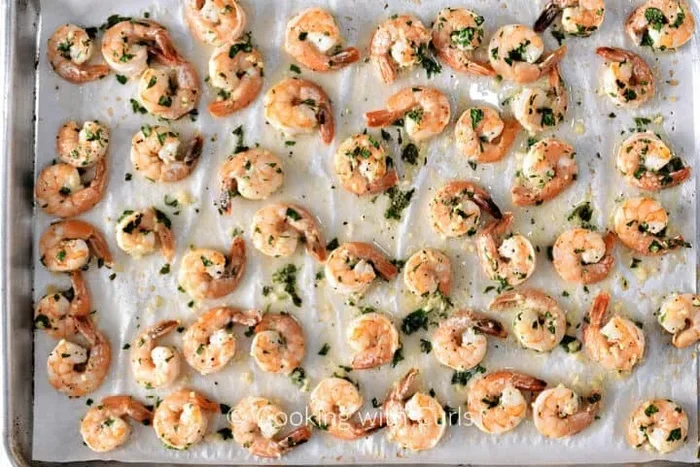
Spread the shrimp in a single layer on a parchment-lined baking sheet. Do not overcrowd the pan. Leaving space between each piece allows the hot air to circulate properly, which is the whole point of using a convection oven. For shrimp skewers oven style, thread the shrimp onto metal skewers and lay them across the sheet.
Step 4: Preheat and Bake
Preheat your convection oven to 400°F before the shrimp goes in. Place the baking sheet on the middle rack. Set a timer for 8 minutes and check for doneness. The shrimp should be bright pink and opaque when fully cooked.
Step 5: Rest and Serve
Remove the shrimp from the oven and let them rest for 1 to 2 minutes. This allows the juices to redistribute. Serve immediately with a squeeze of lemon, cocktail sauce, or over a bed of rice or salad.
Common Mistakes to Avoid When Cooking Shrimp in a Convection Oven
Even experienced cooks make mistakes when preparing oven-baked shrimp. Here are the most common errors and how to avoid them.
Overcrowding the Pan
This is the number one mistake people make. When shrimp are packed too closely together, they steam instead of roast. The result is soggy, unevenly cooked shrimp. Always give each piece enough space on the baking sheet.
Skipping the Preheat
Some people skip preheating the convection oven to save time. This is a bad idea. A properly preheated oven ensures the shrimp starts cooking immediately at the right temperature. Without preheating, you end up with unevenly cooked shrimp that may be raw in the middle.
Overcooking the Shrimp
Overcooked shrimp are tough and rubbery. They lose their natural sweetness and become unpleasant to eat. Set a timer and watch the shrimp closely during the last few minutes of cooking. Remember, shrimp continue to cook slightly after you take them out of the oven.
Not Patting the Shrimp Dry
Moisture is the enemy of crispy shrimp. If you skip the drying step, the shrimp will release steam in the oven instead of roasting. Take the extra 30 seconds to pat the shrimp dry with paper towels. This small step makes a huge difference in texture.
Delicious Shrimp Recipes for Your Convection Oven
Once you master the basics, you can experiment with different shrimp recipes and flavor profiles. Here are a few ideas to get you started.
Crispy Garlic Butter Shrimp
Toss raw shrimp with melted butter, minced garlic, and a sprinkle of breadcrumbs. Bake at 400°F for 10 minutes. The breadcrumbs create a crispy coating while the garlic butter soaks into the shrimp. This is one of the most popular shrimp dinner recipes for families.
Lemon Herb Roasted Shrimp
Combine olive oil, fresh rosemary, thyme, lemon juice, and garlic. Toss with shrimp and bake at 375°F for 10 to 12 minutes. This light and flavorful option pairs perfectly with pasta or a fresh green salad.
Spicy Cajun Shrimp
Coat shrimp in Cajun seasoning and a light drizzle of oil. Spread them on a baking sheet and bake at 425°F for 8 to 10 minutes. The high heat gives the shrimp a nice char and smoky flavor. Serve with rice or in a wrap for a quick meal.
How to Store and Reheat Leftover Baked Shrimp
If you have leftover convection oven shrimp, you can store and reheat them safely. Proper storage keeps the shrimp fresh and maintains its texture.
Storing Baked Shrimp
Let the shrimp cool to room temperature before storing. Place them in an airtight container and refrigerate within two hours. Properly stored baked shrimp lasts 3 to 4 days in the fridge.
Reheating Leftover Shrimp
The best way to reheat oven roasted shrimp is to place them back in the convection oven at 350°F for 3 to 5 minutes. This keeps the shrimp warm without drying them out. You can also reheat them in a skillet on the stovetop over medium heat for a couple of minutes.
Avoid microwaving leftover shrimp if possible. The microwave tends to make shrimp rubbery and tough. If you must use a microwave, do so on low power and cover the shrimp with a damp paper towel to add moisture.
Nutritional Benefits of Shrimp
Shrimp is not only delicious but also packed with nutrients. It is a lean protein source that is low in calories and high in essential vitamins and minerals. A serving of shrimp provides protein, selenium, vitamin B12, and phosphorus. It is also a good source of omega-3 fatty acids, which support heart health.
Because shrimp is low in fat and calories, it makes an excellent choice for people watching their weight or following a high-protein diet. Pairing baked shrimp with vegetables and whole grains creates a balanced and nutritious meal the whole family will enjoy.
Frequently Asked Questions
Can I cook frozen shrimp directly in the convection oven?
Yes, you can cook frozen shrimp directly in a convection oven without thawing first. Simply add 3 to 5 extra minutes to the cooking time. For best results, pat the shrimp dry and arrange them in a single layer on the baking sheet. The internal temperature should reach 145°F before serving.
How do I know when shrimp is fully cooked in a convection oven?
Shrimp is fully cooked when it turns opaque white and pink all the way through. The shrimp should curl into a loose C shape, not a tight O. Using a meat thermometer is the most reliable method. Shrimp is done when it reaches an internal temperature of 145°F.
What is the best way to prevent shrimp from sticking to the baking sheet?
The best way to prevent sticking is to line your baking sheet with parchment paper or a silicone baking mat. Lightly greasing the surface with oil also helps. Make sure the shrimp are dry before placing them on the sheet, and avoid overcrowding the pan.
Can I use a convection oven to cook large jumbo shrimp?
Absolutely. Large jumbo shrimp work great in a convection oven. Reduce the temperature slightly to 375°F and cook for 12 to 15 minutes. The larger size means they need a bit more time and a slightly lower temperature to cook evenly without drying out.
How long can I store leftover baked shrimp?
Leftover baked shrimp can be stored in the refrigerator for 3 to 4 days. Keep them in an airtight container to maintain freshness. For longer storage, you can freeze cooked shrimp for up to 3 months. Reheat gently in the oven or a skillet for the best texture.
What sides pair well with convection oven shrimp?
Convection oven shrimp pairs wonderfully with rice, pasta, roasted vegetables, and fresh salads. A light lemon-garlic aioli or cocktail sauce makes an excellent dipping sauce. For a complete meal, try serving shrimp over quinoa with steamed broccoli and a squeeze of fresh lemon.
Conclusion
How long does it take to cook shrimp in a convection oven is a question with a simple answer: about 8 to 12 minutes at 400°F. This cooking method delivers fast, flavorful, and perfectly textured shrimp every time. The circulating hot air of a convection oven ensures even cooking and a beautiful golden finish that is hard to achieve with a regular oven.
Remember to always preheat your oven, pat the shrimp dry, and avoid overcrowding the pan. Use a meat thermometer to check for doneness, and never walk away from the oven during the final minutes. These small habits make a big difference in the quality of your oven-baked shrimp.
Whether you are making a quick weeknight meal or hosting a dinner party, convection oven shrimp is a versatile and impressive dish. Experiment with different seasonings, try new shrimp recipes, and enjoy the process. Once you master this method, you will never go back to stovetop cooking for shrimp again.