How Long To Cook Tuna Steak In Oven For Juicy Results
Learning how long to cook tuna steak in oven is the key to achieving a juicy, restaurant-quality meal at home. The right temperature and timing make all the difference between a dry, overcooked steak and a tender, pink center that melts in your mouth. This guide covers exact cooking times, temperatures, seasoning tips, and common mistakes so you can cook tuna steak in oven like a pro every single time.
There is something truly special about a perfectly cooked tuna steak. The outside is lightly seared and golden, while the inside stays cool, pink, and buttery soft. Yet so many home cooks struggle with this simple dish. The oven can be your best friend for making tuna steak, but only if you know exactly how long to cook tuna steak in oven and at what temperature.
Whether you are a weeknight dinner hero or a weekend chef looking to impress, this guide has everything you need. We will walk through the exact timing, the best temperatures, seasoning ideas, and the mistakes that ruin a good tuna steak. By the end, you will feel confident walking up to your oven and pulling out a stunning meal every time.
Key Takeaways
- Optimal Temperature: Roast tuna steak at 400°F to 425°F for the best sear and juicy interior.
- Cooking Time: Most tuna steaks need only 8 to 12 minutes in the oven, depending on thickness.
- Internal Temperature Matters: Aim for 125°F to 130°F for medium-rare, which is the sweet spot for flavor.
- Resting Is Essential: Let the steak rest for 5 minutes after cooking to lock in juices.
- Season Simply: Olive oil, garlic, lemon, and herbs are all you need for a delicious result.
- Avoid Overcooking: Tuna dries out fast, so keep a close eye on the clock and use a meat thermometer.
- Freshness Counts: Always use sashimi-grade or sushi-grade tuna for the best flavor and safety.
📑 Table of Contents
- Why Oven-Baked Tuna Steak Works So Well
- The Best Oven Temperature for Tuna Steak
- How Long To Cook Tuna Steak In Oven: A Step-by-Step Timing Guide
- Best Seasonings and Marinades for Tuna Steak
- How to Tell When Tuna Steak Is Perfectly Done
- Common Mistakes People Make When Cooking Tuna Steak in the Oven
- Serving Suggestions and Perfect Pairings
- Expert Tips for the Juiciest Tuna Steak Every Time
- Frequently Asked Questions About Cooking Tuna Steak in the Oven
- Final Thoughts on Cooking Tuna Steak in the Oven
Why Oven-Baked Tuna Steak Works So Well
You might be wondering why anyone would choose an oven over a hot skillet or grill. The truth is, the oven gives you more control. It heats evenly all around the steak, which means no hot spots that burn the outside while leaving the inside raw. When you learn how long to cook tuna steak in oven, you open up a whole new level of consistency.
Oven-baking also frees up your stovetop for other parts of the meal. You can roast vegetables, warm a sauce, or prep sides while the tuna cooks. And unlike grilling, there is no flare-up risk with tuna. The fish is lean and cooks fast, so it stays moist and flavorful.
The Science Behind Cooking Tuna
Tuna is a dense, muscular fish. It has very little fat compared to salmon or swordfish. This means it cooks quickly and dries out fast if you leave it too long. The proteins in tuna tighten as heat rises, squeezing out moisture. That is why timing is everything.
When you bake tuna at a high temperature for a short time, you get a process called the Maillard reaction on the surface. This is what creates that beautiful brown crust and deep, savory flavor. Inside, the fish stays barely cooked, which preserves its tender texture. The trick is balancing a hot oven with a short cook time.
The Best Oven Temperature for Tuna Steak
Getting the temperature right is the single most important step. Too low and the tuna dries out before it gets a good sear. Too high and the outside burns while the center stays unpleasantly cold. The sweet spot for most tuna steaks is between 400°F and 425°F.
At 400°F, you get a gentle, even cook that works well for thicker steaks. At 425°F, the surface browns faster, which is great for thinner cuts. Here is a quick breakdown of what to expect at different temperatures.
Temperature Guide for Different Thicknesses
- 1-inch thick steak: Roast at 425°F for about 8 to 10 minutes.
- 1.5-inch thick steak: Roast at 400°F for about 10 to 12 minutes.
- 2-inch thick steak: Roast at 400°F for about 12 to 15 minutes.
- Thin steaks (under 1 inch): Roast at 450°F for 6 to 8 minutes.
These times assume you start with room-temperature tuna. Always take the steak out of the fridge 15 to 20 minutes before cooking. Cold fish in a hot oven leads to uneven cooking, which is one of the biggest mistakes people make.
How Long To Cook Tuna Steak In Oven: A Step-by-Step Timing Guide
Now let us get into the details of cooking time. When you ask how long to cook tuna steak in oven, the answer depends on a few factors. Thickness, starting temperature, and your desired level of doneness all matter. But here is a clear, practical guide you can follow.
Step 1: Prep the Tuna
Pat the tuna steak dry with paper towels. Moisture on the surface creates steam, which prevents browning. Brush both sides lightly with olive oil. This helps the seasoning stick and promotes a beautiful crust.
Season generously with salt and pepper. You can also add garlic powder, smoked paprika, or a pinch of cayenne for a little kick. If you have time, let the seasoned steak sit for 10 minutes while the oven preheats. This draws out a bit of moisture and helps the flavors sink in.
Step 2: Preheat and Position
Place the oven rack in the center position. Preheat to your chosen temperature. A fully preheated oven is critical. Putting tuna in a cold oven throws off the timing and leads to uneven results.
Use a baking sheet lined with parchment paper or a light-colored baking dish. Dark pans absorb more heat and can overcook the bottom of the steak.
Step 3: Bake and Monitor
Place the tuna steak in the oven and set a timer. For medium-rare, aim for the lower end of the time range. For medium, add a minute or two. The best tool for checking doneness is an instant-read meat thermometer inserted into the thickest part of the steak.
Here is a simple doneness chart to follow:
- Rare: 115°F to 120°F internal temperature
- Medium-Rare: 125°F to 130°F internal temperature
- Medium: 135°F to 140°F internal temperature
- Well-Done: 145°F and above (not recommended for tuna)
Most people prefer medium-rare for tuna. This is when the fish is warm and pink in the center with a firm outer layer. Going beyond medium will make the tuna dry and chalky, which defeats the purpose of cooking a quality steak.
Step 4: Rest the Steak
Once the tuna comes out of the oven, let it rest on the pan for 5 minutes. This might seem like a small detail, but it makes a big difference. During cooking, the juices move toward the center of the steak. Resting allows them to redistribute evenly throughout the fish.
Skip this step, and you will lose moisture the moment you cut into the steak. Five minutes is plenty. Use this time to plate your sides or make a quick sauce.
Best Seasonings and Marinades for Tuna Steak
Tuna steak is a canvas for flavor. Because the fish is naturally mild and a bit meaty, it pairs well with bold seasonings. The good news is that you do not need a complicated recipe to make it shine. A few quality ingredients do the heavy lifting.
Simple Seasoning Blend
The classic approach works every time. Mix together:
- Two tablespoons of extra virgin olive oil
- One clove of garlic, minced
- Fresh lemon juice from half a lemon
- A teaspoon of smoked paprika
- Salt and freshly cracked black pepper
- A pinch of dried oregano or thyme
Brush this mixture over the steak before baking. The garlic and lemon infuse the fish with brightness, while the paprika adds depth and color. This is the simplest way to elevate a basic tuna steak into something memorable.
Asian-Inspired Marinade
If you want to switch things up, try a soy-ginger marinade. Combine soy sauce, sesame oil, grated ginger, a splash of rice vinegar, and a touch of honey. Marinate the tuna for 20 to 30 minutes, then bake as usual. The result is a savory, slightly sweet steak with an irresistible aroma.
Mediterranean Style
For a Mediterranean twist, top the steak with capers, Kalamata olives, sun-dried tomatoes, and a drizzle of balsamic glaze after baking. The acidity from the tomatoes and capers cuts through the richness of the fish beautifully.
How to Tell When Tuna Steak Is Perfectly Done
Knowing when to pull tuna out of the oven is a skill that comes with practice. But there are clear signs you can look for. The first and most reliable method is using a meat thermometer. Push it into the center of the thickest part of the steak and read the temperature.
Beyond the thermometer, you can use visual and tactile cues. A properly cooked tuna steak will have a dark golden-brown crust on the outside. When you press the center gently with your finger, it should feel soft and give slightly, almost like the fleshy part of your palm below your thumb when your hand is relaxed.
If the center feels firm, the steak is overcooked. If it feels completely raw and cold, it needs more time. The goal is a warm center that is still silky and slightly translucent. This is what separates a great tuna steak from an ordinary one.
The Color Test
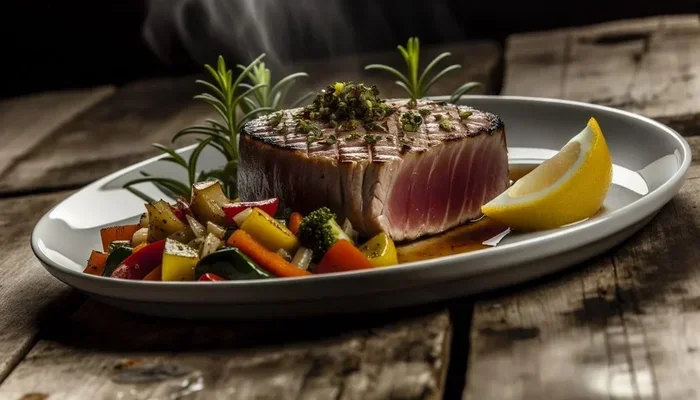
When you slice into a perfectly cooked tuna steak, the center should be a deep rosy pink. Not brown, not bright red, and certainly not gray. That pink color tells you the fish is moist and tender. If it looks dull or brown throughout, it has been in the oven too long.
Keep in mind that the color will continue to deepen slightly as the steak rests. So if you pull it out when the center looks almost raw, it will reach the perfect pink shade after those 5 minutes of resting.
Common Mistakes People Make When Cooking Tuna Steak in the Oven
Even experienced cooks make errors with tuna. The fish is forgiving in some ways but unforgiving in others. Here are the most common mistakes and how to avoid them.
Using Frozen Tuna Without Proper Thawing
If you are using frozen tuna, thaw it slowly in the refrigerator overnight. Never thaw tuna at room temperature or in hot water. Quick thawing breaks down the texture and creates uneven moisture levels. When you cook partially frozen tuna, the outside overcooks before the inside thaws.
Skipping the Dry-Pat Step
Moisture is the enemy of a good sear. If you put wet tuna in the oven, it will steam instead of roast. Always pat the steak completely dry before seasoning and baking. This one simple step makes a noticeable difference in the crust.
Overcooking by Just a Few Minutes
Tuna goes from perfect to dry in a matter of minutes. Set your timer and check the steak early. It is always better to pull it out slightly underdone and let the resting period finish the job. Remember that the internal temperature will rise by about 5 degrees after you take the steak out of the oven.
Using the Wrong Pan
Dark, non-stick pans can overcook the bottom of the steak. Glass or ceramic baking dishes work better because they heat more evenly. If you only have a dark pan, elevate the steak on a wire rack to promote airflow underneath.
Not Letting the Steak Come to Room Temperature
This is a small step that makes a huge impact. Cold tuna straight from the fridge cooks unevenly. The outside overcooks while the center stays too cold. Taking the steak out 15 to 20 minutes before baking ensures more uniform cooking throughout.
Serving Suggestions and Perfect Pairings
A great tuna steak deserves great sides. The fish has a clean, slightly metallic flavor that pairs well with bright, fresh ingredients. You want sides that complement without overwhelming the star of the plate.
Best Side Dishes for Tuna Steak
- Roasted asparagus: The slight bitterness balances the richness of the tuna perfectly.
- Garlic butter rice: A light, fluffy rice soaks up any juices left on the plate.
- Mixed greens salad: Arugula with lemon vinaigrette adds a peppery freshness that cuts through the fish.
- Grilled zucchini: Simple and healthy, with a char that echoes the sear on the tuna.
- Mango salsa: The sweetness and acidity of fresh mango, red onion, and cilantro create a vibrant topping.
Sauces That Elevate Tuna Steak
A drizzle of sauce at the end takes your tuna steak to the next level. A classic ponzu sauce, made from soy sauce, citrus juice, and mirin, adds a tangy umami punch. A creamy wasabi mayo gives a subtle heat that pairs beautifully with the mild tuna. For something lighter, a chimichurri sauce made with fresh parsley, garlic, olive oil, and red wine vinegar is hard to beat.
For a Mediterranean feel, try a tzatziki sauce. The cool, creamy yogurt with cucumber and dill provides a refreshing contrast to the warm, savory fish. Any of these sauces can be made in under five minutes while the tuna rests.
Expert Tips for the Juiciest Tuna Steak Every Time
Here are some pro-level tips that separate a good tuna steak from a great one. These small details make all the difference.
- Buy sashimi-grade tuna. This is the safest and best-tasting option for oven-baked tuna. Sashimi-grade fish has been frozen at very low temperatures to kill parasites, making it safe to eat even when the center is barely cooked.
- Do not overcrowd the pan. If you are cooking multiple steaks, give each one space. Crowding traps steam and prevents even browning.
- Sear before baking for extra crust. For an even more restaurant-style result, sear both sides of the tuna in a hot skillet for 30 seconds each, then transfer to the oven to finish cooking. This adds a deep, caramelized exterior that is absolutely delicious.
- Use a wire rack. Placing the steak on a wire rack set inside a baking sheet allows hot air to circulate around the entire fish. This promotes even cooking and a better crust on the bottom.
- Experiment with wood-fired flavor. If you have a wood-fired oven or a pizza stone, place the tuna on the hot stone for the last 2 to 3 minutes. This adds a subtle smoky flavor that is incredible with tuna.
- Slice against the grain. When serving, cut the tuna against the direction of the muscle fibers. This makes each slice more tender and easier to chew.
Frequently Asked Questions About Cooking Tuna Steak in the Oven
Can you cook tuna steak straight from the freezer in the oven?
It is not recommended. Cooking tuna steak from frozen leads to uneven results. The outside overcooks while the center remains frozen. Always thaw tuna steak in the refrigerator overnight for the best outcome. If you are in a pinch, place the sealed fish in cold water for 20 to 30 minutes, but fridge thawing is always the superior method.
What is the best internal temperature for tuna steak?
For a juicy, restaurant-quality result, aim for an internal temperature of 125°F to 130°F. This gives you a medium-rare steak with a warm, pink center. Some people prefer it at 135°F for medium, but going above 140°F will dry out the fish significantly. Always use a meat thermometer for accuracy.
How long should tuna steak rest after cooking?
Let the tuna steak rest for at least 5 minutes after removing it from the oven. During cooking, the juices concentrate in the center. Resting allows them to spread evenly, so every bite is moist and flavorful. Place the steak on a warm plate and cover it loosely with aluminum foil to keep it warm without trapping too much steam.
Can you reuse leftover cooked tuna steak?
Absolutely. Leftover tuna steak makes a fantastic salad topping, a filling for wraps, or a protein addition to poke bowls. Store it in an airtight container in the refrigerator for up to two days. Reheat gently in a warm pan for just 30 seconds per side, or eat it cold in salads. The flavor actually improves as the seasonings meld overnight.
Is it safe to eat tuna steak with a pink center?
Yes, as long as you are using sashimi-grade or sushi-grade tuna. This grade of fish has been processed to be safe for raw or barely cooked consumption. If you are unsure about the grade of your tuna, cook it to an internal temperature of 145°F to be safe. However, fully cooking tuna steak removes the delicate texture that makes it special.
How do you get a crust on tuna steak in the oven?
The secret is a hot oven and a dry surface. Pat the steak completely dry before seasoning. Use a temperature of 425°F or higher. A light brush of olive oil helps the seasoning adhere and promotes browning. For an extra-crispy crust, preheat your baking sheet in the oven before placing the steak on it. The instant contact with the hot surface kickstarts the browning process immediately.
Final Thoughts on Cooking Tuna Steak in the Oven
Cooking tuna steak in the oven is one of the easiest ways to enjoy this delicious fish at home. The key to success is understanding how long to cook tuna steak in oven and respecting the delicate nature of the protein. With the right temperature, the right timing, and a little attention, you can serve a tuna steak that rivals anything on a restaurant menu.
Remember to start with quality fish, pat it dry, season it well, and keep a close eye on the clock. The difference between a perfect tuna steak and a disappointing one often comes down to just two or three minutes. Use a meat thermometer, let the steak rest, and serve it with vibrant sides that complement its clean, fresh flavor.
Once you master the basics, you will find yourself experimenting with marinades, spice blends, and serving styles. Tuna steak is endlessly versatile, and the oven gives you the consistency and control you need to get it right every time. So preheat that oven, grab a fresh tuna steak, and get cooking. Your next juicy, perfect tuna steak is just minutes away.