How To Cook Flounder Filet In The Oven Step By Step
Learn how to cook flounder filet in the oven with this complete step-by-step guide. You will discover the best oven temperature, seasoning tips, and cooking times for perfectly baked flounder. Baking flounder is simple, healthy, and incredibly delicious when done right. This oven-baked fish recipe works for beginners and busy weeknight dinners alike.
Baking flounder filet in the oven is one of the easiest and most satisfying ways to prepare fish at home. How to cook flounder filet in the oven is a question many home cooks ask, and the answer is simpler than you might think. This delicate white fish cooks quickly and absorbs flavors beautifully, making it a perfect canvas for creative seasonings.
Whether you are a seasoned cook or just starting out, oven-baked flounder is a dish you can master in minutes. Baked flounder requires minimal prep, a few simple ingredients, and a reliable oven. In this guide, we walk you through every step of the process so you get perfectly cooked flounder fillets every single time.
Cooking fish in the oven has many advantages. It keeps the kitchen cool, requires little cleanup, and produces consistently moist results. Flounder fish is especially well-suited for oven baking because of its thin, delicate texture. Let us dive into everything you need to know about how to cook flounder filet in the oven like a pro.
Key Takeaways
- Perfect Temperature: Bake flounder at 400°F for a crispy exterior and tender, flaky interior.
- Simple Ingredients: You only need a few pantry staples to make delicious oven-baked flounder.
- Quick Cooking Time: Most flounder fillets cook in just 12 to 15 minutes, making it ideal for weeknights.
- Avoid Overcooking: The key to great baked flounder is pulling it out as soon as it flakes easily.
- Versatile Recipe: You can customize your flounder recipe with different herbs, spices, and toppings.
- Healthy Choice: Oven-baked white fish is a low-fat, high-protein dinner option the whole family will love.
📑 Table of Contents
- Why Oven-Baked Flounder Is a Great Choice
- What You Need Before You Start
- Step-by-Step Instructions for Baking Flounder
- Tips for Perfect Oven-Baked Flounder Every Time
- Common Mistakes to Avoid When Baking Flounder
- Serving Suggestions for Baked Flounder
- Expert Insights on Baking Flounder
- Frequently Asked Questions
- Conclusion
Why Oven-Baked Flounder Is a Great Choice
Flounder is a mild, slightly sweet white fish that is popular in many coastal regions. Its thin fillets cook fast and pair well with almost any flavor profile. When you bake flounder in the oven, you get a tender, flaky texture without the mess or splatter of stovetop cooking.
Many people avoid cooking fish at home because they worry about strong odors or complicated techniques. Oven-baked seafood solves both of those problems. The enclosed oven keeps cooking smells contained, and the process is nearly foolproof.
Here are some reasons why oven-baked fish is a fantastic dinner option:
- Healthy and lean: Flounder is low in fat and high in protein, making it a nutritious healthy fish dinner choice.
- Quick preparation: Most flounder filets are ready in under 20 minutes from start to finish.
- Minimal equipment needed: You only need a baking sheet, parchment paper, and your oven.
- Easy to scale: The recipe works just as well for two servings as it does for a family of six.
- Versatile flavors: You can experiment with different flounder seasoning blends to keep meals exciting.
The Health Benefits of Baked Flounder
Flounder is not just tasty; it is also packed with nutritional benefits. It is a great source of lean protein, which helps build and repair muscle tissue. Unlike fried fish, baked flounder retains its natural nutrients without adding extra grease or calories.
White fish like flounder also provides essential omega-3 fatty acids, which support heart and brain health. Baking is one of the best fish cooking methods for preserving these beneficial fats. It is a win-win for flavor and nutrition when you learn how to cook flounder filet in the oven properly.
What You Need Before You Start
Before you start baking flounder in the oven, gather your ingredients and tools. Having everything ready makes the process smooth and enjoyable. Cooking fish in the oven goes best when you are organized and prepared.
Ingredients for Perfect Baked Flounder
You do not need a long grocery list for oven-baked flounder. Here are the essentials:
- Fresh or thawed flounder fillets (about 4 to 6 ounces each)
- Olive oil or melted butter for coating
- Garlic (fresh or minced from a jar)
- Lemon for juice and zest
- Salt and black pepper to taste
- Fresh herbs like parsley, dill, or thyme
- Paprika for a subtle smoky flavor
- Butter for a rich, glossy finish
Tools You Will Need
You do not need fancy kitchen equipment for baking fish in the oven. Here is what works best:
- Baking sheet or oven-safe dish
- Parchment paper or aluminum foil for easy cleanup
- Small mixing bowl for the seasoning blend
- Pastry brush to coat the fillets evenly
- Instant-read thermometer to check internal temperature
- Spatula for gentle flipping and serving
Choosing the Best Flounder Fillets
When buying flounder fillets for oven-baked fish, look for fillets that are bright and translucent with no strong fishy smell. The flesh should be firm but springy to the touch. If buying frozen, make sure to thaw the fillets completely in the refrigerator overnight before cooking flounder in the oven.
Thin fillets work best for oven baking because they cook evenly and quickly. If your flounder filets are thick, you can gently butterfly them or adjust the cooking time. Fresh flounder fish from a reputable fish market will always give you the best results for how to cook flounder filet in the oven.
Step-by-Step Instructions for Baking Flounder
Now that you have everything ready, it is time to learn how to cook flounder filet in the oven step by step. This flounder recipe is straightforward and almost impossible to mess up.
Step 1: Preheat Your Oven
Start by preheating your oven to 400°F (200°C). This is the ideal oven temperature for fish because it cooks the fillets quickly while creating a light, golden crust. A hot oven is essential for crispy baked fish that stays moist inside.
While the oven heats up, line your baking sheet with parchment paper. This prevents the fillets from sticking and makes cleanup a breeze. Parchment paper is a simple trick that every home cook should use for oven-baked seafood.
Step 2: Prepare the Flounder Fillets
Pat the flounder fillets dry with paper towels. This step is important because moisture on the surface creates steam, which prevents the fish from getting crispy. Dry fillets brown better and develop a nicer texture when baking fish in the oven.
Place the fillets on the prepared baking sheet. If the fillets are different sizes, arrange the thicker pieces toward the back of the sheet so they cook more evenly. Leave a small gap between each fillet to allow hot air to circulate around the delicate fish fillets.
Step 3: Season the Flounder
Brush both sides of each fillet lightly with olive oil or melted butter. This thin layer helps the seasoning adhere and keeps the fish moist during cooking. Flounder seasoning can be as simple or as creative as you like.
Here is a basic seasoning blend for oven-baked flounder:
- 1/2 teaspoon salt
- 1/4 teaspoon black pepper
- 1/2 teaspoon garlic powder
- 1/4 teaspoon paprika
- Zest of half a lemon
- 1 tablespoon fresh chopped parsley
Sprinkle the seasoning evenly over both sides of the fillets. For extra flavor, drizzle a few drops of lemon juice over the top. Fresh herbs make a big difference in the final taste of your baked flounder.
Step 4: Bake the Flounder
Place the baking sheet on the middle rack of your preheated oven. Cooking flounder in the oven typically takes 12 to 15 minutes at 400°F. The exact flounder cooking time depends on the thickness of your fillets.
Here is a quick reference guide for flounder cooking time:
- Thin fillets (1/4 inch): 10 to 12 minutes
- Medium fillets (1/2 inch): 12 to 15 minutes
- Thick fillets (3/4 inch): 15 to 18 minutes
Set a timer so you do not forget about the fish. Baked flounder can go from perfectly done to overcooked very quickly. The goal is tender, flaky fish that is not dried out.
Step 5: Check for Doneness
The best way to tell if oven-baked flounder is done is by checking its internal temperature. Insert an instant-read thermometer into the thickest part of the fillet. The fish is ready when it reaches 145°F (63°C).
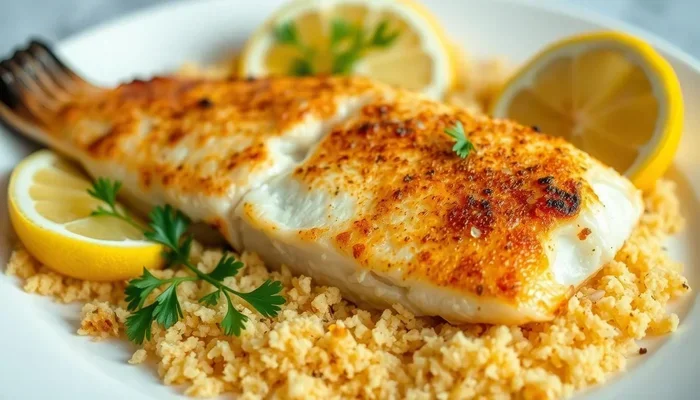
You can also check for doneness by gently pressing the center of the fillet with your finger. Properly cooked flounder filets should feel firm but still yield slightly. The flesh should be opaque white and flake easily with a fork.
Another visual cue is the color. Well-cooked white fish baking turns from translucent to opaque white throughout. If the center still looks slightly translucent, give it another one or two minutes in the oven.
Step 6: Serve Immediately
Remove the baking sheet from the oven and let the fillets rest for about two minutes. This brief rest allows the juices to redistribute, making the oven-baked fish even more tender and flavorful. Use a spatula to transfer the fillets to serving plates.
Serve your baked flounder right away while it is hot and crispy. How to cook flounder filet in the oven is only half the battle; serving it well makes the whole experience special.
Tips for Perfect Oven-Baked Flounder Every Time
Even though baking fish in the oven is simple, a few pro tips can elevate your results from good to outstanding. These baking fish tips come from years of experience with oven-baked seafood.
Use Parchment Paper or Foil
Lining your baking sheet is a game-changer for oven-baked flounder. Parchment paper prevents sticking and promotes even browning. If you prefer a more rustic presentation, you can also bake the fillets on a bed of sliced lemons or fresh herbs directly on the sheet.
Do Not Overcrowd the Pan
Give each fillet enough space on the baking sheet. Overcrowding traps steam and creates soggy fish instead of crispy baked flounder. If you are cooking a large batch, use two baking sheets and rotate them halfway through the flounder cooking time.
Add Flavor with a Topping
For extra flavor, add a small pat of butter or a drizzle of lemon butter sauce on top of each fillet during the last few minutes of baking. You can also top the flounder recipe with breadcrumbs for a crunchy texture that pairs beautifully with the tender fish inside.
Let the Fish Rest
Resting the fish for a couple of minutes after removing it from the oven makes a noticeable difference in texture and juiciness. This small step is often overlooked but is essential for perfectly cooked flounder fillets.
Experiment with Different Flavors
One of the best things about how to cook flounder filet in the oven is how adaptable it is. Try these flavor variations:
- Mediterranean style: Top with olives, capers, tomatoes, and fresh oregano
- Asian-inspired: Use soy sauce, ginger, and sesame oil with a sprinkle of sesame seeds
- Buttery herb: Combine melted butter with garlic, thyme, and a squeeze of lemon
- Spicy kick: Add cayenne pepper and smoked paprika to your seasoning blend
Common Mistakes to Avoid When Baking Flounder
Even experienced cooks make mistakes with oven-baked fish. Knowing what to avoid helps you get better results every time you cook flounder in the oven.
Overcooking the Fish
The most common mistake with baked flounder is cooking it too long. Delicate fish fillets like flounder dry out quickly once they pass the ideal temperature. Always check the fish a couple of minutes before the recommended flounder cooking time ends.
Remember that the fillets continue to cook slightly after you remove them from the oven. This carryover cooking means you should pull the fish out just before it reaches the target temperature of 145°F.
Skipping the Dry Step
Many people skip patting the fillets dry before seasoning. This is a big mistake for crispy baked fish. Surface moisture creates steam, which prevents the fillets from developing a nice golden crust. Always dry your flounder filets thoroughly before seasoning and baking.
Using the Wrong Oven Temperature
Baking flounder filets at too low a temperature causes them to steam instead of bake. This results in a mushy texture rather than the desired flaky, firm result. Conversely, too high a temperature can burn the outside before the inside is cooked through. 400°F is the sweet spot for oven-baked fish.
Not Seasoning Enough
Flounder has a mild flavor that benefits from generous seasoning. Some people are too timid with salt and spices, resulting in bland fish. Season both sides of the fillets well, and do not be afraid to taste and adjust your flounder seasoning blend.
Using a Dirty or Unprepared Pan
Skipping the parchment paper or failing to grease the baking sheet leads to stuck and broken fillets. Flounder is delicate and will stick to bare metal. Always prepare your pan properly for healthy fish dinner success.
Quick Tips for Success
- Always preheat the oven before placing the fish inside.
- Use a thermometer to check the internal temperature of the fillet.
- Let the flounder rest for two minutes after baking.
- Keep a close eye on the fillets during the last few minutes of cooking.
- Fresh herbs and lemon juice elevate the flavor of any oven-baked flounder recipe.
Serving Suggestions for Baked Flounder
How to cook flounder filet in the oven is only part of the equation. Serving it with the right sides turns a simple baked fish dinner into a memorable meal.
Oven-baked flounder pairs wonderfully with a variety of sides. Here are some ideas to complete your plate:
- Roasted vegetables: Asparagus, zucchini, and cherry tomatoes roasted in the same oven
- Rice pilaf: A light lemon herb rice complements the mild flavor of baked flounder
- Mashed potatoes: Creamy mashed potatoes are a classic pairing for white fish baking
- Fresh salad: A light green salad with vinaigrette adds freshness to the meal
- Steamed green beans: Simple and healthy, steamed green beans with a squeeze of lemon
For a complete healthy fish dinner, serve the flounder fillets with a side of quinoa and roasted seasonal vegetables. The combination is light, nutritious, and satisfying without being heavy.
Sauces That Complement Baked Flounder
The right sauce can transform your oven-baked seafood into a restaurant-quality meal. Try these easy sauces with your baked flounder:
- Lemon butter sauce: Melt butter with lemon juice, garlic, and a pinch of capers
- Tartar sauce: A classic pairing for any baked fish dish
- Garlic aioli: Mayonnaise mixed with roasted garlic and a dash of lemon
- Herb yogurt sauce: Greek yogurt with fresh dill, chives, and a touch of salt
Drizzle the sauce over the fillets just before serving or offer it on the side for dipping. A good sauce adds moisture and flavor to oven-baked flounder that is hard to resist.
Expert Insights on Baking Flounder
Professional chefs and home cooking experts agree that baking flounder in the oven is one of the most reliable methods for preparing delicate fish. The key is controlling temperature and timing carefully.
Chef Maria Torres, a seafood specialist with over 15 years of experience, shares this advice: “The secret to perfect baked flounder is not overcooking it. Flounder is thin and delicate, and it tells you when it is done by how easily it flakes. Trust the fish and pull it out when it is just barely done.”
Another expert tip from culinary instructor James Lee: “Always bring your flounder filets to room temperature before baking. Cold fish placed in a hot oven cooks unevenly, with the edges overcooking before the center is done. Letting the fish sit out for 10 to 15 minutes makes a real difference in oven-baked fish quality.”
When it comes to how to cook flounder filet in the oven, these small details separate good results from great ones. Paying attention to temperature, timing, and resting makes every batch of baked flounder better than the last.
Frequently Asked Questions
What is the best temperature to cook flounder in the oven?
The best temperature to cook flounder in the oven is 400°F (200°C). This high heat cooks the fillets quickly while creating a light golden crust on the outside. Oven-baked flounder at this temperature stays moist and flaky inside without drying out. Most flounder fillets are done in 12 to 15 minutes at this heat.
How long does it take to bake flounder filets in the oven?
Baked flounder typically takes 12 to 15 minutes at 400°F, depending on the thickness of the fillets. Thin fillets may be ready in as little as 10 minutes, while thicker pieces may need up to 18 minutes. Always check for doneness by looking for opaque, flaky flesh and an internal temperature of 145°F.
Can I use frozen flounder fillets for oven baking?
Yes, you can bake frozen flounder filets, but it is best to thaw them first for even cooking. Place the frozen fillets in the refrigerator overnight to thaw safely. If you are in a hurry, you can use the cold water thawing method. Cooking frozen flounder in the oven will add extra minutes to the flounder cooking time.
How do I know when baked flounder is done?
Oven-baked flounder is done when the flesh turns opaque white and flakes easily with a fork. The internal temperature should reach 145°F (63°C) when measured with an instant-read thermometer. The fish should look moist and tender, not dry or chalky. When in doubt, check a few minutes early and add more time if needed.
What are the best seasonings for baked flounder?
Flounder seasoning can be as simple or creative as you like. Classic combinations include lemon and garlic, fresh herbs like dill or parsley, and a touch of paprika for color. For a Mediterranean-style baked flounder, try olives, capers, and sun-dried tomatoes. The mild flavor of flounder fish absorbs seasonings beautifully, so feel free to experiment.
Is baked flounder healthy?
Yes, oven-baked flounder is one of the healthiest ways to prepare fish. Baking does not add extra fats or oils like frying does. Flounder is naturally low in calories and fat while being high in lean protein and essential nutrients. A healthy fish dinner of baked flounder with vegetables makes for a balanced and nutritious meal the whole family can enjoy.
Conclusion
How to cook flounder filet in the oven is a skill that anyone can learn and enjoy. Baked flounder is quick, healthy, and incredibly delicious when prepared with care. From preheating the oven to seasoning the fillets and checking for doneness, every step is simple and rewarding.
Oven-baked flounder is a versatile white fish baking option that works for busy weeknights and special occasions alike. With the right oven temperature for fish, a few quality ingredients, and attention to timing, you will serve up perfectly cooked flounder fillets every time.
Remember the key points: dry your fillets before seasoning, use 400°F as your baking temperature, keep an eye on the flounder cooking time, and never skip the resting period. These baking fish tips will help you avoid common mistakes and achieve consistently great results.
Now that you know how to cook flounder filet in the oven, it is time to put your knowledge into action. Gather your ingredients, preheat the oven, and enjoy the satisfying process of creating a beautiful fish dinner at home. Your family and guests will love every bite of your crispy baked fish and tender, flaky flounder filets.