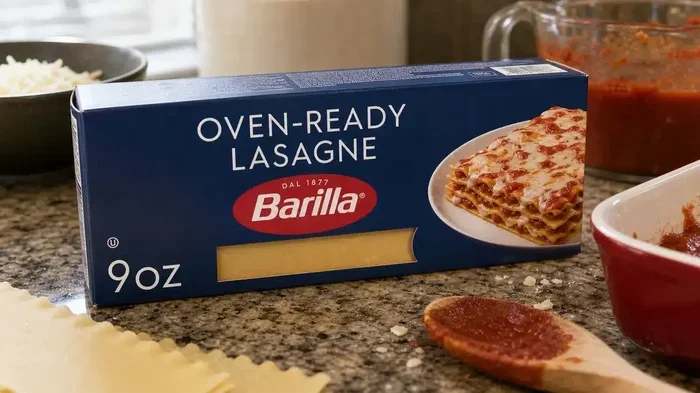
How To Cook Oven Ready Lasagna Noodles The Easy Way
Learn how to cook oven ready lasagna noodles the easy way with this complete guide. You will discover simple steps, expert tips, and mouthwatering recipes that make oven ready lasagna noodles a kitchen essential. Whether you are a beginner or a seasoned cook, these methods guarantee delicious results every time.
Making lasagna at home does not have to be a complicated chore. If you have ever stood over a pot of boiling water, waiting for oven ready lasagna noodles to soften, you already know the frustration. The good news is that no-boil lasagna noodles have changed the game completely. They let you skip the boiling step and jump right into building a beautiful, layered dish.
This guide walks you through everything you need to know about cooking oven ready lasagna noodles. From basic techniques to pro tips, you will find practical advice that makes the whole process simple and fun. By the end, you will feel confident enough to bake a perfect lasagna recipe any night of the week.
Key Takeaways
- Oven ready lasagna noodles save time: Skip the boiling step and go straight to assembly for a faster meal prep.
- No-boil noodles work perfectly: They absorb sauce and bake into tender, flavorful layers without any pre-cooking.
- Proper layering matters: Getting the order right ensures every bite has the right balance of pasta, sauce, and cheese.
- Common mistakes are easy to avoid: Not enough sauce and wrong oven temperature are the top pitfalls to watch out for.
- You can freeze lasagna made with these noodles: This makes them ideal for meal prep and feeding a crowd.
- They work in any lasagna recipe: Swap them in for regular noodles in almost any cheese lasagna or meat lasagna recipe.
📑 Table of Contents
What Are Oven Ready Lasagna Noodles
Oven ready lasagna noodles are pre-formed pasta sheets designed to bake directly in the oven. They do not need to be boiled or pre-cooked before you assemble your dish. Think of them as a shortcut that still delivers the same great taste and texture as traditional lasagna noodles.
These noodles are also commonly called no-boil lasagna noodles. They are sold dried in most grocery stores, right next to the regular pasta aisle. Brands like Barilla, De Cecco, and Trader Joe’s all carry popular versions. You can find them in flat sheets or no-boil pasta sheets that look slightly thicker than boiled varieties.
How They Work
The secret behind oven ready lasagna noodles is their special coating. During manufacturing, the noodles get a light layer that helps them absorb liquid slowly as they bake. As your lasagna layers heat up in the oven, the sauce, cheese, and other liquids soak into the noodles. This gradual absorption makes them tender and fully cooked by the time your oven-baked lasagna is done.
Unlike pre-boiled noodles that can turn mushy if you overcook them, oven ready noodles hold their shape well. They give you more control over the final texture of your Italian baked pasta dish. This is one reason why so many home cooks prefer them for weeknight dinners and holiday meals alike.
How To Cook Oven Ready Lasagna Noodles The Easy Way
Cooking oven ready lasagna noodles is simpler than you might think. Since they go straight from the box to the baking dish, the real “cooking” happens inside the oven. But there are a few key steps that make all the difference between a dry, crunchy lasagna and a creamy, perfectly baked one.
Step One: Gather Your Ingredients
Before you start, make sure you have everything ready. Here is what you typically need for a classic cheese lasagna:
- Oven ready lasagna noodles — enough to cover the bottom of your dish in layers
- Marinara sauce or your favorite pasta sauce — about 24 to 32 ounces
- Ricotta cheese — one full container (15 ounces works great)
- Mozzarella cheese — shredded, about 2 cups
- Parmesan cheese — grated, about half a cup
- Ground beef or Italian sausage — one pound, cooked and drained
- Egg — one large, mixed into the ricotta for binding
- Italian seasoning, salt, and pepper to taste
Step Two: Prepare Your Sauce and Filling
Start by heating your marinara sauce in a large skillet over medium heat. If you are using ground beef, cook it first, then add the sauce. Let it simmer for about 10 minutes so the flavors meld together. The sauce should be slightly more liquid than you would normally serve on pasta. This extra moisture helps the oven ready noodles cook evenly.
In a separate bowl, mix the ricotta cheese with the egg, half the mozzarella, and a pinch of salt and pepper. This creamy mixture becomes the heart of your cheese lasagna filling. Stir it until smooth and spreadable.
Step Three: Assemble the Lasagna
Spread a thin layer of sauce on the bottom of a 9×13-inch baking dish. This prevents the noodles from sticking. Then lay down your first layer of oven ready lasagna noodles, slightly overlapping if needed. Add a layer of ricotta mixture, followed by a layer of sauce and a sprinkle of mozzarella and Parmesan.
Repeat the layers two or three more times. Always end with a generous layer of sauce and cheese on top. This top layer of cheese sauce and marinara sauce creates a beautiful golden crust during baking.
Step Four: Bake and Rest
Cover the dish tightly with aluminum foil. Bake at 375°F for about 25 minutes. Then remove the foil and bake for another 15 to 20 minutes until the top is bubbly and golden brown. The total cooking time is usually around 45 minutes.
Here is a crucial tip: let the lasagna rest for 15 minutes after you take it out of the oven. This resting period allows the lasagna layers to set. It makes slicing much easier and keeps each portion holding together beautifully.
Quick Tips for Success
- Do not skip the resting time. Cutting too early leads to a soupy mess.
- Use enough sauce. Oven ready noodles need extra liquid to cook through properly.
- Check for doneness. A knife should slide easily through the noodles when they are fully cooked.
- Add extra sauce if needed. If the top looks dry after baking, spoon a little more sauce over it and return to the oven for 5 minutes.
How To Assemble Your Lasagna With No-Boil Noodles
Lasagna assembly is where the magic happens. With oven ready noodles, the process is a bit different from using traditional boiled noodles. Understanding the right order and technique ensures every layer turns out perfectly.
The Right Order for Layering
The best layered pasta assembly follows a simple pattern:
- Thin layer of sauce on the bottom
- First layer of oven ready lasagna noodles
- Ricotta mixture spread evenly
- Meat sauce or additional marinara sauce
- Shredded mozzarella cheese
- Repeat layers 2 to 3 times
- Top with sauce, cheese, and a final sprinkle of Parmesan
This pattern works for both meat lasagna and vegetable lasagna. The key is to make sure each noodle layer gets covered with enough filling. Gaps or thin spots can lead to dry, crispy noodles that no one wants to eat.
How Many Layers Should You Make
Most cheese lasagna recipes call for three to four noodle layers. This gives you enough structure without making the lasagna too thick. A 9×13 dish typically fits about three full layers comfortably. If you use a deeper dish, you can fit four layers, but make sure each one is not too thick.
For a frozen lasagna that you plan to store and reheat, three layers work best. They heat through evenly and keep the texture consistent from the first slice to the last.
Tips For Perfect Oven Ready Lasagna Every Time
Even though oven ready lasagna noodles are designed to be simple, small details can make a big difference. These tips come from experienced home cooks and professional chefs who know how to get the best results.
Make Sure Your Sauce Is Thin Enough
This is the single most important tip. Oven ready noodles need plenty of liquid to cook properly. If your marinara sauce is too thick, the noodles may stay hard in the center. You can thin your sauce with a splash of water or chicken broth before assembling. This extra liquid turns into steam during baking, which gently cooks the noodles from within.
Do Not Overlap Noodles Too Much
While a slight overlap is fine, too much stacking creates thick, doughy spots. Lay the noodles down in a single, mostly flat layer. If a noodle hangs over the edge of the dish, just fold it in slightly. This keeps the lasagna layers even and ensures consistent cooking throughout.
Let the Oven Preheat Fully
Always preheat your oven to the correct oven temperature before placing the dish inside. A fully heated oven ensures the noodles start absorbing liquid right away. Putting a cold dish into a cold oven leads to uneven cooking and can leave you with hard noodle edges.
Use a Deep Dish for Extra Sauce
If you love saucy lasagna, use a deeper baking dish. This gives you room for extra sauce between the layers. The additional moisture is exactly what oven ready noodles need to reach that perfect tender texture. A deep 9×13 or a square 8×8 dish both work wonderfully.
Add Cheese Between Every Layer
Cheese does more than add flavor. It helps bind the layers together as the oven-baked lasagna sets. The melted mozzarella acts like glue, holding the lasagna assembly together so each slice comes out clean and beautiful.
Common Mistakes People Make With Oven Ready Noodles
Even with the easiest noodles, mistakes can happen. Knowing what to avoid saves you from a ruined lasagna recipe and a lot of frustration.
Not Using Enough Liquid
This is the number one mistake. People treat oven ready lasagna noodles the same way they treat boiled noodles and forget that these noodles need more sauce. Without enough liquid, the noodles stay crunchy and unpleasant. Always use extra marinara sauce or a thin cheese sauce between every layer.
Overcrowding the Baking Dish
Stuffing too many noodles into one dish creates pressure. The noodles cannot expand and absorb liquid properly. They end up sticky and undercooked in the middle. Give your lasagna layers room to breathe for the best results.
Skipping the Resting Period
Cutting into hot lasagna right out of the oven is tempting. But the noodles need time to set. That 15-minute rest lets the cheese sauce and ricotta cheese firm up. Without it, your beautiful layered pasta falls apart on the plate.
Using Old or Expired Noodles
Check the expiration date on your lasagna noodles before you start. Old noodles may not absorb liquid properly, even if they look fine. Fresh, unopened packages give you the most reliable results every time.
Opening the Oven Too Often
Every time you open the oven door, heat escapes. This disrupts the baking process and can lead to unevenly cooked Italian baked pasta. Trust the timer and keep that oven door closed until the last few minutes of baking.
Why Oven Ready Noodles Are A Game Changer
Oven ready lasagna noodles have become a staple in kitchens around the world, and for good reason. They transform a dish that once took over an hour into something you can pull together in 30 minutes of prep time.
They Save Precious Time
Boiling lasagna noodles can take 10 to 15 minutes on its own. With no-boil lasagna noodles, you skip that entire step. For busy weeknights or holiday gatherings, that time savings adds up fast.
They Reduce Cleanup
No big pot of boiling water means no starchy pot to scrub afterward. One baking dish, one foil cover, and you are done. The cleanup is practically nonexistent compared to traditional lasagna assembly with boiled noodles.
They Work Great for Meal Prep
Oven ready noodles make excellent frozen lasagna. You can assemble the dish, wrap it tightly, and freeze it for up to three months. When you are ready to eat, just pop it in the oven from frozen and add 15 extra minutes to the cooking time. This makes them perfect for batch cooking and feeding a family all week long.
They Deliver Consistent Results
When you boil regular noodles, the texture can vary based on how long you cook them. Oven ready noodles take the guesswork out. As long as you use enough sauce and follow the baking cooking time guidelines, you get consistent, tender results every single time.
They Open Up Creative Possibilities
Because oven ready lasagna noodles are so forgiving, you can experiment with fillings. Try a cheese lasagna with butternut squash and spinach. Or make a white lasagna with chicken and Alfredo sauce. The noodles adapt to almost any flavor profile, making them a versatile base for your favorite lasagna recipe ideas.
Conclusion
Cooking oven ready lasagna noodles is one of the easiest ways to enjoy a classic comfort food without the extra work. By skipping the boiling step and focusing on proper sauce, layering, and baking technique, you can create a stunning cheese lasagna or meat lasagna that rivals any restaurant version.
Remember the key points: use enough sauce, layer your ingredients in the right order, and always let your oven-baked lasagna rest before slicing. These simple habits make all the difference. Whether you are cooking for a family dinner, a holiday feast, or just meal prep for the week, oven ready lasagna noodles make the process faster, cleaner, and more enjoyable.
Now that you know how easy it is, grab a box of no-boil lasagna noodles and give it a try. Your family will love the results, and you will wonder why you ever bothered boiling noodles in the first place. Happy cooking!
Frequently Asked Questions
Can you boil oven ready lasagna noodles if you want to?
Yes, you can boil them if you prefer a softer texture. However, this defeats the purpose of using oven ready noodles. The whole advantage is skipping the boil and going straight to assembly. If you do boil them, reduce the cooking time to just 2 to 3 minutes so they do not turn mushy.
How do you know when oven ready lasagna noodles are fully cooked?
The noodles are done when they are tender and the lasagna is bubbling around the edges. You can test by inserting a knife into the center — it should slide through easily. The top should be golden brown and the cheese sauce should be fully melted.
Can you use oven ready noodles for a frozen lasagna?
Absolutely. Oven ready lasagna noodles work perfectly for frozen lasagna. Just make sure to use extra sauce when assembling, since frozen dishes need more moisture to thaw and cook evenly. Bake from frozen and add about 15 minutes to the normal cooking time.
What is the difference between oven ready noodles and regular lasagna noodles?
Oven ready noodles are pre-dried and designed to absorb sauce directly in the oven. Regular lasagna noodles must be boiled first until al dente, then drained and cooled before assembly. The no-boil lasagna noodles save time and reduce cleanup while still delivering great taste and texture.
Can you use oven ready noodles in a slow cooker lasagna?
Yes, you can. Oven ready lasagna noodles work in slow cookers too. Use a bit more liquid than you would for oven baking, since slow cookers retain moisture differently. Layer the noodles and filling as you would for an oven recipe, and cook on low for 4 to 6 hours for a delicious Italian baked pasta dish.
How long does baked lasagna with oven ready noodles last in the fridge?
A properly stored cheese lasagna or meat lasagna made with oven ready noodles lasts up to 5 days in the refrigerator. Store it in an airtight container or wrap the dish tightly with plastic wrap. When reheating, add a splash of water or sauce to keep the lasagna layers moist and flavorful.
=== CONCLUSION ===
Cooking oven ready lasagna noodles is a simple, time-saving skill that anyone can master. With the right sauce, proper layering, and a little patience during baking, you can serve up a beautiful, delicious lasagna recipe that the whole family will love. These no-boil lasagna noodles take the stress out of meal preparation and let you focus on what really matters — enjoying good food with the people you care about.