How To Cook Swai Fillets In The Oven Without Effort
Learning how to cook swai fillets in the oven is one of the simplest and most rewarding kitchen skills you can pick up. This guide walks you through every step, from picking the right fillets to pulling a perfectly golden batch out of your oven. You will learn the best temperatures, seasonings, and timing so your swai fish turns out juicy and flavorful every time.
There are few things in the kitchen that feel as good as pulling a perfectly baked fish fillet out of the oven. The smell fills the whole house. The texture is just right. And you did it all without a lot of fuss. If you have been looking for an easy, reliable way to make swai fillets at home, you are in the right place. This guide will show you exactly how to cook swai fillets in the oven without any headaches.
Swai fish has become one of the most popular affordable fish options in grocery stores across the country. It is mild, flaky, and pairs well with almost any flavor profile. Whether you are a beginner cook or someone who just wants a fast weeknight dinner, oven-baked swai fillets check every box. They are healthy, they are simple, and they taste wonderful. Let us dive into everything you need to know.
Key Takeaways
- Swai fillets are affordable, mild, and cook beautifully in the oven with minimal effort.
- Baking at 400°F for 12 to 15 minutes gives you crispy, flaky swai fish every time.
- Simple seasonings like garlic, lemon, and herbs elevate the flavor of baked swai fillets dramatically.
- Patting the fillets dry before baking is the single biggest secret to getting crispy skin and texture.
- Swai fish is a healthy protein choice that is low in fat and high in lean protein.
- Meal prepping swai fillets in advance makes weeknight dinners fast and stress-free.
- Pairing swai with roasted vegetables or rice creates a complete, balanced meal in one pan.
📑 Table of Contents
- What Is Swai Fish And Why It Works So Well In The Oven
- How To Prepare Swai Fillets Before They Go In The Oven
- Best Seasonings And Flavors For Oven-Baked Swai Fillets
- Step-By-Step Oven Baking Instructions For Perfect Swai Fillets
- Tips For Getting Crispy And Juicy Swai Fillets Every Time
- Serving Ideas And Meal Pairings For Baked Swai Fillets
- Health Benefits Of Eating Swai Fish
- Common Mistakes To Avoid When Baking Swai Fillets
- Expert Tips For Elevating Your Swai Fillets
- Frequently Asked Questions
- Final Thoughts On Cooking Swai Fillets In The Oven
What Is Swai Fish And Why It Works So Well In The Oven
Swai fish comes from Southeast Asia, mainly Vietnam. It belongs to the catfish family and is often sold as fillets in the frozen section of most supermarkets. The flesh is white, delicate, and mild. This makes it a great choice for people who are not big fans of strongly flavored fish.
One of the biggest reasons baked swai fillets work so well is the texture. Swai has a naturally soft, flaky structure that responds beautifully to oven heat. Unlike some fish that can dry out quickly, swai stays moist when you keep an eye on the cooking time. It also absorbs seasonings really well, which means your fillets will taste fantastic with very little effort.
Why Swai Is A Budget-Friendly Fish Option
Let us talk about price. Swai is one of the most affordable fish proteins you can buy. A pound of swai fillets often costs less than most fresh salmon or tilapia. This makes it perfect for families, meal preppers, or anyone watching their grocery budget. You get a nutritious, high-protein meal without spending a lot of money.
Another advantage is availability. You can find swai fish fillets year-round in most stores. They are usually sold in the frozen section but sometimes appear fresh as well. Frozen swai fillets work just as well for oven baking, so you can stock up and have dinner ready on short notice.
Swai Vs Other Popular White Fish
People often compare swai to tilapia, cod, and catfish. Here is a quick look at how they stack up for oven cooking:
- Swai: Very mild, soft texture, affordable, cooks fast in the oven.
- Tilapia: Similar mildness, slightly firmer, also budget-friendly.
- Cod: Firmer texture, more pronounced flavor, a bit pricier.
- Catfish: Rich flavor, denser flesh, takes a little longer to bake.
For easy oven cooking, swai and tilapia are hard to beat. They both cook quickly and absorb flavors well. But swai usually wins on price, which is why so many home cooks choose it for their oven-baked swai recipes.
How To Prepare Swai Fillets Before They Go In The Oven
Proper preparation is the key to great results. The good news is that prepping swai fillets takes only a few minutes. Follow these steps and you will be on your way to a delicious meal.
Step One: Thaw The Fillets Properly
If your swai fillets are frozen, thaw them before baking. The best method is to place them in the refrigerator the night before. Put the sealed package on a plate or in a bowl to catch any moisture. By morning, the fillets will be fully thawed and ready to go.
You can also thaw them quickly by placing the sealed bag in cold water. Change the water every 20 minutes. Most frozen swai fillets will thaw within one hour using this method. Never use warm or hot water, as it can affect the texture of the fish.
Step Two: Pat The Fillets Dry
This is the step most people skip, but it makes a huge difference. Use a clean paper towel and gently press the top and bottom of each fillet. Removing surface moisture helps the fillets get crispy in the oven. It also helps the seasoning stick better to the surface of the swai fish.
Step Three: Check For Bones And Skin
Most swai fillets sold in stores are boneless, but it is always smart to double-check. Run your fingers along the fillet and feel for any tiny pin bones. Use clean tweezers or pliers to pull them out if you find any. Some fillets come with the skin on, and some do not. Both work fine in the oven. Skin-on fillets will get crispier, while skinless ones cook a bit faster.
Step Four: Season Generously
Swai has a very mild flavor, so it needs a little help from seasonings. Do not be shy with salt, pepper, garlic, and herbs. The seasoning is what turns a plain fillet into something truly delicious. We will cover the best seasoning combinations in the next section.
Best Seasonings And Flavors For Oven-Baked Swai Fillets
The beauty of baked swai fillets is how well they take on different flavors. You can go simple or bold depending on your mood. Here are some of the best seasoning combinations to try.
The Classic Lemon Herb Approach
This is the most popular way to season swai fish for the oven. It is light, fresh, and incredibly easy. Here is what you need:
- Two tablespoons of olive oil
- One tablespoon of fresh lemon juice
- Two cloves of garlic, minced
- One teaspoon of dried dill or parsley
- Half a teaspoon of salt
- A quarter teaspoon of black pepper
Mix the olive oil and lemon juice together in a small bowl. Add the garlic, herbs, salt, and pepper. Brush the mixture over both sides of the fillets. Place them on a lined baking sheet and bake at 400°F. This combination brings out the natural sweetness of the swai without overpowering it.
The Spicy Cajun Seasoning Option
If you like a little heat, Cajun seasoning is a fantastic choice for swai fillets oven recipes. You can use store-bought Cajun spice or make your own blend. A simple mix of paprika, cayenne pepper, garlic powder, onion powder, thyme, and oregano works beautifully. Rub the seasoning onto the fillets with a little olive oil and bake as usual. The spice creates a flavorful crust on the outside while keeping the inside tender.
The Asian-Inspired Ginger Soy Glaze
For something different, try an Asian-inspired glaze. Mix soy sauce, sesame oil, fresh grated ginger, and a touch of honey. Brush this onto the swai fillets during the last five minutes of baking. The result is a sticky, savory glaze that adds tons of flavor. This pairs wonderfully with steamed rice and stir-fried vegetables.
The Simple Butter And Garlic Method
Sometimes simple is best. Melt a tablespoon of butter, add a clove of minced garlic, and drizzle it over the fillets. Add a squeeze of lemon and a pinch of salt. This classic combination makes oven-baked swai taste restaurant-quality with almost no effort.
Step-By-Step Oven Baking Instructions For Perfect Swai Fillets
Now that your fillets are prepped and seasoned, it is time to bake them. Follow this straightforward process and you will get consistent, great results every single time.
Preheat Your Oven To The Right Temperature
The ideal temperature for baking swai fillets is 400°F (200°C). This temperature is hot enough to create a nice exterior while cooking the fish through without drying it out. If your oven runs hot, you can drop the temperature to 375°F. The key is to avoid temperatures above 425°F, which can cause the delicate swai fish to dry out quickly.
Line Your Baking Sheet Properly
Use a parchment paper-lined baking sheet or lightly grease a sheet pan with cooking spray. Parchment paper is the easiest option because it prevents sticking and makes cleanup a breeze. You can also use a silicone baking mat for the same effect.
Arrange The Fillets With Space Between Them
Place the swai fillets on the baking sheet with a small gap between each one. Do not stack or overlap them. Giving each fillet space allows hot air to circulate evenly. This ensures every piece cooks at the same rate and develops a consistent texture.
Bake For 12 To 15 Minutes
Set your timer for 12 minutes to start checking at that point. The exact baking time depends on the thickness of your fillets. Thinner fillets may be done in 10 to 12 minutes. Thicker pieces might need the full 15 minutes or a little more.
The fish is done when it flakes easily with a fork and the inside is opaque white all the way through. The internal temperature should reach 145°F. Use a meat thermometer if you want to be precise.
Let The Fillets Rest For A Few Minutes
Once the swai fish fillets come out of the oven, let them rest for two to three minutes. This allows the juices to redistribute throughout the fillet. Cutting into them right away can cause them to lose moisture. A short rest makes a noticeable difference in juiciness.
Quick Baking Reference Guide
Here is a quick look at the essential baking details for perfect swai:
- Oven Temperature: 400°F
- Baking Time: 12 to 15 minutes
- Fillet Thickness: Half-inch to three-quarter inch works best
- Internal Temperature: 145°F
- Doneness Signs: Opaque white color, flakes easily with a fork
- Resting Time: 2 to 3 minutes after removing from oven
Tips For Getting Crispy And Juicy Swai Fillets Every Time
Even though swai is forgiving, a few extra tips can take your results from good to amazing. These are the small details that separate average baked fish from outstanding baked fish.
Use A Light Coating Of Oil Or Butter
Adding a thin layer of oil or melted butter to the top of each fillet before baking helps create a light crispy exterior. It also prevents the fish from sticking to the pan. You do not need much, just a light brush or spray. This small step makes a big difference in texture.
Do Not Overcook The Fish
Overcooking is the most common mistake people make with swai fish in the oven. Because swai fillets are thin, they cook very quickly. Leaving them in the oven for too long turns them dry and chalky. Set a timer, check early, and pull the fillets out as soon as they are done. You can always put them back for another minute if needed, but you cannot undo overcooking.
Add A Layer Of Flavor On Top
After brushing the seasoning on, consider adding a thin slice of lemon on top of each fillet before baking. The lemon steams with the fish and adds a bright citrus note. You can also place a small pat of butter on top for extra richness. These small additions take the flavor up a notch.
Use A Wire Rack For Extra Crispiness
If you want truly crispy swai fillets, try using a wire rack placed over a baking sheet. The hot air circulates around the entire fillet, including the bottom. This gives you an evenly crispy texture on both sides. It is a small change that produces noticeably better results.
Experiment With Different Breading Options
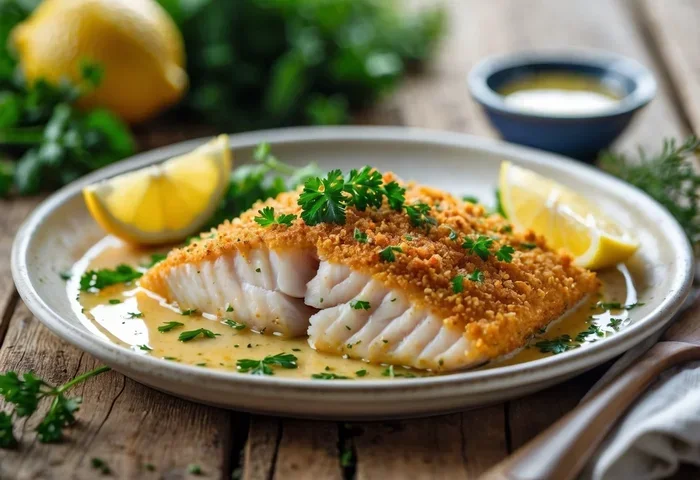
For a more textured result, try a light breading. Dip the seasoned fillets in beaten egg, then press them into a shallow dish of seasoned breadcrumbs or panko. Bake at 400°F for 15 minutes. The result is a crunchy golden crust around the tender swai fish inside. This method works wonderfully for crispy swai fillets.
Serving Ideas And Meal Pairings For Baked Swai Fillets
One of the best things about oven-baked swai is how versatile it is for serving. You can keep it simple or build a full meal around it. Here are some of the best pairing ideas.
Pair With Roasted Vegetables
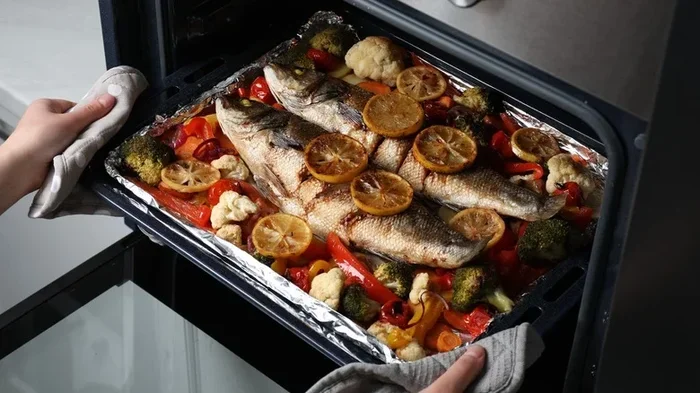
Toss some broccoli, zucchini, bell peppers, or asparagus with olive oil, salt, and pepper. Roast them on the same sheet pan as the swai fillets during the last 10 minutes of baking. Everything cooks together, and you end up with a complete meal in one pan. This is a huge time-saver on busy weeknights.
Serve Over Rice Or Quinoa
A bed of fluffy white rice or nutty quinoa makes the perfect base for baked swai fillets. The mild flavor of the fish lets the rice shine, and together they make a balanced, satisfying plate. You can also use cauliflower rice for a lower-carb option.
Add A Fresh Salad On The Side
A simple green salad with a light vinaigrette pairs beautifully with swai fish. The freshness of the salad cuts through the richness of the baked fillet. Try mixed greens, cherry tomatoes, cucumber, and a lemon-olive oil dressing for a bright, healthy meal.
Make It A Tacos Night
Flaked baked swai makes excellent fish tacos. Warm up some tortillas, add the flaked swai, and top with shredded cabbage, a squeeze of lime, and a drizzle of chipotle mayo. This is a fun, casual meal that the whole family will love. It is one of the most popular ways to serve leftover or freshly baked swai.
Meal Prep With Swai Fillets
Swai fish meal prep is incredibly easy. Bake a batch of seasoned fillets on Sunday and store them in the refrigerator for up to three days. They work wonderfully in lunches, salads, wraps, or quick dinners throughout the week. Reheating swai fillets in the oven at 300°F for five to eight minutes keeps them from drying out.
Health Benefits Of Eating Swai Fish
Beyond being affordable and delicious, swai fish offers some solid nutritional benefits. Understanding what you are eating makes the cooking experience even more rewarding.
Swai fish nutrition is impressive for a budget-friendly protein. A typical four-ounce swai fillet contains around 90 calories, 15 grams of protein, and less than two grams of fat. It is naturally low in saturated fat and contains no carbohydrates. This makes it a great choice for people following low-carb, high-protein, or calorie-conscious diets.
Swai also provides omega-3 fatty acids, though not as much as fatty fish like salmon or mackerel. Omega-3s support heart health, reduce inflammation, and may improve brain function. Even the modest amount found in swai contributes to a healthy diet.
The swai fish health benefits extend to its vitamin and mineral content. Swai contains vitamin B12, which supports nerve function and energy production. It also provides selenium, a mineral that plays a role in thyroid health and immune function. Phosphorus, another mineral found in swai, helps strengthen bones and teeth.
For people who are watching their mercury intake, swai is generally considered a low-mercury fish. This makes it a safe option for pregnant women, young children, and anyone who eats fish frequently. Always source your swai from reputable suppliers to ensure quality and safety.
Common Mistakes To Avoid When Baking Swai Fillets
Even with a simple recipe like baked swai fillets, a few common mistakes can ruin the results. Here is what to watch out for.
- Skipping the thawing step: Baking frozen swai fillets leads to uneven cooking. The outside may be overdone while the inside is still raw. Always thaw them first for the best results.
- Using too much seasoning: Swai is delicate. Heavy spice blends can mask its natural flavor. Go light and let the fish shine.
- Overcrowding the pan: Placing fillets too close together traps steam and prevents crisping. Give them space.
- Baking at too high a temperature: High heat dries out swai quickly. Stick to 400°F or lower for the juiciest results.
- Not checking for doneness early: Set a timer and check at the 10-minute mark. Every oven is different, and fillet thickness varies.
- Forgetting to rest the fish: Cutting into hot fillets right away releases moisture. Let them rest for a few minutes.
Expert Tips For Elevating Your Swai Fillets
If you want to take your swai fillets oven cooking to the next level, these expert tips are worth keeping in mind.
Brine the fillets for extra juiciness. Soak the swai in a mixture of four cups of water and one tablespoon of salt for 20 to 30 minutes before baking. This simple step helps the fish retain moisture during cooking. Rinse and pat dry before seasoning and baking.
Use fresh herbs whenever possible. Dried herbs work fine in a pinch, but fresh herbs like parsley, dill, and cilantro add a vibrant flavor that dried versions cannot match. Add fresh herbs right before serving for the best impact.
Try a glaze in the last few minutes. A glaze adds a beautiful caramelized finish. Brush the fillets with a mixture of honey, soy sauce, and garlic during the final three to four minutes of baking. Watch closely to prevent burning.
Let the seasoning sit before baking. If you have time, season the swai fillets and let them sit at room temperature for 10 to 15 minutes before baking. This allows the salt to draw out some moisture and the seasonings to penetrate the fish. The result is a more flavorful fillet from edge to center.
Frequently Asked Questions
Can You Cook Swai Fillets Directly From Frozen?
You can, but the results will not be as good. Cooking from frozen leads to uneven cooking and a higher risk of the outside drying out before the inside is done. Thawing the fillets first gives you much better texture and flavor. If you must cook from frozen, add five to seven extra minutes to the baking time and cover the pan with foil to trap moisture.
What Temperature Should Swai Fillets Be Cooked To?
The FDA recommends cooking fish to an internal temperature of 145°F. At this temperature, swai fillets are fully cooked, safe to eat, and still juicy. Use an instant-read meat thermometer inserted into the thickest part of the fillet for the most accurate reading.
How Long Can You Keep Cooked Swai Fillets In The Refrigerator?
Cooked swai fillets can be stored in an airtight container in the refrigerator for up to three days. Make sure they have cooled down before sealing them. Reheat gently in the oven at 300°F for five to eight minutes to keep the texture as close to fresh as possible.
Is Swai Fish The Same As Catfish?
Swai and catfish are related but not the same. Swai is a type of catfish from Southeast Asia, specifically the Pangasius species. American catfish is a different species with a stronger flavor and firmer texture. Both work well for oven baking, but swai is milder and more delicate.
What Is The Best Oil To Use For Baking Swai Fillets?
Olive oil is the most popular choice for baking swai. It has a mild flavor that complements the fish without overpowering it. Avocado oil is another great option because it has a high smoke point and a neutral taste. Avoid strongly flavored oils like sesame oil for the base coating, though you can use it in small amounts as part of a glaze.
Can You Add Sauce To Swai Fillets While Baking?
Yes, you can add a sauce during the last few minutes of baking. Thin sauces like a lemon butter glaze or a soy-ginger mixture work best because they have time to set and caramelize. Thick sauces applied too early can burn in the oven. Apply any sauce during the final three to five minutes for the best results.
Final Thoughts On Cooking Swai Fillets In The Oven
Learning how to cook swai fillets in the oven is a skill that pays off every single time you step into the kitchen. It is fast, it is affordable, and the results are consistently delicious. Whether you are cooking for one or feeding a family of four, oven-baked swai fillets deliver a healthy, satisfying meal with very little effort.
The key is to keep it simple. Choose good-quality fillets, season them well, bake them at the right temperature, and pull them out at the right time. Follow the tips in this guide and you will never have a dry or bland piece of swai again. The mild flavor and tender texture of this fish make it a perfect canvas for your favorite seasonings and sauces.
Start with the classic lemon herb method if you are new to baking swai. Once you feel confident, experiment with the spicy Cajun blend or the Asian-inspired glaze. The versatility of baked swai fillets means you can enjoy a different flavor profile every night of the week without ever getting bored.
So the next time you are planning dinner, grab a pack of swai fillets from the freezer aisle. Follow the steps laid out in this guide, and you will have a restaurant-quality meal on the table in less than 20 minutes. Once you start cooking swai in the oven, it will quickly become one of your go-to recipes. Happy cooking!