How To Grind Coffee Beans For Cold Brew The Right Way
Grinding coffee beans for cold brew the right way is the single most important step to achieving smooth, rich, and flavorful cold brew at home. The ideal grind size is coarse — similar to sea salt — which prevents over-extraction and bitter flavors. Whether you use a burr grinder or a blade grinder, this guide walks you through every detail you need to master the perfect cold brew grind.
Cold brew coffee has taken the coffee world by storm, and for good reason. It is smooth, less acidic, and incredibly refreshing — especially on a hot day. But here is the thing most people overlook: the way you grind your coffee beans for cold brew makes all the difference between a perfect cup and a disappointing one.
If you have ever wondered why your cold brew tastes bitter, watery, or just flat, the answer might be sitting right on your kitchen counter — your grinder. The grind size, the type of grinder you use, and even the timing of when you grind all play a huge role in the final result. This guide will show you exactly how to grind coffee beans for cold brew like a pro.
Grinding coffee beans for cold brew is not complicated, but it does require a little attention to detail. Unlike hot brewing methods that use high temperatures to extract flavor quickly, cold brew relies on time and a coarse grind to pull out the sweet, rich notes from the beans. Let us dive into everything you need to know.
Key Takeaways
- Coarse grind is essential: A coarse texture similar to sea salt ensures proper extraction and a smooth, less acidic cold brew.
- Burr grinders outperform blade grinders: They produce a more consistent particle size, which leads to better flavor balance.
- Steeping time matters: Grinding too fine or too coarse directly affects how long you should steep your cold brew concentrate.
- Freshness counts: Grind your beans just before brewing for the best aroma and flavor profile.
- Storage tips extend shelf life: Properly stored cold brew concentrate lasts up to two weeks in the refrigerator.
- Avoid common mistakes: Using pre-ground coffee or an inconsistent grind size are the top reasons cold brew turns out bitter or weak.
📑 Table of Contents
- Why Grind Size Matters So Much for Cold Brew
- Choosing the Right Coffee Grinder for Cold Brew
- Step-by-Step: How to Grind Coffee Beans for Cold Brew
- Cold Brew vs Hot Brew: How Grinding Differs
- Common Mistakes to Avoid When Grinding for Cold Brew
- Storing Your Cold Brew Concentrate the Right Way
- Expert Insights on Perfecting Your Cold Brew Grind
- Conclusion
Why Grind Size Matters So Much for Cold Brew
The grind size is the single most important factor in making great cold brew. When coffee grounds are too fine, they over-extract during the long steeping process. This leads to a bitter, harsh taste that can ruin an otherwise perfect batch. On the other hand, grounds that are too coarse will under-extract, leaving you with weak, watery coffee that tastes like plain brown water.
For cold brew, you want a coarse grind — think of the texture of sea salt or rough sand. This size allows water to flow through the grounds slowly and evenly over an extended period, extracting the pleasant flavors without pulling out the bitter compounds. Getting this balance right is what separates a good cold brew from a great one.
What Happens When You Grind Too Fine
When coffee beans are ground too finely for cold brew, the surface area increases dramatically. More surface area means more contact between water and coffee, which speeds up extraction. In a hot brewing method like espresso, this works well because the contact time is short. But in cold brew, where the coffee steeps for 12 to 24 hours, a fine grind leads to over-extraction. The result is a muddy, bitter concentrate that masks the natural sweetness of the beans.
Fine grounds also slip through most filters, making your cold brew gritty and unpleasant to drink. Nobody wants to bite into a coffee ground at the bottom of their glass.
What Happens When You Grind Too Coarse
Grinding too coarse is just as problematic, though the symptoms are different. Large particles do not extract enough flavor during the steeping phase. Your cold brew will taste thin, sour, and underwhelming. It might even smell like nothing more than scented water. The good news is that fixing an overly coarse grind is simple — just grind a little finer next time.
Choosing the Right Coffee Grinder for Cold Brew
Not all coffee grinders are created equal. The type of grinder you choose has a direct impact on the consistency of your grind, which in turn affects the flavor of your cold brew. There are two main types to consider: burr grinders and blade grinders.
Burr Grinders: The Gold Standard
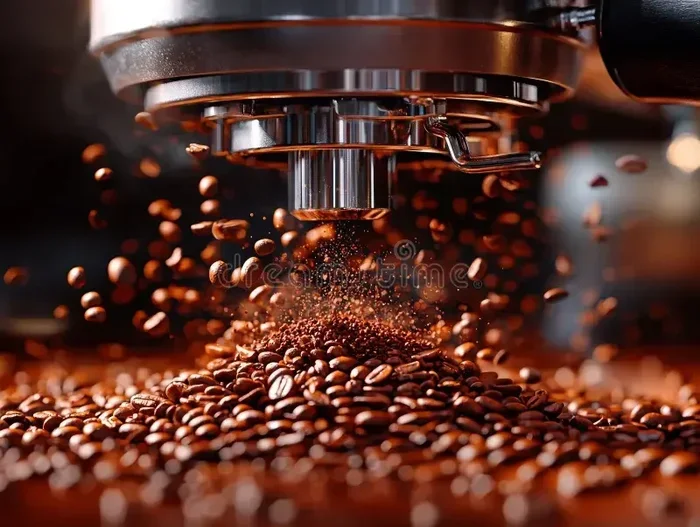
A burr grinder crushes coffee beans between two rotating surfaces, producing a much more uniform particle size. This consistency is exactly what you need for cold brew because it ensures even extraction across all the grounds. Whether you are using a manual burr grinder or an electric one, the results are noticeably better than what you get from a blade grinder.
Burr grinders allow you to adjust the grind size precisely. Most models have a dial or slider that lets you go from extra fine to extra coarse. For cold brew, you want to set it to the coarsest setting or just slightly below. The ability to control the grind size is what makes burr grinders the top choice for serious cold brew lovers.
Blade Grinders: A Budget-Friendly Option
Blade grinders use a spinning blade to chop the beans, similar to a blender. They are cheaper and more widely available, but they produce an inconsistent grind. Some particles will be fine dust while others remain almost whole. This inconsistency leads to uneven extraction, which can make your cold brew taste unpredictable.
If you only have a blade grinder, do not worry. You can still make good cold brew. Just pulse the grinder in short bursts and shake the container between pulses to redistribute the grounds. This helps achieve a somewhat more even texture. Just be aware that the results will not be as consistent as what a burr grinder delivers.
Quick Tips for Choosing a Grinder
- Set a budget: Burr grinders range from $30 to $300. Even a mid-range model makes a huge difference.
- Look for adjustability: A grinder with multiple grind size settings gives you more control over your cold brew.
- Consider capacity: If you brew large batches, choose a grinder that can handle at least a half-pound of beans at once.
- Read reviews: Look for models with consistent performance and easy cleaning.
Step-by-Step: How to Grind Coffee Beans for Cold Brew
Now that you understand why grind size matters and which grinder to use, let us walk through the actual process. Follow these steps and you will be on your way to a perfect batch of cold brew.
Step 1: Choose Your Beans
Start with fresh, whole coffee beans. The flavor profile of your beans will come through in the final cold brew, so choose something you enjoy drinking as hot coffee. Medium to dark roasts work especially well for cold brew because they bring out chocolatey, nutty, and caramel notes that shine in a cold concentrate. Light roasts can also work, but they tend to produce a brighter, more acidic cup.
Step 2: Measure Your Coffee
A good starting ratio is one part coffee to four parts water. For a standard batch, this means about one cup of coarsely ground coffee to four cups of water. You can adjust this ratio based on your taste preferences. If you like a stronger brew, use more coffee. If you prefer it milder, use less.
Step 3: Set Your Grinder to Coarse
Adjust your burr grinder to the coarsest setting. If you are using a blade grinder, plan to pulse it for short intervals — about three to five seconds each — and shake the container between pulses. The goal is to get particles that look and feel like coarse sea salt.
Step 4: Grind Just Before Brewing
One of the biggest mistakes people make is grinding coffee beans too far in advance. Once ground, coffee starts to lose its aromatic oils and flavor compounds quickly. For the best results, grind your beans right before you are ready to start the steeping process. This is especially true for cold brew coffee because the long steeping time means even small flavor losses will be noticeable in the final cup.
If you do need to grind ahead of time, store the grounds in an airtight container at room temperature and use them within a few hours.
Step 5: Combine and Steep
Add your freshly ground coffee to a large jar or pitcher. Pour in cold, filtered water and stir gently to make sure all the grounds are saturated. Cover the container and place it in the refrigerator. Let it steep for 12 to 24 hours. Longer steeping times produce a stronger, more concentrated brew.
Step 6: Strain and Serve
After steeping, strain the mixture through a fine-mesh sieve or cheesecloth to remove the grounds. For an even smoother result, strain it a second time through a coffee filter. Dilute the concentrate with water, milk, or your favorite liquid and serve over ice.
Cold Brew vs Hot Brew: How Grinding Differs
It is worth understanding how grinding for cold brew differs from grinding for hot coffee. Hot brewing methods like drip coffee or espresso use high temperatures to extract flavor rapidly. This means the grind can be finer because the heat speeds up extraction. A medium grind works well for drip coffee, and an extra-fine grind is ideal for espresso.
Cold brew skips the heat entirely. Instead, it relies on time — sometimes up to a full day — to pull flavor from the beans. Because of this, the grind must be much coarser. A medium or fine grind that works perfectly for hot coffee will be far too fine for cold brew and will produce a bitter, over-extracted result.
This is why many coffee experts recommend keeping a separate grinder setting or even a separate grinder specifically for cold brew. It ensures you always have the right texture ready to go when you want to make a batch.
A Quick Comparison
- Cold brew grind: Coarse, like sea salt. Steeps 12 to 24 hours.
- Drip coffee grind: Medium, like sand. Brews in 5 to 10 minutes.
- Espresso grind: Fine, like powdered sugar. Brews in 25 to 30 seconds.
Remember that if you accidentally grind your beans too fine for cold brew, you can still use them for hot coffee. The reverse is not always true, though, because coarse grounds do not extract well in hot brewing methods.
Common Mistakes to Avoid When Grinding for Cold Brew
Even experienced coffee lovers make mistakes when grinding beans for cold brew. Here are the most common ones and how to avoid them.
Using Pre-Ground Coffee
Pre-ground coffee might seem convenient, but it is the enemy of great cold brew. By the time pre-ground coffee reaches your shelf, it has already lost a significant portion of its flavor. The grind size is also usually inconsistent, which leads to uneven extraction. If you want the best possible cold brew, always start with whole beans and grind them yourself.
Skipping the Stir Step
Some people skip stirring the coffee grounds and water together before steeping. This might seem like a small thing, but it matters. Without stirring, the grounds at the top dry out while the ones at the bottom become overly saturated. A gentle stir at the beginning ensures all the grounds are evenly wetted, which leads to a more balanced extraction.
Using Tap Water Instead of Filtered Water
The water you use in cold brew affects the taste just as much as the grind size. Tap water can contain chlorine and minerals that interfere with the coffee’s natural flavors. Always use cold, filtered water for the cleanest, smoothest result.
Over-Steeping the Brew
While cold brew is forgiving in many ways, leaving it to steep for too long can cause problems. Going beyond 24 hours often results in over-extraction, which brings out bitter and astringent flavors. Stick to the 12 to 24 hour window for the best taste.
Storing Your Cold Brew Concentrate the Right Way
Once you have made your cold brew concentrate, proper storage is key to keeping it fresh. Transfer the concentrate into a sealed container or airtight jar and store it in the refrigerator. A well-stored cold brew concentrate stays fresh for up to two weeks.
When you are ready to serve, simply pour the concentrate over ice and add water, milk, or your sweetener of choice. You can also reheat cold brew concentrate gently if you prefer a warm cup — just be careful not to boil it, as high heat can bring out bitter notes. If you ever need to reheat any leftover brewed drinks, remember that how you reheat something matters just as much as how you brew it.
Pro tip: make a fresh batch of cold brew every week to always have a smooth, ready-to-drink coffee on hand. The process is simple once you get the hang of the right grind size, and the result is far superior to anything you can buy from a store.
Expert Insights on Perfecting Your Cold Brew Grind
Professional baristas and coffee roasters agree on one thing: consistency is everything. The more uniform your grind size, the more predictable and delicious your cold brew will be. Here are a few expert tips to help you refine your process.
- Invest in a quality burr grinder. It is the single best upgrade you can make for your cold brew game.
- Experiment with steeping times. Try 12 hours, 18 hours, and 24 hours with the same grind size to find your sweet spot.
- Keep a coffee journal. Write down your grind size, ratio, and steeping time for each batch. This helps you replicate your best results.
- Store beans properly. Keep whole beans in an airtight container away from light and heat to preserve freshness until you are ready to grind.
- Clean your grinder regularly. Old coffee oils can go rancid and affect the flavor of your fresh brew. A clean grinder means a clean taste.
Another thing to keep in mind is that different coffee origins respond differently to grinding. Ethiopian beans, for example, tend to be more fruity and floral, and they shine with a slightly less coarse grind. Brazilian beans, which are nuttier and chocolatey, pair beautifully with a very coarse texture. Do not be afraid to experiment and find what works best for your taste buds.
Also, if you ever want to explore other coffee preparation methods, check out how to make coffee in a microwave oven for a quick and easy alternative. Understanding different brewing methods gives you a broader perspective on how grind size affects the final cup, no matter which method you choose.
Conclusion
Grinding coffee beans for cold brew the right way is simpler than most people think, but the details matter. A coarse, consistent grind, a good quality burr grinder, and fresh beans are the three pillars of a perfect cold brew. Avoid the common mistakes of using pre-ground coffee, grinding too far in advance, and skipping the stir step, and you will notice an immediate improvement in flavor.
The beauty of cold brew is that it rewards patience and precision. Once you nail the grind size, the rest of the process is easy and almost effortless. You will have a smooth, rich, and naturally sweet concentrate that you can enjoy all week long.
Start experimenting today. Try different beans, adjust your grind size slightly, and play with steeping times. Before you know it, making cold brew at home will become second nature. And when it does, you will never want to go back to store-bought cold brew again. Your taste buds will thank you.
Frequently Asked Questions
What is the best grind size for cold brew coffee?
The best grind size for cold brew is coarse, similar to sea salt. This texture allows water to extract flavors slowly and evenly over 12 to 24 hours, resulting in a smooth and less acidic cup. Avoid fine grinds, which lead to over-extraction and bitterness.
Can I use a blade grinder instead of a burr grinder for cold brew?
Yes, you can use a blade grinder, but the results will be less consistent. Blade grinders chop beans unevenly, producing a mix of fine dust and coarse chunks. To improve results, pulse the grinder in short bursts and shake the container between pulses. A burr grinder is still the better choice for consistent cold brew.
How long should I steep cold brew after grinding the beans?
Steep your cold brew for 12 to 24 hours in the refrigerator. The ideal time depends on your taste preference and the grind size you use. A coarse grind with 18 hours of steeping is a great starting point for a balanced and smooth concentrate.
Can I grind coffee beans the night before and store them?
It is best to grind beans just before brewing for maximum freshness. However, if you must grind ahead, store the grounds in an airtight container at room temperature and use them within a few hours. Pre-ground coffee loses its aromatic oils quickly, which affects the flavor of your cold brew.
Why does my cold brew taste bitter even with a coarse grind?
Bitterness can come from over-steeping, using water that is not cold enough, or grinding slightly finer than intended. Make sure your steeping time stays within 12 to 24 hours, use filtered cold water, and double-check your grinder setting. Clean your grinder regularly, as old oils can also contribute to off-flavors.
What is the ideal coffee-to-water ratio for cold brew?
A good starting ratio is one part coarsely ground coffee to four parts cold water. This produces a concentrate that you can dilute with water or milk to taste. If you prefer a stronger brew, try a one-to-three ratio. Adjust based on your personal preference and the roast level of your beans.