How To Make Boxed Stuffing In The Oven Perfectly Today
Making boxed stuffing in the oven is the quickest path to a crispy, flavorful side dish that everyone loves. In just 30 minutes, you’ll discover the simple steps to achieve perfectly golden bread stuffing with a crackling top. I’ll share pro tips for oven-baked stuffing, ingredient swaps, and easy variations that turn a basic box into a Thanksgiving stuffing masterpiece.
Ever wondered how to make boxed stuffing in the oven taste like it came from scratch? The secret is simpler than you think. With just a few extra steps, you can turn a plain box of dry mix into a golden, crispy oven stuffing that steals the show at any dinner table.
Whether you are cooking for a holiday feast or a busy weeknight meal, boxed stuffing in the oven offers a stress-free path to a perfect side dish. I will walk you through every step, from picking the right pan to adding delicious mix-ins. By the end, you will know exactly how to get fluffy bread stuffing with a crackling top every single time.
This guide covers all the details you need. You will learn the best tools, the simplest techniques, and the most mouthwatering variations. No more soggy or dry stuffing. Just easy, reliable results that make everyone ask for seconds.
Key Takeaways
- Use the right pan: A baking dish with high sides prevents spillovers and helps the stuffing bake evenly.
- Add extra broth: Boxed stuffing needs more liquid than the package says for a moist, fluffy texture.
- Don’t skip the crispy top: Broil for the last 2-3 minutes to get golden, crunchy edges.
- Boost flavor with mix-ins: Sautéed celery, apples, or sausage transform basic stuffing into something special.
- Let it rest: Giving the stuffing 10 minutes off heat keeps it fluffy and easy to serve.
- Adjust temperature: Bake at 350°F for even cooking without drying out the edges.
- Try cornbread stuffing: Swap white bread cubes for cornbread for a sweet, Southern twist.
📑 Table of Contents
- Why Oven-Baked Boxed Stuffing Is a Holiday Hero
- Ingredients and Tools You’ll Need
- Step-by-Step Guide to Making Boxed Stuffing in the Oven
- Pro Tips for the Best Oven-Baked Stuffing
- Delicious Variations to Elevate Your Stuffing
- Comparison: Top Boxed Stuffing Brands for Oven Baking
- Troubleshooting: Fixing Dry or Soggy Stuffing
- Conclusion
Why Oven-Baked Boxed Stuffing Is a Holiday Hero
The Convenience Factor
Homemade stuffing from a box saves you precious time in the kitchen. You do not need to chop mountains of bread or stand over a hot stove stirring for an hour. The dry mix already contains the herbs, spices, and seasoning blend you need. All you add are a few simple liquids and your choice of mix-ins. This easy stuffing method is perfect for busy cooks who still want a homemade taste.
Boxed stuffing also means fewer dishes to wash. One baking dish, one mixing bowl, and one whisk. That is it. You can spend more time enjoying your guests and less time scrubbing pots. The oven-baked stuffing does all the work for you while you focus on the main course.
Why Oven Baking Beats the Stovetop
Stovetop stuffing often turns out mushy or unevenly seasoned. The oven gives you even heat all around. This creates a beautiful contrast between the soft, fluffy center and the crispy golden edges. A stuffing bake in the oven also lets the flavors meld together perfectly. The dry bread cubes absorb the broth slowly, resulting in a crispy stuffing that stays moist inside.
Another big win is texture. Oven-baked Thanksgiving stuffing develops that irresistible crunchy top layer without any extra effort. You just need to know the right time and temperature. I will share those exact details below so you never have to guess again.
Ingredients and Tools You’ll Need
The Basic Boxed Stuffing Ingredients
To make oven stuffing from a box, you need just a few pantry staples. Start with one box of your favorite dry stuffing mix. Most brands call for butter, chicken or vegetable broth, and eggs. Here is a quick list of what you will need:
- 1 box of dry stuffing mix (about 8.5 oz)
- 4 tablespoons of unsalted butter, melted
- 1 and 1/4 cups of chicken broth or vegetable broth
- 2 large eggs, lightly beaten
- 1 teaspoon of dried sage (optional, for extra flavor)
- 1/2 teaspoon of salt (adjust to taste)
- 1/4 teaspoon of black pepper
These ingredients create a classic bread stuffing base. You can swap the broth for mushroom broth if you prefer a deeper, earthy taste. The butter adds richness, and the eggs help bind everything together. This stuffing recipe is flexible, so feel free to adjust the seasonings to your liking.
Essential Tools for Perfect Oven Stuffing
You do not need fancy equipment to make great oven-baked stuffing. A few basic tools will do the job perfectly. Here is what you need on hand:
- A 9×13-inch baking dish (or a similar size deep dish)
- A large mixing bowl
- A whisk or fork for beating eggs
- A spatula to fold the mixture gently
- A measuring cup for liquids
- A foil tent or aluminum foil to cover during baking
The right baking dish matters a lot. A deep dish with high sides gives the stuffing room to puff up. It also prevents any overflow when the bread cubes expand. If you only have a shallow pan, use a smaller amount of liquid so the stuffing does not turn soupy.
Step-by-Step Guide to Making Boxed Stuffing in the Oven
Step 1: Prepare the Bread Cubes
Open your box of dry stuffing mix and pour the cubes into a large mixing bowl. Do not break them apart yet. The big cubes are what give you that perfect fluffy texture inside. If your mix includes dried onion or celery flakes, keep them in the bowl too. They add a subtle savory punch to your oven stuffing.
While the bread cubes sit, preheat your oven to 350°F (175°C). A steady temperature is key for even baking. This is the ideal stuffing temperature to cook the eggs and broth without drying out the edges. Let the oven fully heat up before you move to the next step.
Step 2: Mix the Liquid Ingredients
In a separate bowl, whisk together the melted butter, broth, and eggs. The butter should be fully melted and slightly warm so it blends smoothly. Add the sage, salt, and pepper to this liquid mixture. Whisk until everything is combined and no streaks of egg remain.
This is the moment where your homemade stuffing from a box starts to come alive. The liquid mixture needs to be just enough to moisten the bread cubes without making them soggy. If you want extra-rich stuffing with broth, you can add an extra 1/4 cup of broth. Just do not go overboard, or the stuffing will be too wet.
Step 3: Combine and Bake
Pour the liquid mixture over the dry bread cubes in the large bowl. Use a spatula or your clean hands to gently fold everything together. Work slowly so you do not crush the bread cubes. The goal is to coat every piece evenly while keeping them in big, fluffy chunks.
Transfer the moistened mixture into your prepared baking dish. Spread it out evenly with the spatula. Do not pack it down tightly. The stuffing needs room to breathe and expand as it bakes. Place the dish in the preheated oven and bake for 25 minutes. Cover the dish with a loose foil tent during this time to trap steam and keep the top from browning too fast.
Step 4: Achieve the Perfect Crispy Top
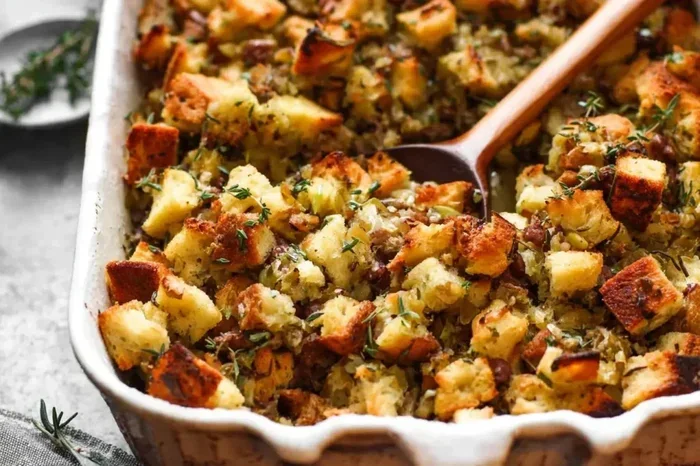
After 25 minutes, remove the foil tent. This is where the magic happens. The stuffing bake will now get a golden, crunchy crust on top. Return the dish to the oven and bake for another 10 to 15 minutes. You will know it is done when the edges are crispy and the center is set. A toothpick inserted into the middle should come out clean.
For an extra crispy stuffing top, switch your oven to broil for the last 2 minutes. Watch it closely so it does not burn. The broiler gives you that perfect golden-brown finish that looks and tastes amazing. Let the stuffing rest for 10 minutes before serving. This resting time allows the flavors to settle and makes it much easier to scoop onto plates.
Pro Tips for the Best Oven-Baked Stuffing
Quick Tips for Moisture Control
Getting the right moisture level is the biggest challenge in oven stuffing. Too little liquid and the stuffing turns dry and crumbly. Too much and it becomes a soggy mess. Here are my top quick tips to nail the moisture every time:
- Use warm broth: Cold broth slows down absorption and can leave the center dry. Warm it slightly before adding.
- Let the mixture sit for 5 minutes: After combining the liquids and bread cubes, give it a short rest. The bread soaks up the liquid evenly.
- Check the dish before baking: The mixture should look moist but not swimming in liquid. If it looks dry, add a splash more broth.
- Do not over-stir: Gentle folding keeps the bread cubes intact and creates a fluffier texture.
Common Mistakes to Avoid
Even easy recipes have pitfalls. Here are the most common mistakes people make with boxed stuffing in the oven and how to avoid them:
- Using a pan that is too small: This causes overflow and a messy oven. Stick to a 9×13-inch dish or larger.
- Skipping the eggs: Eggs act as a binder. Without them, the stuffing crumbles apart when you try to serve it.
- Overbaking: Every oven runs hot or cool. Start checking for doneness at the 35-minute mark to avoid a dry top.
- Adding mix-ins too late: If you are using sausage or vegetables, cook them first and let them cool before mixing into the bread cubes.
- Forgetting to rest: Cutting into piping hot stuffing releases too much steam and makes it mushy. Patience gives you cleaner slices.
Expert Insight from a Home Cook
I have made oven-baked stuffing dozens of times, and one tip truly changed my results. Always toast your bread cubes lightly before mixing them with the broth. Spread the dry cubes on a sheet pan and bake them at 300°F for 10 minutes. This dries them out even more, so they absorb the liquid better without turning gummy. The result is a stuffing recipe that is fluffy on the inside and deeply golden on the outside. It is a small step that makes a huge difference.
Delicious Variations to Elevate Your Stuffing
Cornbread Stuffing with Sage
Swap the white bread cubes for crumbled cornbread to make a sweet, Southern-style cornbread stuffing. Add an extra teaspoon of sage and a pinch of cayenne pepper for a gentle kick. This variation pairs beautifully with roast turkey or pork loin. The natural sweetness of cornbread balances the savory herbs perfectly.
Sausage and Apple Stuffing Bake
For a hearty stuffing with vegetables and meat, cook one pound of breakfast sausage in a skillet until browned. Add one diced apple and a chopped celery stalk, and cook for 3 more minutes. Stir this mixture into your boxed stuffing base before baking. The apple adds a subtle freshness that cuts through the richness of the sausage. This is a crowd-pleasing Thanksgiving stuffing option.
Vegetarian Stuffing with Roasted Vegetables
Make a meat-free easy stuffing by roasting carrots, parsnips, and onions on a sheet pan at 400°F for 20 minutes. Chop the roasted veggies into small pieces and fold them into the stuffing mixture. Use vegetable broth instead of chicken broth. This stuffing with vegetables is hearty, colorful, and full of natural sweetness. It is a satisfying side dish for any holiday table.
Comparison: Top Boxed Stuffing Brands for Oven Baking
Not all boxed stuffing mixes are created equal. Some brands produce a finer crumb, while others offer big, rustic cubes. I tested the most popular options to find the best one for oven stuffing. Here is how they stack up:
| Brand | Cube Size | Flavor Profile | Best For |
|---|---|---|---|
| Stove Top Original | Medium, fine crumb | Classic sage and onion | Quick, reliable results |
| Knorr Herb Seasoned Stuffing | Large, rustic cubes | Herb-forward, savory | Crispy texture and big flavor |
| Pepperidge Farm Cornbread | Small, crumbled cornbread | Sweet, slightly spiced | Southern-style cornbread stuffing |
| American Harvest Herb & Onion | Extra-large cubes | Mild onion, buttery | High-rise, fluffy oven-baked stuffing |
If you want the crispiest stuffing bake, I recommend Knorr or American Harvest for their larger cube size. Stove Top works well too, but you may need to add a touch more broth because the smaller crumbs absorb liquid faster. Choose a brand that matches the texture you love, and you will have a perfect base for any variation.
Troubleshooting: Fixing Dry or Soggy Stuffing
Why Your Stuffing Turned Out Dry
Dry oven stuffing usually happens for one of two reasons. First, you may not have added enough broth. The package directions often give a minimum amount, but how to make boxed stuffing in the oven perfectly requires a bit more liquid. Second, overbaking dries out the edges. If your stuffing looks dry, you can fix it in two ways. Drizzle a little extra warm broth over the top and return it to the oven for 5 minutes. Or, gently fold in a tablespoon of melted butter to add moisture back in.
How to Salvage Soggy Stuffing
A soggy stuffing recipe usually means too much liquid or a pan that was too small. Do not worry, you can still save it. Spread the wet stuffing onto a baking sheet in a thin layer and bake at 375°F for 10 minutes. This helps the excess moisture evaporate. You can also add a handful of extra dry bread cubes to absorb the extra broth. Just be gentle so you do not turn it into a paste. The goal is a crispy stuffing that holds its shape when scooped.
Conclusion
Mastering how to make boxed stuffing in the oven is one of the simplest kitchen skills you can learn. With just a few extra minutes of prep, you turn a basic box into a golden, crispy side dish that everyone remembers. The right pan, the perfect liquid ratio, and a short broil at the end make all the difference. Now you have the tools to create perfectly fluffy bread stuffing with a crackling top every time.
Try one of the delicious variations I shared, like the cornbread stuffing or the sausage and apple bake. Each one adds a personal touch that makes the dish truly yours. Remember to let the stuffing rest for 10 minutes before serving, and you will have clean, fluffy portions that look restaurant-quality. Your family and guests will never guess that your amazing Thanksgiving stuffing started with a simple box.
So next time you are planning a meal, give oven-baked stuffing a try. You will love how easy it is and how impressive the results are. Happy cooking, and enjoy every golden bite of your homemade oven stuffing!
Frequently Asked Questions
Can I make boxed stuffing in the oven ahead of time?
Yes, you can prepare the mixture the night before and refrigerate it in the baking dish. Cover it tightly with foil and add 10 extra minutes to the bake time the next day. This makes oven stuffing even more convenient for holiday hosting.
What temperature should I bake boxed stuffing at?
Bake boxed stuffing in the oven at 350°F (175°C). This moderate temperature cooks the eggs and broth gently while giving the bread cubes time to absorb the liquid. The result is a stuffing bake that is fluffy inside and golden outside.
Can I use vegetable broth instead of chicken broth?
Absolutely. Vegetable broth works perfectly for a vegetarian stuffing and keeps the flavor mild and clean. Just warm the broth before adding it to the dry mix so the bread cubes absorb it evenly.
How do I know when the stuffing is done?
The oven-baked stuffing is done when the edges are crispy and golden, and a toothpick inserted in the center comes out clean. The top should feel firm but the inside should still look moist. Letting it rest for 10 minutes helps it set further.
What mix-ins work best for oven stuffing?
Sautéed sausage, diced apples, roasted vegetables, or dried cranberries all make wonderful additions to homemade stuffing from a box. Just cook any meat or vegetables first and let them cool before mixing them into the bread cubes. This keeps the stuffing with vegetables and meats evenly distributed.
Is it better to use butter or oil in boxed oven stuffing?
Butter adds the best flavor and helps create a richer, more golden crispy stuffing. However, you can use melted olive oil or a neutral vegetable oil if you prefer a dairy-free option. The key is to use enough fat to coat the bread cubes lightly so they stay moist during baking.