How To Make Coffee No Machine Without Any Equipment
Making coffee without a machine is easier than you think. You can brew a rich, flavorful cup using just a stovetop, microwave, or even cold water and time. This guide covers every how to make coffee no machine method you need, from classic cowboy coffee to smooth cold brew.
There is nothing quite like a fresh cup of coffee in the morning. It wakes you up, warms your hands, and sets the tone for the whole day. But what happens when your coffee machine breaks, or you simply do not own one? The good news is that you do not need a fancy gadget to brew a great cup. Making coffee without a machine is simple, affordable, and surprisingly fun.
In this guide, we will walk you through every how to make coffee no machine method that actually works. Whether you are at home, camping, or just tired of your broken espresso maker, you will find a way to get your caffeine fix. No special tools. No complicated steps. Just real, honest coffee that tastes amazing.
## Why Make Coffee Without a Machine
You might wonder why anyone would skip a coffee machine. The reasons are simpler than you think.
First, machines break. They are expensive to replace, and repairs cost a fortune. Second, machines take up space. Not everyone has a big kitchen with room for a bulky espresso maker. Third, making coffee without a machine often gives you more control over the flavor. You decide the strength, the temperature, and the steeping time.
Many people also love the simplicity of manual brewing. There is something satisfying about a slow, hands-on process. It feels more intentional. Plus, these methods work almost anywhere. You do not need electricity or special parts. Just water, grounds, and a little patience.
## Stovetop Coffee Brewing Methods
The stovetop is your best friend when you want to make coffee no machine. Almost every kitchen has a stove, so this method is the most accessible. You do not need any special tools beyond a pot or pan.
### Cowboy Coffee
Cowboy coffee is one of the oldest brewing methods in the world. It is simple, rugged, and requires nothing but a heat source and a pot.
Here is how you do it:
- Bring water to a boil in a small pot.
- Remove the pot from the heat and let it cool for about 30 seconds.
- Add two tablespoons of coarsely ground coffee per cup.
- Stir gently and let the grounds settle for four minutes.
- Pour slowly into your cup, leaving the grounds behind.
The key to great cowboy coffee is the grind size. Use a coarse grind, similar to sea salt. Fine grounds will slip through and make your coffee gritty. Also, do not skip the resting step. Letting the grounds settle makes a big difference in the final cup.
### Stovetop Moka Pot
A Moka pot is a classic Italian stovetop brewer. It is not a machine in the traditional sense, but it does use steam pressure to push water through coffee grounds. The result is a strong, rich brew that tastes somewhat like espresso.
To use a Moka pot:
- Fill the bottom chamber with water up to the valve.
- Add finely ground coffee to the filter basket.
- Screw the top chamber onto the base.
- Place it on the stove over medium heat.
- Remove it as soon as you hear a hissing sound.
Moka pots are affordable and last for years. They are a great investment if you enjoy strong, bold coffee without a full machine.
## Microwave Coffee Method
Yes, you can actually brew coffee in the microwave. This method is fast, easy, and perfect for people who do not have access to a stovetop.
To make coffee in the microwave, follow these steps:
- Place a microwave-safe mug filled with water in the microwave.
- Heat the water for about two to three minutes until it is very hot but not boiling.
- Add two tablespoons of ground coffee to the hot water.
- Let it steep for three to four minutes.
- Stir and pour through a fine mesh strainer or cheesecloth.
This method works well in a pinch. The water heats quickly, and the steeping time is short. The flavor is clean and straightforward. If you want to explore this method in more detail, check out our guide on how to make coffee in microwave oven for extra tips and variations.
One thing to keep in mind: microwaves heat unevenly. Stir the water before adding the grounds to ensure even extraction. Also, use a microwave-safe mug to avoid any accidents.
## Cold Brew Coffee Without Special Equipment
Cold brew coffee is smooth, low in acidity, and incredibly easy to make without any machine. All you need is time, water, and coarse grounds.
### The Jar Method
This is the simplest way to make cold brew at home.
- Add half a cup of coarsely ground coffee to a large jar or bowl.
- Pour four cups of cold water over the grounds.
- Stir gently to make sure all grounds are wet.
- Cover the jar and place it in the refrigerator.
- Let it steep for 12 to 24 hours.
- Strain through a fine mesh sieve or cheesecloth.
- Serve over ice and enjoy.
Cold brew is naturally sweet and mellow. Because the water is cold, the extraction process is slow and gentle. This means fewer bitter compounds end up in your cup. You can store cold brew concentrate in the fridge for up to a week. Just dilute it with water or milk when you are ready to drink.
### Cold Brew Concentrate Tips
If you like your coffee strong, make a concentrate. Use a 1:4 ratio of coffee to water. Then dilute with water, milk, or ice when serving. This gives you full control over the strength of every cup.
## French Press Style Without a French Press
You do not need a French press to get that rich, full-bodied flavor. You can achieve similar results with basic kitchen tools.
### The Pour-Over Alternative
Use a fine mesh strainer or a clean kitchen towel lined over a mug. Add medium-ground coffee to the strainer. Slowly pour hot water over the grounds in a circular motion. Let the water drip through into the mug below.
This method takes a little practice, but the results are worth it. The coffee tastes clean and aromatic. You can adjust the grind size and pour speed to control the strength.
### The Cloth Filter Method
Some people use a clean cotton cloth as a filter. This works similarly to a traditional pour-over but is even more low-tech. Just place the cloth over your mug, add the grounds, and pour hot water slowly. The cloth catches the grounds and lets the liquid through.
Wash the cloth thoroughly after each use. It can be reused many times, making this a very eco-friendly option.
## Tips for the Best Coffee Without a Machine
Getting great coffee without a machine comes down to a few key details. Here are some tips that will elevate your brew every time.
### Use Fresh, Quality Beans
Freshly roasted beans make a noticeable difference. Look for beans with a roast date on the bag, not just an expiration date. Store your beans in an airtight container away from light and heat.
### Grind Your Own Coffee
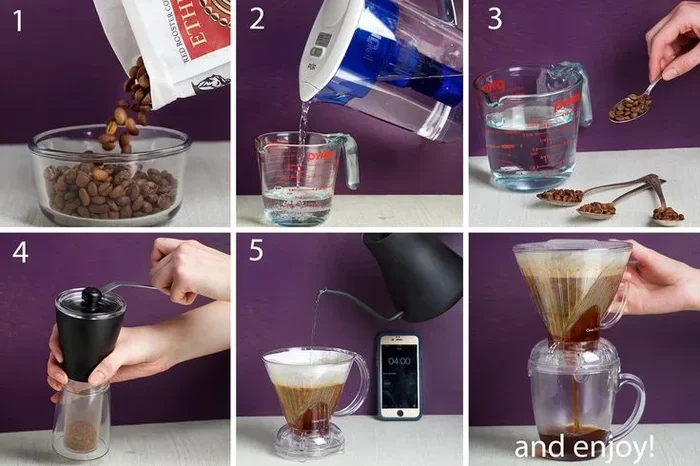
Pre-ground coffee loses flavor quickly. If you have a hand grinder or a mortar and pestle, grind your beans just before brewing. A coarse grind works best for stovetop and cold brew methods. A medium grind is good for pour-over style.
### Pay Attention to Water Temperature
Water that is too hot will over-extract the coffee and make it bitter. Water that is too cool will under-extract and leave you with weak, sour coffee. The ideal temperature is between 195 and 205 degrees Fahrenheit. If you do not have a thermometer, just let boiling water rest for 30 seconds before using it.
### Use the Right Ratio
A good starting ratio is two tablespoons of coffee per six ounces of water. You can adjust this to your taste. More coffee makes it stronger. Less coffee makes it milder.
### Experiment and Have Fun
The beauty of making coffee without a machine is that there are no strict rules. Try different grind sizes, water amounts, and steeping times. Keep notes on what you like best. Over time, you will develop your own perfect method.
## Common Mistakes to Avoid
Even simple methods can go wrong if you are not careful. Here are the most common mistakes people make when brewing coffee without a machine.
- Using fine grounds for cowboy coffee: This makes the coffee gritty and unpleasant. Always use a coarse grind.
- Boiling the coffee: Boiling coffee for too long extracts bitter compounds. Remove it from heat before it reaches a rolling boil.
- Skipping the steeping time: Patience matters. Rushing the process leads to weak, underwhelming flavor.
- Using old or stale beans: Old beans lose their aroma and taste flat. Always use fresh beans for the best results.
- Not filtering properly: If you skip the straining step, you will end up with grounds in your cup. Take the extra minute to filter.
Avoiding these mistakes will immediately improve your coffee. It is amazing how much a small change can affect the final cup.
## When You Need Coffee Without Electricity
There are times when you do not have access to electricity. Maybe you are camping, dealing with a power outage, or traveling in a remote area. These coffee without electricity methods save the day.
The simplest option is a thermal pot. Boil water on a campfire or gas stove, add grounds, and let it steep. Another option is a hand-powered grinder and a basic pour-over setup. These tools are lightweight and pack easily for travel.
Cold brew is also a great option for off-grid situations. You can make it the night before and have it ready in the morning, no heat required. Just use cold water and let time do the work.
If you are ever in a situation where you need to reheat something in the oven or warm up leftovers, the same stovetop skills apply. Being resourceful in the kitchen is a valuable skill that extends beyond just coffee.
## Why People Are Switching to Manual Brewing
More and more people are moving away from electric coffee machines. There are several reasons for this trend.
First, manual methods give you more flavor control. You can tweak every variable to get exactly the cup you want. Second, these methods are cheaper. A simple pot or jar costs almost nothing compared to a high-end machine. Third, manual brewing is more sustainable. There are no plastic pods or electric components to replace.
Many coffee enthusiasts also appreciate the ritual of manual brewing. It slows you down and makes the morning more mindful. Instead of pressing a button and walking away, you engage with the process. You smell the grounds, watch the water pour, and savor the experience.
If you are curious about other kitchen techniques, you might also enjoy learning how to warm brie in the oven or explore other simple cooking methods that require minimal equipment.
## Conclusion
Making coffee without a machine is not just a backup plan. It is a skill that can improve your daily routine and save you money. Whether you choose cowboy coffee on the stovetop, a quick microwave brew, or a refreshing cold brew, the results can be just as good as any machine-made cup.
The key is to start simple and experiment. Try one method at a time. Adjust the grind, the water, and the steeping time until you find your perfect match. With a little practice, you will never look at a coffee machine the same way again.
So the next time you want to make coffee no machine, remember that you have everything you need already. A pot, some water, good beans, and a few minutes of your time. That is all it takes to brew something truly special.
Key Takeaways
- No machine needed: You can brew great coffee using basic kitchen tools you already own.
- Multiple methods work: Stovetop, microwave, and cold brew are all proven ways to make coffee without a machine.
- Fresh grounds matter: Using quality beans and proper grinding makes a huge difference in taste.
- Timing is key: Each method has its own brew time, and getting it right ensures the best flavor.
- Save money: Ditching your coffee machine saves counter space and hundreds of dollars over time.
- Perfect for travel: These methods work great when you are camping or traveling without electricity.
Frequently Asked Questions
Can I make good coffee without any machine at all?
Absolutely. Methods like cowboy coffee, microwave brewing, and cold brew require zero special equipment. Just water, grounds, and a heat source or time. Many people prefer the taste of manually brewed coffee over machine-made coffee.
What is the easiest way to make coffee without a machine?
The microwave method is the fastest and simplest. Heat water in a mug, add grounds, steep for a few minutes, and strain. It takes less than five minutes and produces a clean, enjoyable cup of coffee.
Do I need special coffee grounds for these methods?
No, but the grind size matters. Use coarse grounds for cowboy coffee and cold brew, and medium grounds for pour-over style. Freshly ground beans always taste better than pre-ground coffee, but either works fine.
Can I make cold brew coffee without any special equipment?
Yes. All you need is a jar, cold water, and coarse coffee grounds. Mix them together, refrigerate for 12 to 24 hours, and strain through a sieve or cheesecloth. No special tools required.
Is stovetop coffee as good as machine-brewed coffee?
It can be even better. Stovetop methods give you more control over the brewing process. You can adjust the strength, temperature, and steeping time to suit your personal taste perfectly.
How long does coffee made without a machine last?
Freshly brewed coffee tastes best within a few hours. Cold brew concentrate can last up to a week in the refrigerator. Always store brewed coffee in a sealed container to keep it fresh.