How To Roast Brazil Nuts In The Oven And Get It Right
Roasting Brazil nuts in the oven is simple, fast, and incredibly rewarding. This guide walks you through every step — from choosing the best raw Brazil nuts to pulling a perfect batch of golden, crunchy nuts out of your oven. You will learn the ideal temperature, timing, and seasoning tricks that turn ordinary nuts into a gourmet snack.
Key Takeaways
- Low and slow roasting: Baking Brazil nuts at 325°F to 350°F preserves their rich flavor and creamy texture.
- Prep matters: Soaking or drying nuts before roasting can enhance crunch and remove bitterness.
- Seasoning options are endless: From simple salt to creative spice blends, you can customize roasted Brazil nuts to your taste.
- Watch the time: Over-roasting is the most common mistake. Keep a close eye on your nuts after the 10-minute mark.
- Storage is key: Proper storage keeps roasted Brazil nuts fresh and crunchy for up to two weeks.
- Health benefits remain intact: Roasting Brazil nuts the right way preserves their selenium, healthy fats, and nutrients.
- Oven type affects results: Convection ovens roast faster than conventional ovens, so adjust time and temperature accordingly.
📑 Table of Contents
- How To Roast Brazil Nuts In The Oven And Get It Right
- Why Roast Brazil Nuts In The Oven?
- Choosing The Right Brazil Nuts For Roasting
- Preparing Brazil Nuts Before Roasting
- The Perfect Oven Temperature And Time For Roasting Brazil Nuts
- Seasoning And Flavor Variations For Roasted Brazil Nuts
- Common Mistakes To Avoid When Roasting Brazil Nuts
- How To Store Roasted Brazil Nuts For Maximum Freshness
- Creative Ways To Use Roasted Brazil Nuts
- Frequently Asked Questions
- Final Thoughts On Roasting Brazil Nuts In The Oven
How To Roast Brazil Nuts In The Oven And Get It Right
There is something deeply satisfying about a warm, crunchy handful of roasted Brazil nuts. Whether you are snacking on them straight from the bowl, sprinkling them over a salad, or using them in a recipe, oven-roasted Brazil nuts bring a rich, buttery flavor that raw nuts simply cannot match.
But here is the thing — roasting nuts in the oven is easy to do, but getting it right takes a little know-how. Too high a temperature and your nuts burn. Too long and they turn bitter. Too little and they stay soft and pale. The good news is that once you understand the basics, roasting Brazil nuts in the oven becomes second nature.
This guide covers everything you need to know. We will go through selecting the best nuts, preparing them properly, setting the right oven temperature, timing your roast perfectly, seasoning them creatively, and storing them so they stay fresh. By the end, you will feel confident enough to roast a perfect batch every single time.
Let us get started.
Why Roast Brazil Nuts In The Oven?
You might wonder why oven roasting is the preferred method for roasted Brazil nuts. After all, you can buy them pre-roasted at the store. But homemade oven-roasted nuts are a completely different experience.
First, you control every variable. You decide the temperature, the roasting time, the amount of salt, and the type of oil or seasoning used. This means no hidden ingredients, no excess sodium, and no mystery oils.
Second, oven roasting brings out the natural oils inside the nut. Brazil nuts are naturally rich and buttery. When heat activates those oils, the flavor deepens and becomes incredibly aromatic. The result is a crunchy, golden snack that tastes far better than anything from a bag on the shelf.
Third, roasting can actually improve the nutritional profile of Brazil nuts. The heat helps break down certain compounds that can interfere with nutrient absorption. This means your body can access more of the selenium, magnesium, and healthy fats that make Brazil nuts so good for you.
The Health Benefits Of Roasted Brazil Nuts
Brazil nuts are nutritional powerhouses. Just one or two nuts a day can provide your full daily dose of selenium. This mineral plays a crucial role in thyroid function, immune health, and antioxidant defense.
When you roast Brazil nuts in the oven at a moderate temperature, you preserve most of these nutrients. The key is avoiding excessive heat. High-temperature roasting for long periods can degrade some of the healthy fats and reduce selenium content. So keeping the temperature moderate and the time short is the sweet spot for both flavor and nutrition.
Roasted Brazil nuts also make an excellent healthy snack option. They are naturally gluten-free, low in carbohydrates, and high in protein and healthy monounsaturated fats. If you are looking for a satisfying snack that keeps you full and energized, roasted Brazil nuts are hard to beat.
Choosing The Right Brazil Nuts For Roasting
The quality of your starting material matters a lot. If you begin with poor-quality nuts, no amount of perfect roasting will save them. Here is what to look for when buying Brazil nuts for the oven.
Raw vs. Pre-Blanced Nuts
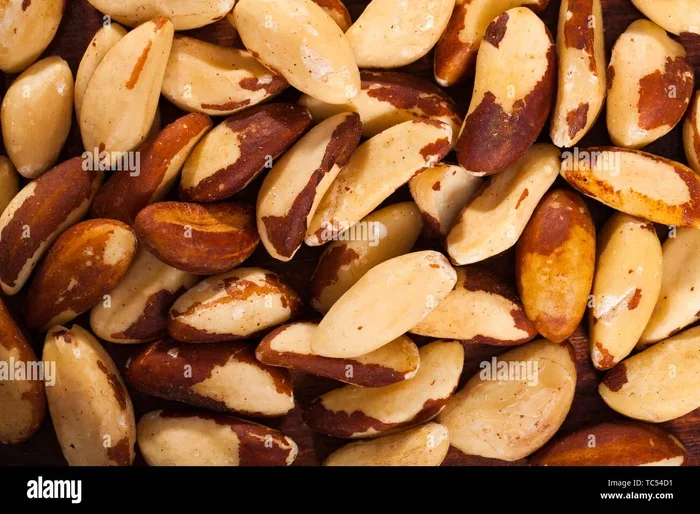
Always choose raw, unblanched Brazil nuts for oven roasting. Raw nuts have not been exposed to any heat, so they respond to roasting predictably. Pre-blanced or pre-roasted nuts have already been heat-treated and will not improve in the oven. In fact, they may become overly dry or burnt.
Look for raw Brazil nuts sold in bulk bins or sealed packages. Check the expiration date and smell the nuts if possible. Fresh Brazil nuts have a mild, slightly sweet aroma. If they smell rancid or musty, they are old and should not be used.
Whole vs. Pieces
Whole Brazil nuts roast more evenly than pieces or halves. The shell acts as a natural barrier that slows down heat transfer, giving you more control over the roasting process. If you buy pieces, they will roast faster and may burn before the larger pieces are done.
However, pieces and halves are perfectly fine if you adjust your timing. Just keep a closer eye on them and check for doneness more frequently. For beginners, whole raw Brazil nuts are the best choice.
Where To Buy Quality Brazil Nuts
Health food stores, specialty nut retailers, and reputable online vendors are your best sources. Look for brands that source from sustainable farms in the Amazon region. Quality Brazil nuts should be plump, uniform in size, and free of cracks or holes in the shell.
Some brands offer organic certified Brazil nuts, which means they were grown without synthetic pesticides. While organic nuts are not strictly necessary for roasting, they are a cleaner choice if that matters to you.
Preparing Brazil Nuts Before Roasting
Preparation is the step most people skip, but it makes a real difference. Taking a few extra minutes to prep your nuts before they go into the oven leads to better texture and flavor.
Do You Need To Soak Brazil Nuts?
Soaking is optional but highly recommended. Raw nuts contain phytic acid and enzyme inhibitors that can make them harder to digest. Soaking helps neutralize these compounds and softens the nut slightly, which can lead to a more even roast.
To soak Brazil nuts, place them in a large bowl and cover them with filtered water. Add a teaspoon of sea salt per cup of nuts. Let them sit at room temperature for 4 to 8 hours, or overnight in the refrigerator. After soaking, drain the water and spread the nuts on a clean kitchen towel. Pat them dry thoroughly.
Here is an important tip: dry the nuts completely before roasting. Any residual moisture will steam the nuts instead of roasting them. You can let them air-dry for an hour or place them in a low oven (200°F) for 10 to 15 minutes to remove all moisture.
Peeling The Skin
Brazil nuts have a thin brown skin that can add a slightly bitter taste. Some people prefer to remove this skin before roasting. It is a tedious process, but if you want a milder, creamier flavor, it is worth the effort.
After soaking, the skin becomes easier to slip off. Simply pinch the nut between your fingers and the skin should peel away cleanly. Not all nuts will lose their skin easily, and that is okay. A little bit of skin adds texture and does not hurt the final result.
Seasoning Options Before Roasting
Seasoning before roasting allows the flavors to penetrate the nut. Here are some popular options:
- Simple salt: Toss with a small amount of sea salt and a drizzle of olive oil. This brings out the natural buttery flavor.
- Garlic and herb: Add garlic powder, dried rosemary, and a pinch of black pepper for a savory snack.
- Sweet roasted: Toss with a light coating of coconut oil, cinnamon, and a touch of honey or maple syrup.
- Spicy: Use smoked paprika, cayenne pepper, and a little salt for a kick.
- Umami boost: Nutritional yeast, soy sauce (just a splash), and a pinch of onion powder create a savory, cheese-like flavor.
Less is more when it comes to seasoning. Use just enough to coat the nuts lightly. Too much oil or seasoning can cause the nuts to clump together or burn unevenly.
The Perfect Oven Temperature And Time For Roasting Brazil Nuts
This is the most important section of the entire guide. Getting the temperature and timing right is what separates perfectly roasted nuts from burnt or underdone ones.
Recommended Temperature
The ideal oven temperature for roasting Brazil nuts is 325°F (163°C). This moderate heat allows the nuts to roast slowly and evenly. The fats inside the nut have time to render and become fragrant without scorching the exterior.
If you are using a convection oven, reduce the temperature by 25°F to 300°F (149°C). Convection fans circulate hot air more efficiently, which means nuts roast faster and can burn more easily. Lowering the temperature compensates for this.
Avoid temperatures above 375°F. While high heat can speed up the process, it also increases the risk of uneven roasting and bitter flavors. Patience is the secret ingredient in great roasted nuts.
Roasting Time Guidelines
At 325°F, whole Brazil nuts typically need 12 to 18 minutes to roast properly. Here is a general breakdown:
- 10 minutes: Nuts are lightly golden and still soft. Remove now for a very mild, buttery flavor.
- 12 to 15 minutes: The sweet spot for most people. Nuts are golden brown with a satisfying crunch.
- 15 to 18 minutes: Deeper color and bolder flavor. Good for those who prefer a more intense roast.
- Beyond 18 minutes: Risk of burning increases significantly. Check frequently after the 15-minute mark.
Set a timer and stay nearby. Roasting times vary based on your specific oven, the size of the nuts, and how many you are roasting at once. The best approach is to start checking at the 10-minute mark and keep going until they reach your desired level of golden-brown.
How To Know When They Are Done
Knowing when roasted Brazil nuts are ready comes down to a few sensory cues:
- Color: The nuts should be a deep golden brown. If they look pale, they need more time. If they look dark brown or have black spots, they are overdone.
- Smell: Freshly roasted Brazil nuts have a rich, buttery aroma. If you smell anything sharp or acrid, they are burning. Pull them out immediately.
- Sound: When you shake the baking sheet, you should hear the nuts rattling. A soft rattle means they are still warm and pliable. A firm rattle means they have dried out and are fully roasted.
- Texture test: Remove one nut, let it cool for 30 seconds, and bite in. It should be crunchy with a creamy interior. If it feels soft or chewy, return the batch to the oven for another 2 to 3 minutes.
Seasoning And Flavor Variations For Roasted Brazil Nuts
Once you master the basic roast, the real fun begins: flavoring. Roasted Brazil nuts are a blank canvas for creative seasoning combinations. Here are some tried-and-true variations that elevate your snack game.
Classic Salted
The simplest and most popular way to enjoy roasted Brazil nuts. Toss them with a thin layer of olive oil and flaky sea salt right after they come out of the oven. The warmth helps the salt stick. Use about a quarter teaspoon of salt per cup of nuts. You can always add more, but you cannot take it away.
Honey Cinnamon
For a sweet twist, mix a teaspoon of honey with a half teaspoon of cinnamon and a drizzle of coconut oil. Toss the warm nuts in this mixture and spread them back on the baking sheet. Return to a turned-off oven for 5 minutes to let the coating set. These make a wonderful holiday snack or a healthy dessert alternative.
Chili Lime
Combine chili powder, a squeeze of fresh lime juice, and a pinch of salt. Toss the roasted nuts while they are still warm. The combination of heat and citrus creates a vibrant, addictive flavor that pairs perfectly with a cold drink.
Rosemary And Garlic
Fresh rosemary minced finely, garlic powder, and a drizzle of olive oil create an aromatic, savory coating. This variation works beautifully as a topping for soups or salads, not just as a standalone snack.
Coconut Sugar And Sea Salt
For a less sweet alternative, toss warm roasted nuts with a small amount of coconut sugar and flaky sea salt. The caramel-like sweetness of coconut sugar complements the natural richness of Brazil nuts without being overpowering.
Remember to let the nuts cool completely before storing them. Seasoning tends to slide off if applied to hot nuts and then sealed in a container while still warm.
Common Mistakes To Avoid When Roasting Brazil Nuts
Even experienced cooks make mistakes when roasting nuts. Here are the most common ones and how to avoid them.
Using Too High A Temperature
This is the number one mistake people make. High heat (above 375°F) causes the exterior to burn before the interior is properly roasted. The result is a bitter, acrid flavor that cannot be fixed. Stick to 325°F and give the nuts enough time to roast through gently.
Overcrowding The Pan
Spread the nuts in a single layer with space between each one. Overcrowding traps steam and creates uneven roasting. Some nuts will burn while others stay pale. Use a large baking sheet or roast in multiple batches if needed.
Skipping The Stirring Step
Even in a well-preheated oven, hot spots can cause uneven roasting. Stir or shake the pan halfway through the cooking time. This simple habit ensures all the nuts get equal exposure to heat and roast uniformly.
Not Cooling Properly
Brazil nuts continue to crisp up as they cool. If you eat them straight from the oven, they may seem softer than expected. Resist the urge to dig in right away. Spread them on a wire rack and let them cool for at least 15 to 20 minutes before tasting.
Storing Them While Still Warm
Trapped heat and moisture inside a storage container leads to soggy nuts and even mold growth. Always make sure the nuts are completely cool and dry before sealing them in a jar or bag. This single step dramatically extends their freshness.
How To Store Roasted Brazil Nuts For Maximum Freshness
Proper storage is the final piece of the puzzle. Even perfectly roasted Brazil nuts will lose their crunch and go stale if stored incorrectly.
The best method is to place cooled roasted nuts in an airtight glass jar with a tight-fitting lid. Glass does not absorb flavors or oils the way plastic can. Store the jar in a cool, dark pantry away from heat sources and direct sunlight.
At room temperature, properly stored roasted Brazil nuts stay fresh for one to two weeks. If you want to keep them longer, the freezer is your best friend. Place the nuts in a freezer-safe bag, squeeze out excess air, and store them in the freezer for up to three months. They will thaw quickly at room temperature and taste almost as fresh as the day you roasted them.
Avoid storing roasted nuts in the refrigerator. The moisture in the fridge can make them go soft and rancid faster than at room temperature. A cool, dry pantry is always the better choice.
Creative Ways To Use Roasted Brazil Nuts
Roasted Brazil nuts are not just for snacking. They add texture, flavor, and nutrition to a wide range of dishes. Here are some ideas to use up your batch:
- Trail mix: Combine roasted Brazil nuts with almonds, dark chocolate chips, and dried cranberries for a custom energy mix.
- Salad topping: Chop roasted nuts and sprinkle them over a spinach and berry salad with a balsamic vinaigrette.
- Nut butter: Blend roasted Brazil nuts in a food processor until smooth for a rich, creamy Brazil nut butter.
- Baking: Chop and fold roasted nuts into banana bread, muffins, or granola bars for added crunch.
- Oatmeal or yogurt: Crush a few roasted nuts and use them as a topping for morning oatmeal or Greek yogurt.
- Pesto: Substitute pine nuts with roasted Brazil nuts in your favorite pesto recipe for a unique, nutty twist.
These ideas show just how versatile roasted Brazil nuts can be. Once you have a batch ready, you will find yourself adding them to everything.
Frequently Asked Questions
Can I roast Brazil nuts without oil?
Yes, you can roast Brazil nuts dry without any oil. Simply spread raw nuts on a baking sheet and roast at 325°F for 12 to 15 minutes. The nuts will still roast and become crunchy, though they may not be as evenly browned. A light coating of oil helps seasonings stick and promotes more uniform roasting, but it is not strictly necessary.
How long do roasted Brazil nuts last?
At room temperature in an airtight container, roasted Brazil nuts stay fresh for one to two weeks. In the freezer, they can last up to three months without significant loss of flavor or crunch. The key is keeping them away from moisture and heat, both of which accelerate spoilage.
Can I roast Brazil nuts with the shell on?
Yes, roasting Brazil nuts in their shell is possible and actually helps protect the nut from over-roasting. Shell-on nuts take slightly longer, about 18 to 25 minutes at 325°F. Once roasted, you can crack the shell and enjoy the nut inside. The shell also adds a pleasant smoky flavor that some people love.
Are roasted Brazil nuts healthy?
Roasted Brazil nuts are still very healthy when roasted at moderate temperatures. The roasting process preserves most of the selenium, healthy fats, and protein that make Brazil nuts nutritious. The key is avoiding excessive heat or burning, which can degrade some nutrients and create harmful compounds. Keep the temperature at or below 325°F for the healthiest results.
Why are my roasted Brazil nuts bitter?
Bitterness usually comes from over-roasting or burning the nuts. When the natural oils in the nut exceed their smoke point, they develop a sharp, unpleasant taste. To avoid this, roast at 325°F and check the nuts frequently after the 10-minute mark. Also, make sure you are not using rancid nuts to begin with, as they will taste bitter regardless of roasting technique.
Can I re-roast already roasted Brazil nuts?
You can, but the results will not be as good. Pre-roasted nuts have already lost some moisture and natural oils, so they tend to dry out further in the oven. If you must re-roast, use a very low temperature of 275°F for no more than 5 minutes. For the best flavor and texture, always start with raw nuts.
Final Thoughts On Roasting Brazil Nuts In The Oven
Roasting Brazil nuts in the oven is one of the simplest and most rewarding kitchen skills you can learn. With just a few basic steps — choosing quality raw nuts, preparing them with care, setting the right temperature, and timing the roast correctly — you can create a snack that is far superior to anything you can buy in a store.
The beauty of this process is its simplicity. You do not need fancy equipment or advanced cooking skills. A standard home oven, a baking sheet, and a bag of raw Brazil nuts are all you need to get started. From there, the creative possibilities are endless.
Start with the basic salted roast to build your confidence. Once you nail the timing and temperature, experiment with different seasonings and flavor combinations. Soon you will have a go-to recipe that you can customize to suit any mood or occasion.
Remember, the secret to great roasted Brazil nuts is patience. Low and slow heat, careful monitoring, and proper cooling and storage will always yield the best results. Treat the process with respect, and your taste buds will thank you.
So next time you are looking for a healthy, satisfying, and delicious snack, skip the store-bought bags and roast your own Brazil nuts in the oven. You will be amazed at how a little time and attention can transform a simple nut into something extraordinary.