Convection Microwave Oven Everything You Need to Know
A convection microwave oven combines microwave speed with convection heating for baking, grilling, and roasting all in one appliance. This guide covers everything from how they work and key features to buying tips, common mistakes, and expert advice. Whether you are upgrading your kitchen or buying your first combo unit, you will find practical insights to make the best choice for your home and cooking style.
A convection microwave oven is one of the most versatile kitchen appliances you can own today. It combines the speed of a standard microwave with the browning and crisping power of a convection oven. This means you can reheat leftovers in seconds and bake a cake in the same machine.
Maybe you are wondering whether a combo unit is worth the investment. Or perhaps you just want to understand what makes a microwave convection oven different from the one sitting on your counter right now. Either way, you are in the right place. This guide breaks down everything you need to know in plain, simple language.
By the end of this article, you will understand how these ovens work, what features to look for, which brands lead the market, and how to avoid common pitfalls. Let us dive in.
Key Takeaways
- Versatility: A convection microwave oven handles microwave cooking, convection baking, and grilling in a single unit.
- Space Saving: Combo units save counter space compared to owning a separate microwave and convection oven.
- Energy Efficiency: These appliances use less energy than running two separate ovens for everyday tasks.
- Key Features Matter: Look for wattage, capacity, sensor cooking, and inverter technology when choosing.
- Proper Use Is Key: Avoid common mistakes like using metal cookware or overcrowding the turntable.
- Price Range Varies: You can find quality models from budget-friendly to premium, depending on your needs.
📑 Table of Contents
- What Is a Convection Microwave Oven?
- Key Features to Look For
- Benefits of Using a Convection Microwave Oven
- How to Choose the Right Convection Microwave Oven
- Common Mistakes to Avoid
- Top Brands and Models to Consider
- Tips for Getting the Most Out of Your Convection Microwave Oven
- Is a Convection Microwave Oven Worth It?
- Conclusion
What Is a Convection Microwave Oven?
A convection microwave oven is a combo appliance that merges two cooking technologies into one compact unit. The microwave component uses electromagnetic waves to heat food quickly from the inside out. The convection component uses a heating element and a fan to circulate hot air around the food for even browning and crisping.
Think of it as having two appliances in the space of one. You get the speed of microwave cooking and the versatility of a small convection oven. This makes it a popular choice for modern kitchens where space and efficiency matter.
How Does It Work?
The microwave part generates radio waves that excite water molecules in food. This creates heat rapidly. The convection part uses a fan and a heating element to move hot air around the cooking cavity. When both systems work together, you get fast heating with excellent browning and texture.
Most models let you use either mode or both at the same time. For example, you can microwave your food first and then switch to convection mode to add a crispy finish. This dual functionality is what sets a combo microwave oven apart from a standard unit.
Convection Microwave vs Regular Microwave
A regular microwave heats food using only microwave waves. It is fast and efficient but cannot brown, crisp, or roast. A convection microwave oven adds that capability. The difference is significant if you enjoy baking, roasting, or grilling at home.
Here is a quick comparison:
- Regular Microwave: Great for reheating and defrosting. Limited to microwave cooking only.
- Convection Microwave: Handles reheating, baking, roasting, grilling, and crisping. Much more versatile.
- Grill Microwave: Adds a grilling element but lacks the fan-based air circulation of true convection.
If you want the most flexibility in a single appliance, the convection microwave is the clear winner.
Key Features to Look For
Not all microwave convection oven models are created equal. When shopping, certain features make a big difference in performance and usability. Here is what to prioritize.
Wattage and Power
Microwave wattage determines how fast and evenly your food heats. Most quality convection microwave oven models range from 800 to 1200 watts for the microwave function. Higher wattage means faster cooking and better results. For the convection function, look for a dedicated heating element with at least 1000 watts.
Pro tip: Check the wattage on the product label before buying. A higher wattage countertop oven will cook food more evenly and reduce cold spots.
Capacity and Interior Space
Microwave capacity is measured in liters or cubic feet. A family of four will benefit from a model with at least 25 to 30 liters of interior space. Single users or couples can manage with 20 to 25 liters.
Consider the size of your turntable too. A larger turntable microwave allows you to fit bigger dishes, whole pizzas, or multiple containers at once. Measure your available counter space before deciding.
Inverter Technology
Inverter technology is a game changer in modern microwaves. Traditional microwaves use a magnetron that switches on and off to control power. This creates uneven heating. An inverter delivers a steady stream of power, resulting in more uniform cooking and better defrosting.
If your budget allows, choose a convection microwave with inverter technology. It makes a noticeable difference in food quality.
Sensor Cooking
Sensor cooking uses built-in sensors to detect steam and humidity levels inside the oven. The appliance then adjusts power and time automatically. This feature takes the guesswork out of reheating and cooking.
Many premium microwave convection oven models include this feature. It is especially helpful for busy households where convenience matters.
Cooking Presets and Smart Functions
Modern combo microwave oven units come with pre-programmed settings for common tasks. These may include popcorn, baked potato, pizza, rice, and more. Some advanced models offer smart connectivity, allowing you to control the oven through a smartphone app.
While presets are convenient, do not rely on them entirely. Learning how each mode works will help you get the best results every time.
Benefits of Using a Convection Microwave Oven
Owning a convection microwave oven brings several practical advantages to your daily cooking routine. Let us explore the biggest benefits.
Speed and Convenience
The microwave function heats food in minutes, sometimes seconds. This is perfect for busy mornings or quick weeknight dinners. You do not need to preheat the oven for simple tasks like reheating coffee or warming up a snack.
Combine that speed with the ability to bake and roast when needed, and you have an appliance that truly fits every moment.
Energy Efficiency
Running a full-size convection oven for small tasks wastes energy. A convection microwave oven uses significantly less power because it is smaller and heats up faster. Over time, this can lower your electricity bill.
For energy-conscious households, a combo unit is a smart and sustainable choice. It replaces the need for multiple appliances while consuming less power overall.
Space Saving
Small kitchens, dorm rooms, and apartments benefit hugely from a single countertop oven that does the job of two. Instead of crowding your counters with a microwave and a convection oven, you get one sleek unit that handles both.
This is one of the biggest reasons people choose a microwave convection oven over separate appliances. It frees up valuable counter and storage space.
Better Cooking Results
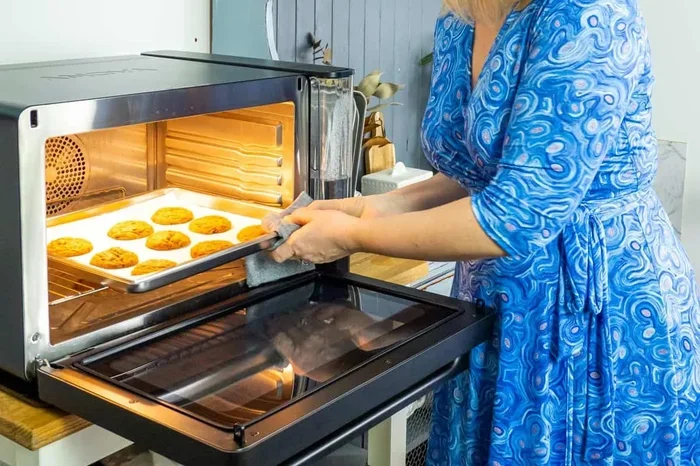
Because the convection fan circulates hot air, food cooks more evenly than in a standard microwave. You get golden-brown toast, crispy pizza edges, and evenly baked cookies. The grill microwave oven function adds another dimension for browning and caramelizing.
If you enjoy cooking but lack the space for a full oven, a convection microwave gives you professional-quality results at home.
How to Choose the Right Convection Microwave Oven
Choosing the right convection microwave oven depends on your cooking habits, kitchen space, and budget. Here is a practical guide to help you decide.
Assess Your Cooking Needs
Ask yourself what you plan to cook most often. If you mostly reheat and defrost, a basic model with microwave and convection modes will suffice. If you bake regularly, prioritize models with higher wattage, a reliable fan, and even heat distribution.
Think about the types of microwave recipes you enjoy. Do you make pizza at home? Do you bake bread or roast vegetables? Your answers will guide which features matter most.
Set a Budget
Convection microwave oven prices range widely. Budget models start around $100 and offer basic microwave and convection functions. Mid-range units between $200 and $400 include inverter technology, sensor cooking, and more presets. Premium models above $400 come with smart features, larger capacities, and premium build quality.
Set a realistic budget based on how often you will use the appliance and which features are non-negotiable for you.
Check the Build Quality
Look for a stainless steel microwave interior, which is more durable and easier to clean than plastic. Check the door seal for a tight fit, which prevents heat leakage. A sturdy build ensures your appliance lasts for years.
Read user reviews before making a final decision. Real-world feedback often reveals issues that product descriptions do not mention.
Consider Installation and Placement
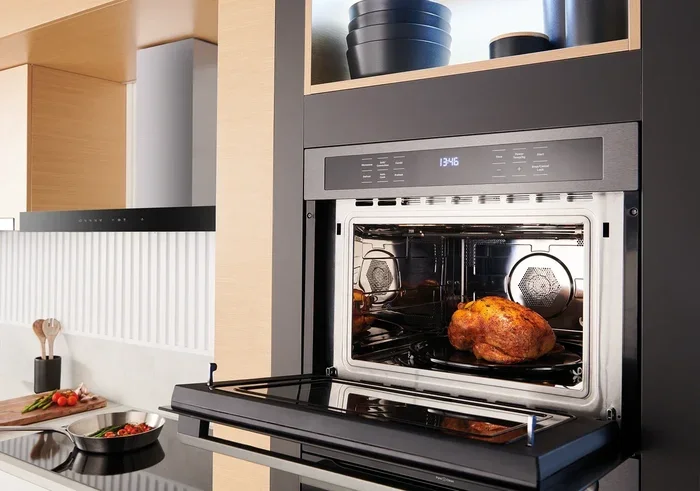
Most convection microwave oven models are countertop units, but some can be installed over a range or built into a cabinet. Measure your available space carefully. Make sure there is adequate ventilation around the unit for safe operation.
If you plan to mount the oven, check whether the model supports over-the-range installation before purchasing.
Common Mistakes to Avoid
Even the best convection microwave oven can underperform if used incorrectly. Here are common mistakes and how to avoid them.
Using Metal Cookware
Never place metal pots, pans, or foil inside a microwave convection oven when using the microwave function. Metal causes sparking and can damage the appliance. Use microwave-safe glass, ceramic, or plastic containers instead.
However, when using the convection mode only, metal cookware is generally safe. Always check your user manual for specific guidance.
Overcrowding the Turntable
Overloading the turntable blocks hot air circulation and leads to uneven cooking. Leave space between containers so air can flow freely. For convection cooking, arrange food in a single layer whenever possible.
If you need to cook large quantities, consider using a model with a larger capacity or cook in batches.
Skipping Preheating for Convection Mode
Just like a regular convection oven, preheating improves results. Skipping this step can lead to undercooked or unevenly baked food. Most convection microwave oven models preheat in 3 to 5 minutes.
Make preheating a habit, especially when baking or roasting. Your food will thank you.
Ignoring Cleaning and Maintenance
A dirty oven affects cooking performance and hygiene. Wipe down the interior after every use. Clean the grease filter regularly if your model has one. Descale the turntable and rollers to prevent buildup.
Simple maintenance habits extend the life of your appliance and keep it running efficiently for years.
Top Brands and Models to Consider
The market offers many excellent convection microwave oven brands. Here are some names consistently praised by users and experts alike.
- Panasonic: Known for inverter technology and reliable performance. Their models often lead in even heating and durability.
- Samsung: Offers sleek designs and smart features. Many models include Wi-Fi connectivity and app control.
- LG: Delivers strong value with sensor cooking and spacious interiors. Popular for family-sized households.
- Toshiba: A solid budget-friendly option with good build quality and consistent cooking results.
- Breville: Premium brand with advanced features and excellent build quality. Ideal for serious home cooks.
Compare models within your price range and read multiple reviews before deciding. The best microwave convection oven for you depends on your specific needs and cooking habits.
Tips for Getting the Most Out of Your Convection Microwave Oven
Once you have your convection microwave oven, these tips will help you use it to its full potential.
- Use the right cookware. Glass, ceramic, and microwave-safe plastic work best for both microwave and convection modes.
- Experiment with combination cooking. Try using microwave and convection together for faster, better results on roasts and baked goods.
- Rotate food manually. Even with a turntable, rotating dishes halfway through ensures more even cooking.
- Learn your model’s presets. Spend time exploring the preset menus. They are designed to optimize cooking for specific foods.
- Keep the manual handy. Refer to the user manual for model-specific tips, cleaning instructions, and safety guidelines.
- Use convection mode for crispiness. When you want golden-brown results, the convection function is your best friend.
- Clean regularly. A clean oven performs better and lasts longer. Make cleaning part of your routine.
Is a Convection Microwave Oven Worth It?
The short answer is yes, for most households. A convection microwave oven offers incredible versatility in a compact footprint. It replaces the need for multiple appliances, saves counter space, and delivers excellent cooking results.
If you love cooking but have limited kitchen space, or if you want a faster, more energy-efficient way to prepare meals, this appliance is a worthy investment. Whether you are a college student, a busy professional, or a family cook, a convection microwave can transform the way you prepare food at home.
The key is choosing the right model for your needs, using it correctly, and maintaining it well. With the right approach, your convection microwave oven will serve you well for many years to come.
Conclusion
A convection microwave oven is one of the smartest kitchen investments you can make today. It brings together the speed of microwave cooking with the versatility of convection baking and grilling. From reheating last night’s dinner to baking a fresh loaf of bread, this appliance handles it all with ease.
We covered how these ovens work, what features to look for, common mistakes to avoid, and top brands to consider. Armed with this knowledge, you are ready to choose the perfect microwave convection oven for your home and cooking style.
Take your time, compare your options, and invest in a model that fits your needs. A great convection microwave oven makes everyday cooking faster, easier, and more enjoyable.
Frequently Asked Questions
Can I use metal utensils in a convection microwave oven?
You can use metal utensils only when running the convection mode, not the microwave mode. Microwave energy reacts with metal and can cause sparking. Always check your user manual for specific guidance on safe cookware materials.
Is a convection microwave oven the same as an air fryer?
They are similar but not the same. Both use a fan to circulate hot air for crisping food. However, a convection microwave oven also has microwave functionality, which an air fryer does not. This makes the combo unit more versatile overall.
How much does a good convection microwave oven cost?
Prices vary based on brand, capacity, and features. Budget models start around $100, mid-range units cost between $200 and $400, and premium models can exceed $500. Choose based on your cooking needs and how often you plan to use the appliance.
Can I bake cakes in a convection microwave oven?
Yes, you can bake cakes using the convection mode. Use a microwave-safe cake pan, grease it well, and follow your recipe. The convection fan ensures even heat distribution, which helps cakes bake evenly and rise properly.
Do I need to preheat a convection microwave oven?
Yes, preheating is recommended for convection cooking, especially for baking and roasting. Most models preheat in 3 to 5 minutes. Skipping this step can result in unevenly cooked or undercooked food.
How do I clean my convection microwave oven?
Wipe the interior with a damp cloth after each use. For tough stains, heat a bowl of water with lemon juice for a few minutes to loosen grime. Clean the turntable, grease filter, and door seal regularly to maintain performance and hygiene.