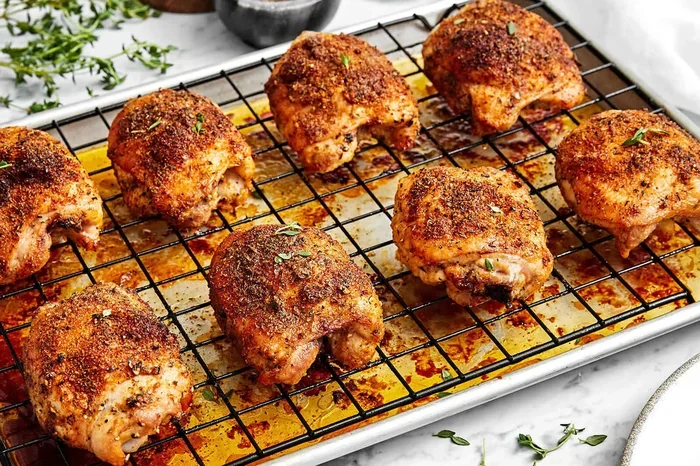
How Long To Cook Butterflied Chicken In A Standard Oven
Wondering how long to cook butterflied chicken in oven? This guide gives you exact timing, temperature, and tips for juicy, crispy results every time. You’ll learn the ideal oven temp, how to check doneness, and common mistakes to avoid. Perfect for bone-in or boneless cuts.
Ever wondered how long to cook butterflied chicken in oven? It’s one of the simplest ways to get crispy skin and juicy meat. A butterflied chicken opens up like a book, cooking evenly and fast. Whether you have bone-in thighs or boneless breasts, the oven does the work. This guide walks you through every step. You’ll learn the exact times, temperatures, and pro tips that guarantee success.
Roasting a butterflied chicken in a standard oven is a game-changer. It saves time and gives you beautiful, golden results. The key is knowing the right heat and duration. We’ll cover everything from preparation to serving. By the end, you’ll feel confident to roast chicken any night of the week.
Key Takeaways
- Standard Oven Temp: Roast butterflied chicken at 375°F to 425°F for crispy skin and juicy meat.
- Cooking Time: Bone-in pieces take 35–45 minutes; boneless breasts cook in 20–25 minutes.
- Internal Temperature: Always reach 165°F (74°C) at the thickest part for food safety.
- Resting Matters: Let chicken rest 5–10 minutes to lock in juices.
- Seasoning Boost: A simple marinade or herb butter elevates flavor dramatically.
- Avoid Overcooking: Use a meat thermometer—guessing leads to dry chicken.
📑 Table of Contents
What Is Butterflied Chicken And Why Roast It?
Butterflied chicken means splitting the bird or cutting a breast open flat. You remove the backbone and press it down. This technique is also called spatchcocking. It creates a thin, even piece of meat. Heat reaches every part at once. That means no more raw centers or overcooked edges.
A whole chicken butterflied fits perfectly in a standard oven. It cooks faster than a traditional roast. The exposed surface area crisps up beautifully. You get golden skin on both sides. The meat stays juicy because it cooks evenly. This method works for bone-in chicken pieces too.
The Butterflied Technique
To butterfly a whole chicken, use kitchen shears. Cut along both sides of the backbone. Remove it completely. Flip the bird and press firmly on the breastbone. It should open flat like a book. For chicken breasts, slice horizontally through the thickest part. Open it like a pocket. Both methods work great in the oven.
Benefits of Oven Roasting
Oven roasting gives you crispy skin without constant attention. The dry heat crisps the outside while keeping the inside moist. A butterflied shape reduces cooking time by up to 50 percent compared to a whole bird. It also uses less pan space. You can cook multiple pieces on one sheet pan. Cleanup is a breeze.
How Long To Cook Butterflied Chicken In Oven
So, how long to cook butterflied chicken in oven? The answer depends on the cut and thickness. Bone-in pieces need more time than boneless ones. We’ll break it down by type. Always use a meat thermometer for accuracy. That’s the only way to know it’s perfectly done.
Cooking Times By Cut
Bone-in chicken breast halves take about 35 to 40 minutes at 375°F. Bone-in thighs and drumsticks need 40 to 45 minutes. Boneless, skinless chicken breasts cook fast. They’re done in 20 to 25 minutes at 400°F. Thicker pieces may need a few extra minutes. Check the internal temperature often.
Chicken thighs are forgiving and stay moist. Drumsticks cook quickly because of their size. Wings can crisp in just 25 minutes at 425°F. A whole butterflied chicken needs 45 to 55 minutes at 425°F. The weight matters most here. A 3-pound bird cooks faster than a 4-pounder.
Temperature Guide
The USDA recommends cooking chicken to 165°F internally. Let the chicken rest for 5 minutes after pulling it out. The temperature will rise by 5 degrees. That carryover cooking finishes the job safely. For juicier results, pull bone-in chicken at 160°F. It will rest up to 165°F.
Comparison Table: Cooking Times For Different Cuts
| Chicken Cut | Weight Range | Oven Temp | Cook Time | Internal Temp |
|---|---|---|---|---|
| Bone-in breast halves | 6–8 oz each | 375°F | 35–40 min | 165°F |
| Bone-in thighs | 4–6 oz each | 375°F | 40–45 min | 165°F |
| Boneless breasts | 4–6 oz each | 400°F | 20–25 min | 165°F |
| Whole butterflied chicken | 3–4 lbs | 425°F | 45–55 min | 165°F |
How To Check Doneness
Use an instant-read meat thermometer. Insert it into the thickest part of the meat. Avoid touching bone. The reading should hit 165°F. If you don’t have a thermometer, cut into the thickest part. The juices should run clear. The meat should be white all the way through. Never rely on color alone.
The Perfect Oven Temperature And Settings
Choosing the right oven temperature is crucial. Too low and the chicken steams. Too high and the skin burns before the inside cooks. We recommend 375°F for even cooking. If you want extra crispy skin, bump it up to 425°F. The high heat crisps the fat quickly. Just watch it closely.
Convection vs Conventional Oven
Convection ovens circulate hot air with a fan. They cook food faster and more evenly. Reduce the temperature by 25°F when using convection. For example, roast at 375°F conventional or 350°F convection. The fan can also dry out the skin faster. That’s great for crispy chicken. But check earlier than the recipe suggests.
Preheating And Rack Position
Always preheat your oven. Put the rack in the center position. This allows air to flow around the chicken evenly. A hot oven gives a good sear right away. Placing chicken on a cold pan leads to soggy skin. Line your baking sheet with parchment paper. It prevents sticking and makes cleanup easy.
Seasoning And Marinade Ideas
Butterflied chicken takes seasoning beautifully. The flat shape means more surface area for flavor. A simple salt and pepper rub works wonders. But you can get creative. Marinating adds moisture and depth. Even 30 minutes makes a big difference.
Simple Salt & Pepper
Start with kosher salt and freshly ground black pepper. Pat the chicken dry with paper towels. Dry skin crisps better. Sprinkle the salt evenly on both sides. Let it sit at room temperature for 20 minutes. This helps the salt penetrate and the skin dry out. Dry skin equals extra crispy chicken.
Flavorful Marinades
Try a lemon garlic marinade. Mix olive oil, lemon juice, minced garlic, and herbs. Yogurt-based marinades tenderize the meat. Paprika and cumin add a smoky kick. For a sweet and savory glaze, use honey and soy sauce. Marinate for at least 30 minutes. Overnight is even better for deeper flavor.
Herb Butter Finish
When the chicken is almost done, add herb butter. Mix softened butter with chopped rosemary and thyme. Spread it over the hot chicken right out of the oven. The butter melts into the meat. It adds richness and a restaurant-quality finish. A sprinkle of flaky salt on top ties it all together.
Common Mistakes To Avoid
Even easy recipes have pitfalls. Avoid these common errors for perfect results every time.
Overcooking The Chicken
Overcooking is the number one mistake. It turns juicy meat into dry cardboard. The lean breast meat dries out fast. Bone-in thighs are more forgiving. They contain more fat and stay moist longer. Always set a timer. Pull the chicken at the right temp and let carryover cooking finish the job.
Skipping The Rest
Resting the chicken is non-negotiable. Cutting into it too soon releases all the juices. The meat becomes dry and bland. Let it rest for 5 to 10 minutes on the cutting board. Tent it loosely with foil. The juices redistribute throughout the meat. You’ll notice a big difference in juiciness.
Using The Wrong Pan
A flimsy thin pan causes uneven cooking. It can also warp in the oven. Use a sturdy sheet pan or a glass baking dish. Line it with parchment or foil for easy cleanup. Don’t crowd the pan. Give each piece space for air to circulate. Overcrowding steams the chicken instead of roasting it.
Serving And Storage Tips
Once your butterflied chicken is done, you want to enjoy it fully. Proper serving and storage keep it delicious for days.
How To Rest The Chicken
Transfer the chicken to a warm plate or cutting board. Loosely tent it with aluminum foil. Resist the urge to cut into it immediately. The resting period allows the muscle fibers to relax. They reabsorb the juices. This makes every bite tender and flavorful. Five minutes is a minimum. Ten minutes is even better.
Storing Leftovers Safely
Refrigerate leftover chicken within two hours. Place it in an airtight container. It stays fresh for up to four days in the fridge. For longer storage, freeze the cooked chicken. Use freezer-safe bags or containers. Label them with the date. Frozen cooked chicken keeps for up to three months.
Reheating Without Drying Out
Reheating is the trickiest part. The microwave can make chicken rubbery. Instead, use the oven or a skillet. Warm it in the oven at 300°F for 10 to 15 minutes. Add a splash of chicken broth to the pan. Cover with foil to trap moisture. This method keeps the chicken moist and tasty.
Expert Insights And Quick Tips
We asked professional chefs for their top tips on roasting butterflied chicken. Here’s what they shared.
Expert Insights
Chef Maria recommends brining chicken for extra juiciness. A quick 30-minute soak in salt water works wonders. Chef David suggests using a wire rack over the baking sheet. It elevates the chicken and allows hot air to reach the underside. The skin gets evenly crispy. Both pros agree on one thing: always use a meat thermometer. It removes all guesswork.
Quick Tips
- Dry the skin: Pat chicken dry before seasoning. Moisture is the enemy of crispiness.
- Room temp start: Take chicken out of the fridge 20 minutes before roasting. It cooks more evenly.
- Don’t forget the pan drippings: Those golden bits are liquid gold. Deglaze the pan with broth for a quick sauce.
- Use a digital thermometer: It gives instant readings and prevents overcooking.
- Rest on a warm plate: Cold plates cool the chicken too fast.
Conclusion
Now you know exactly how long to cook butterflied chicken in oven. The right temperature, timing, and technique make all the difference. You can achieve crispy skin and juicy meat every single time. Remember to use a meat thermometer and let the chicken rest. Season it well and avoid common mistakes. With these tips, you’ll roast butterflied chicken like a pro. Enjoy it for dinner tonight and make it a weekly favorite.
Frequently Asked Questions
Can I cook butterflied chicken from frozen?
It’s not recommended. Frozen chicken takes much longer to cook and may not reach a safe internal temperature evenly. Always thaw chicken in the refrigerator overnight before roasting for the best results and food safety.
What oven temperature is best for crispy skin?
425°F is ideal for getting crispy skin on butterflied chicken. The high heat quickly renders the fat and browns the surface. If your oven runs cool, you may need to increase the temperature slightly or extend the cooking time by a few minutes.
How do I know if butterflied chicken is done without a thermometer?
Cut into the thickest part of the meat. The juices should run clear, not pink. The meat should be white all the way through. However, a meat thermometer is the most reliable tool and removes any guesswork.
Can I use a glass baking dish instead of a sheet pan?
Yes, a glass baking dish works well. It heats evenly and is easy to clean. Keep in mind that glass may slow down the browning slightly compared to a metal sheet pan. You might need to add a few extra minutes to the cooking time.
How long can I store cooked butterflied chicken in the fridge?
Cooked chicken stays fresh in the refrigerator for up to four days when stored in an airtight container. Make sure it cools to room temperature within two hours before refrigerating. For longer storage, freeze it for up to three months.
Why is my butterflied chicken dry after roasting?
Dry chicken usually means it was overcooked or not rested properly. Always pull the chicken at the right internal temperature and let it rest for at least five minutes. Using a meat thermometer and avoiding peeking in the oven too often helps keep the meat juicy.