How To Cook Turkey Thighs In The Oven Without Drying Out
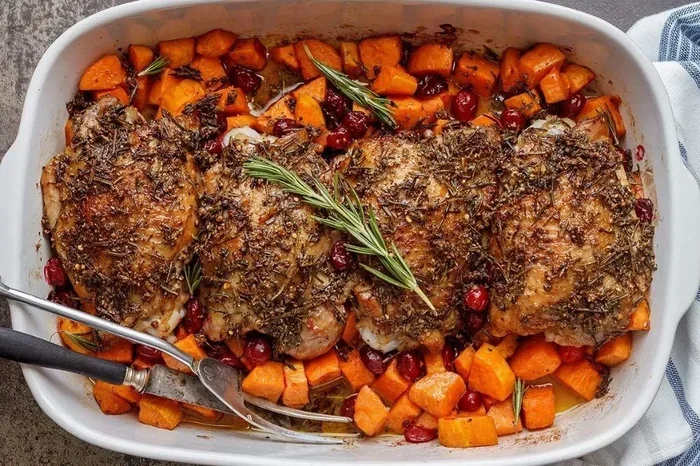
Learning how to cook turkey thighs in the oven without drying out is easier than you think. With the right temperature, seasoning, and timing, you can enjoy perfectly juicy turkey thighs every single time. This guide covers everything from choosing the best cuts to nailing the ideal oven temperature. You will also discover simple tips that keep the meat tender and full of flavor. Say goodbye to dry, tough turkey and hello to restaurant-quality results at home.
Key Takeaways
- Bone-in, skin-on turkey thighs retain more moisture and flavor than boneless options.
- Brining or marinating your turkey thighs before cooking keeps them incredibly juicy.
- Roasting at 375°F to 400°F is the sweet spot for tender, evenly cooked turkey thighs.
- Resting the meat for 10 minutes after cooking locks in the juices.
- Using a meat thermometer ensures your turkey thighs reach the safe internal temperature of 165°F.
- Avoid overcooking by monitoring time closely and pulling the turkey out at the right moment.
📑 Table of Contents
- Why Turkey Thighs Are the Best Cut for Oven Cooking
- Choosing the Right Turkey Thighs for Your Recipe
- The Best Seasonings and Marinades for Flavorful Turkey Thighs
- Oven Temperature and Timing Guide for Perfect Turkey Thighs
- Tips and Tricks to Keep Turkey Thighs Moist and Tender
- Common Mistakes That Dry Out Turkey Thighs
- Serving Suggestions and Meal Ideas
- Frequently Asked Questions
- Final Thoughts on Cooking Turkey Thighs in the Oven
Why Turkey Thighs Are the Best Cut for Oven Cooking
Turkey thighs are one of the most underrated cuts in the kitchen. They are naturally juicier than turkey breast. The higher fat content in dark meat makes them more forgiving when cooking in the oven. Even if you slightly overestimate the time, turkey thighs tend to stay moist and tender.
Many home cooks avoid turkey because they fear dry, bland meat. But that problem almost always comes from overcooking the breast. When you learn how to cook turkey thighs in the oven without drying out, you open up a world of easy, delicious meals. They are perfect for weeknight dinners and holiday feasts alike.
Bone-in, skin-on turkey thighs work best for oven roasting. The bone adds flavor during cooking. The skin crisps up beautifully and acts as a natural barrier that traps moisture inside the meat. If you want the best results, always choose bone-in thighs over boneless ones.
Another great reason to cook turkey thighs is their versatility. You can season them simply with salt and pepper. Or you can go bold with herbs, garlic, and spices. They pair well with so many flavors, which makes them a favorite for home cooks of all skill levels.
The Science Behind Juicy Turkey Thighs
Dark meat has more connective tissue than white meat. When you cook it slowly at the right temperature, that connective tissue breaks down into gelatin. This gelatin keeps the meat moist and gives it a rich, silky texture. That is why slow-roasted turkey thighs feel so much better than fast-cooked ones.
The skin also plays an important role. It renders fat during cooking, which bastes the meat from the outside in. This natural basting process is one of the biggest secrets to juicy oven-roasted turkey thighs. You just need to make sure the oven temperature is not too high, or the skin will burn before the fat renders.
Choosing the Right Turkey Thighs for Your Recipe
Not all turkey thighs are created equal. The type you buy can make a big difference in your final result. Here is what to look for at the store or butcher.
Bone-in vs. Boneless Turkey Thighs
- Bone-in thighs are the best choice for oven roasting. The bone insulates the meat and adds deep flavor. They are harder to overcook because the bone slows down heat transfer.
- Boneless thighs cook faster but dry out more easily. If you go boneless, be extra careful with timing and temperature.
Skin-On vs. Skinless
- Skin-on thighs are ideal for crispy, juicy results. The skin protects the meat and crisps up in the oven.
- Skinless thighs are a lower-calorie option. But they need extra care because the meat can dry out faster without that protective layer.
Fresh vs. Frozen
- Fresh turkey thighs cook more evenly and have better texture.
- Frozen thighs work fine too, but make sure they are fully thawed before cooking. Cooking frozen or partially frozen meat leads to uneven results and can cause dry spots.
When you shop for turkey thighs, look for ones that feel plump and moist. Avoid any that look dry or have a grayish color. The skin should be smooth and pale. If you are buying from a butcher, ask them to trim excess fat if needed, but leave enough to keep the meat juicy during cooking.
The Best Seasonings and Marinades for Flavorful Turkey Thighs
Seasoning is where you can really make your turkey thighs shine. A good marinade or dry rub adds flavor and helps keep the meat moist. The right combination of herbs and spices transforms simple turkey thighs into something extraordinary.
Simple Seasoning Blend
- Kosher salt
- Black pepper
- Garlic powder
- Smoked paprika
- Dried thyme
- Dried rosemary
This basic blend works beautifully on every batch of turkey thighs. The salt draws out moisture at first, but it then gets reabsorbed, seasoning the meat deeply. The garlic and herbs add a savory aroma that fills your kitchen while the turkey roasts.
Marinade for Extra Moisture
If you want to take your turkey thighs to the next level, try a simple marinade. Combine olive oil, lemon juice, minced garlic, fresh herbs, and a splash of chicken broth. Marinate the thighs for at least two hours, or overnight for the best results. The acid in the lemon gently tenderizes the meat, while the oil helps lock in moisture during roasting.
Pro Tip: Always season your turkey thighs at least 30 minutes before cooking. Even better, salt them the night before and let them sit uncovered in the fridge. This dry-brining technique draws out moisture, dissolves the salt, and then reabsorbs it back into the meat. The result is seasoned, juicy turkey thighs with perfectly crispy skin.
Brine vs. Marinade: Which Works Better?
Both brining and marinating help keep turkey thighs moist. A brine uses salt dissolved in water. It works by changing the protein structure of the meat so it holds onto more water during cooking. A marinade uses oil, acid, and seasonings to add flavor and tenderize the surface.
For oven-baked turkey thighs, brining is slightly more effective at preventing dryness. But it takes more time and planning. A marinade is faster and easier. If you are short on time, a simple marinade with olive oil and herbs will still give you excellent results.
Oven Temperature and Timing Guide for Perfect Turkey Thighs
Getting the temperature and timing right is the most important part of learning how to cook turkey thighs in the oven without drying out. Too hot and the outside burns before the inside cooks. Too low and the meat takes forever and can still turn out dry.
Recommended Oven Temperature
The ideal temperature for roasting turkey thighs is between 375°F and 400°F. At 375°F, the meat cooks more gently and stays very juicy. At 400°F, the skin gets crispier faster, but you need to watch the time more closely. Both temperatures work well, so choose based on your preference.
Cooking Time by Thigh Size
- Small thighs (4-6 oz each): 25 to 30 minutes at 400°F
- Medium thighs (6-8 oz each): 35 to 40 minutes at 375°F
- Large thighs (8-12 oz each): 40 to 50 minutes at 375°F
These times are approximate. The real secret is using a meat thermometer. Insert it into the thickest part of the thigh, avoiding the bone. The internal temperature should reach 165°F for food safety. But for the juiciest result, pull the thighs out at 160°F. The temperature will rise a few degrees while the meat rests.
Should You Cover Turkey Thighs with Foil?
Some recipes recommend covering turkey thighs with foil for the first half of cooking. This traps steam and keeps the meat moist. However, it also prevents the skin from crisping. If you want crispy skin, skip the foil. If you prefer very tender meat and do not care about crispy skin, cover with foil for the first 20 minutes, then uncover for the rest of the cook.
The Resting Period: Why It Matters
One of the most overlooked steps in cooking turkey thighs is resting. Once the meat comes out of the oven, let it sit for at least 10 minutes before cutting. During cooking, the juices move toward the center of the meat. Resting allows those juices to redistribute evenly throughout the thigh.
If you cut into the turkey too soon, all those juices run out onto the cutting board. The meat stays moist, but you lose all that flavorful liquid. A simple 10-minute rest makes a noticeable difference in juiciness. Tent the thighs loosely with foil during resting to keep them warm.
Tips and Tricks to Keep Turkey Thighs Moist and Tender
Now that you know the basics, here are some advanced tips that take your turkey thighs from good to great. These techniques help you avoid the common pitfalls that lead to dry meat.
1. Use a Rack for Even Cooking
Place your turkey thighs on a wire rack set inside a baking sheet. The rack allows hot air to circulate around the meat evenly. It also lets fat drip away from the meat, which helps the skin crisp up. Without a rack, the bottoms of the thighs can sit in liquid and become soggy.
2. Baste the Thighs During Cooking
Basting means spooning the pan juices over the turkey thighs while they cook. This keeps the surface moist and adds flavor. Open the oven every 15 minutes, baste the thighs, and close the door quickly. The less heat you lose, the more evenly the meat cooks.
3. Add Liquid to the Pan
Pour a cup of chicken broth or water into the bottom of the baking pan. This creates steam in the oven, which keeps the environment moist. The steam prevents the meat from drying out, especially during longer cooking times. You can also add aromatics like onion slices, garlic cloves, or lemon wedges to the pan liquid for extra flavor.
4. Do Not Overcrowd the Pan
Give each thigh enough space on the baking sheet. Crowding traps steam and creates uneven cooking. The thighs need room for hot air to flow around them. If you are cooking a large batch, use two baking sheets instead of cramming them all onto one.
5. Let the Turkey Come to Room Temperature
Take the turkey thighs out of the fridge 20 to 30 minutes before cooking. Cold meat placed in a hot oven cooks unevenly. The outside overcooks while the center stays underdone. Bringing the meat closer to room temperature helps it cook more uniformly and reduces the overall cooking time.
6. Use a Meat Thermometer
This is the single most important tool for cooking turkey thighs. You cannot guess the internal temperature by looking at the meat. A reliable instant-read thermometer takes the guesswork out of cooking. It takes seconds to use and guarantees perfectly cooked, safe turkey every time.
Quick Tips at a Glance
- Always use bone-in, skin-on thighs for the best results.
- Brine or marinate for at least 2 hours before cooking.
- Roast at 375°F to 400°F for even cooking.
- Use a wire rack on a baking sheet.
- Baste every 15 minutes for extra moisture.
- Add broth or water to the pan for steam.
- Rest the meat for 10 minutes before serving.
- Check internal temperature with a meat thermometer.
Common Mistakes That Dry Out Turkey Thighs
Even experienced cooks make mistakes that lead to dry turkey. Knowing what to avoid is just as important as knowing what to do. Here are the most common errors people make when roasting turkey thighs in the oven.
1. Cooking at Too High a Temperature
A very hot oven might seem like a shortcut to crispy skin. But high heat dries out the meat before it has time to cook through. The outside burns while the inside remains undercooked. Stick to 375°F or 400°F for the best balance of crispy skin and juicy meat.
2. Overcooking the Thighs
This is the number one cause of dry turkey. Every minute you leave the thighs in the oven past their ideal doneness, more moisture escapes. The difference between perfectly juicy and dry, stringy meat can be just 5 to 10 minutes. Set a timer and check the temperature early.
3. Skipping the Resting Period
Cutting into turkey thighs immediately after pulling them from the oven releases all the built-up juices. The meat looks moist at first, but it quickly dries out as you eat. Always let the thighs rest for at least 10 minutes before serving.
4. Using a Thin Baking Pan
A thin, dark baking pan absorbs too much heat and can scorch the bottoms of the turkey thighs. Use a heavy, light-colored baking sheet or a roasting pan instead. This prevents burning and promotes even browning.
5. Not Accounting for Carryover Cooking
Turkey thighs continue cooking after you remove them from the oven. This is called carryover cooking. The internal temperature can rise 5 to 10 degrees during resting. If you wait until the thermometer reads 165°F before pulling the thighs out, they will likely be overcooked by the time they reach the table. Pull them out at 160°F instead.
6. Forgetting to Season Adequately
Underseasoned turkey tastes bland and can feel dry even when it is properly cooked. Salt is especially important because it helps the meat retain moisture. Do not be shy with your seasoning. A well-seasoned turkey thigh is always more enjoyable than a bland one.
Comparison Table: Common Mistakes vs. Best Practices
| Mistake | Best Practice |
|---|---|
| Cooking at 425°F or higher | Roast at 375°F to 400°F |
| Checking doneness by time only | Use a meat thermometer |
| Cutting into the meat right away | Rest for 10 minutes minimum |
| Using a thin, dark pan | Use a heavy, light-colored baking sheet |
| Overcrowding the pan | Space thighs evenly with room to breathe |
| Skipping brine or marinade | Marinate or brine for at least 2 hours |
By avoiding these mistakes, you dramatically improve your chances of serving perfectly juicy turkey thighs every time. It is amazing how a few small changes in your approach can transform the final result.
Serving Suggestions and Meal Ideas
Once you have mastered how to cook turkey thighs in the oven without drying out, it is time to think about serving them. Turkey thighs pair wonderfully with a variety of sides and make for a complete, satisfying meal.
Easy Side Dish Ideas
- Roasted root vegetables like carrots, parsnips, and sweet potatoes
- Crispy roasted potatoes with rosemary and garlic
- A simple green salad with lemon vinaigrette
- Steamed green beans with butter and almonds
- Creamy mashed potatoes for a comfort food pairing
- Wild rice pilaf or quinoa for a lighter option
Sauces to Elevate Your Turkey Thighs
A simple pan sauce made from the drippings in your baking pan adds incredible flavor. Deglaze the pan with a splash of chicken broth or white wine, scrape up the browned bits, and simmer until slightly thickened. Stir in a knob of butter for richness. Pour this over the turkey thighs just before serving.
Another great option is a chimichurri sauce made with fresh parsley, garlic, olive oil, and red wine vinegar. The bright, herbaceous flavor cuts through the richness of the turkey and adds a vibrant contrast. A classic gravy made from pan drippings and flour is also a timeless choice that everyone loves.
Meal Prep and Leftovers
Cooked turkey thighs store well in the refrigerator for up to four days. You can also freeze them for up to three months. Use leftover turkey thighs in sandwiches, salads, soups, or wraps. They make excellent meal prep ingredients for busy weekdays. Shredded turkey thighs tossed into a quesadilla or taco filling is a quick and delicious way to use up leftovers.
Frequently Asked Questions
What is the best temperature to cook turkey thighs in the oven?
The best temperature for roasting turkey thighs is between 375°F and 400°F. At 375°F, the meat cooks gently and stays very juicy. At 400°F, the skin gets crispier, but you need to monitor the cooking time more closely. Both temperatures produce excellent results when you follow the timing guidelines and use a meat thermometer.
How long does it take to cook turkey thighs in the oven?
Cooking time depends on the size of the thighs and the oven temperature. Medium bone-in thighs typically take 35 to 40 minutes at 375°F. Smaller thighs may be done in 25 to 30 minutes at 400°F. Always use a meat thermometer to check for doneness. The internal temperature should reach 165°F in the thickest part of the thigh.
Should I cover turkey thighs with foil while cooking?
It depends on your preference. Covering with foil traps steam and keeps the meat very moist, but it prevents the skin from crisping. If you want crispy skin, cook uncovered the entire time. If you prefer tender meat and do not mind softer skin, cover with foil for the first half of cooking, then uncover for the last 15 to 20 minutes.
How do I know when turkey thighs are done without a thermometer?
The juices should run clear when you pierce the thickest part of the thigh with a fork. The meat should feel firm but still have some give when you press it. However, a meat thermometer is the most reliable method. It removes all guesswork and ensures the turkey is both safe and perfectly cooked every time.
Can I cook frozen turkey thighs in the oven?
It is best to thaw turkey thighs completely before cooking. Cooking frozen or partially frozen meat leads to uneven results. The outside may overcook while the center remains underdone. If you must cook from frozen, increase the cooking time by about 50 percent and use a meat thermometer to check that the internal temperature reaches 165°F throughout.
Why are my turkey thighs dry even when I follow a recipe?
Dry turkey thighs are almost always caused by overcooking. Even a few extra minutes in the oven can make a big difference. Other common causes include using boneless thighs without extra care, skipping the resting period, or cooking at too high a temperature. Following the tips in this guide, especially using a meat thermometer and resting the meat, will solve this problem.
Final Thoughts on Cooking Turkey Thighs in the Oven
Learning how to cook turkey thighs in the oven without drying out is one of the most useful skills you can build in the kitchen. It is not complicated. It just requires a little attention to detail and the right approach. From choosing the right cut to nailing the temperature, every step matters.
The key takeaways are simple. Choose bone-in, skin-on thighs. Season them well and give them time to absorb the flavors. Roast at the right temperature and use a meat thermometer. Rest the meat before serving. And most importantly, do not walk away from the oven and forget about them.
Once you try these methods, you will never go back to dry, disappointing turkey again. Your family and guests will ask for seconds. The crispy skin, the juicy meat, and the wonderful aromas will make your oven-roasted turkey thighs the star of any meal.
Start with this guide, experiment with different seasonings, and find your favorite combination. Cooking turkey thighs in the oven is one of those simple pleasures that brings real joy to the kitchen. Enjoy the process, savor the results, and share the delicious food with the people you love.