How To Crisp Up Potatoes In Oven With These Simple Tips
Discover how to crisp up potatoes in oven using foolproof methods that guarantee golden, crunchy results every single time. Whether you love crispy potato wedges, roasted bites, or oven fries, these simple tips will transform your potato game. From choosing the right spuds to nailing the perfect oven temperature, we cover everything you need to know. Say goodbye to soggy, limp potatoes and hello to crispy perfection.
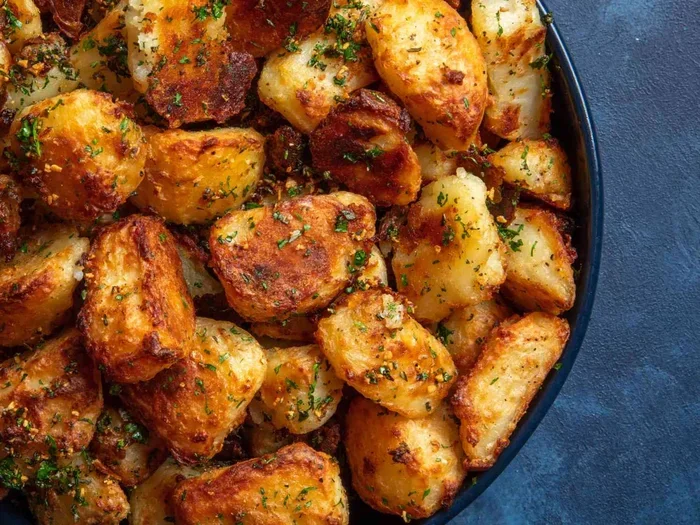
There is nothing quite like a plate of crispy roasted potatoes coming straight out of the oven. Golden brown edges, a fluffy interior, and that satisfying crunch with every bite. Yet so many people struggle to get this perfect texture at home. The good news is that crisping up potatoes in the oven is easier than you think.
In this guide, we will walk you through every step needed to achieve perfectly crispy oven potatoes. Whether you are making potato wedges, roasted chunks, or crispy potato fries, these tips will change your results forever. We have tested dozens of methods, and the ones below consistently deliver golden brown, crunchy potato perfection. Let us dive in.
Key Takeaways
- Pick the right potato variety: Russet and Yukon Gold potatoes crisp up beautifully in the oven.
- Parboil before roasting: This step removes excess starch and creates a crispy outer layer.
- Use high heat: A hot oven at 425°F or above is essential for golden, crunchy potatoes.
- Don’t overcrowd the pan: Space potatoes out so steam escapes and crispiness happens.
- Flip halfway through: Turning potatoes ensures even browning on all sides.
- Cornstarch or starch coating: A light dusting creates an extra-crunchy exterior.
- Season at the right time: Salt after roasting for maximum crunch, or before for flavor penetration.
📑 Table of Contents
- Why Oven-Crisped Potatoes Are Worth The Effort
- Choose The Right Potatoes For Crisping
- Prep Your Potatoes The Right Way
- Oven Temperature And Timing Tips
- Seasoning Ideas For Crispy Oven Potatoes
- Common Mistakes That Prevent Crispy Potatoes
- Expert Tips For Next-Level Crispy Potatoes
- Serving Ideas And Pairings
- Conclusion
Why Oven-Crisped Potatoes Are Worth The Effort
Oven-roasted potatoes are a staple in kitchens around the world. They pair with almost any meal and offer a satisfying crunch that fried potatoes cannot always match. But why do so many home cooks end up with soft, pale spuds instead of crispy roasted potatoes?
The answer usually comes down to technique. A few small mistakes can ruin an otherwise perfect batch. Overcrowding the baking sheet, using the wrong temperature, or skipping the parboiling step are common culprits. Once you understand the science behind crispy potato roasting, you will never go back to soggy results again.
The beauty of oven-roasted potatoes is their simplicity. You need very few ingredients, minimal prep time, and a standard home oven. The magic happens through a combination of heat, starch removal, and proper spacing. Each of these factors plays a huge role in the final texture. We will break all of them down for you below.
The Science Behind Crispy Potatoes
When potatoes roast at high heat, the moisture on their surface evaporates quickly. This rapid drying is what creates the crispy outer layer. Meanwhile, the starch inside the potato gelatinizes and turns soft and fluffy. The key is balancing surface dehydration with interior moisture retention.
Starch is both your friend and your enemy here. Surface starch promotes browning and crunch through the Maillard reaction. But too much surface starch can make potatoes sticky and uneven. This is why parboiling and drying are so important. They remove excess starch and set the stage for perfectly crispy potato edges.
Choose The Right Potatoes For Crisping
Not all potatoes are created equal when it comes to oven-roasted crispy potatoes. The variety you pick has a huge impact on the final texture. Some potatoes are naturally starchier and crisp better, while others hold more moisture and tend to stay soft.
Russet Potatoes: The Crisping Champion
Russet potatoes are the go-to choice for most crispy potato recipes. Their high starch content and thick skin make them ideal for roasting. When cooked at high heat, russets develop a beautifully crunchy exterior while staying fluffy inside. They are perfect for potato wedges and oversized roasted chunks.
If you want the ultimate golden brown roasted potatoes, reach for russets every time. Their rough, netted skin also adds a lovely texture contrast. Just make sure to scrub them well before cooking. The skin becomes part of the crispiness when roasted properly.
Yukon Gold Potatoes: A Creamy Alternative
Yukon Gold potatoes have a slightly lower starch content than russets, but they still crisp up wonderfully. Their thinner skin and buttery flavor make them a favorite for oven-baked potato dishes. Yukon Golds produce a creamier interior that pairs beautifully with crispy edges.
These potatoes work best when cut into smaller pieces. Their lower starch content means they benefit from a light coating of oil and cornstarch. This combination helps them achieve that satisfying crunch without drying out too much during roasting.
Red Potatoes: Use With Caution
Red potatoes are waxy and hold more moisture than starchy varieties. This makes them less ideal for extra crispy potato roasting. However, they can still produce good results if you adjust your technique. Cut them smaller, dry them thoroughly, and increase the oven temperature slightly.
Many people use red potatoes for roasted potato sides because they hold their shape well. They are great in potato salads and roasted vegetable medleys. Just know that the texture will be slightly different from what you get with russets or Yukon Golds.
| Potato Variety | Starch Level | Crisping Ability | Best For |
|---|---|---|---|
| Russet | High | Excellent | Wedges, fries, large chunks |
| Yukon Gold | Medium | Very Good | Roasted bites, mixed dishes |
| Red | Low | Moderate | Small roasted pieces, salads |
Prep Your Potatoes The Right Way
Preparation is where the magic begins. How you treat your potatoes before they hit the oven determines everything about the final result. Skipping or rushing this step is the number one reason people end up with soft, underwhelming roasted potatoes.
Parboiling: The Secret to Crispiness
Parboiling is the single most impactful step you can take for crispy oven potatoes. This process partially cooks the potatoes in boiling water before they go into the oven. It removes surface starch and creates tiny rough edges on the outside. These rough edges are where the magic happens, as they brown and crisp much faster than smooth surfaces.
To parboil your potatoes, start by cutting them into your desired size. Bring a pot of salted water to a boil and add the cut potatoes. Let them boil for about 5 to 7 minutes. You want them to be fork-tender on the outside but still firm in the center. Drain them thoroughly and move to the next step immediately.
Here is a crucial tip that many people miss: dry your potatoes completely after parboiling. Use a clean kitchen towel and pat them down until no moisture remains. Surface water creates steam in the oven, which is the enemy of crispiness. The drier your potatoes before roasting, the crunchier they will be.
The Starch-Coating Trick
After drying your parboiled potatoes, toss them with a small amount of cornstarch or arrowroot powder. This thin coating creates an extra layer of crunch that is hard to achieve any other way. The starch on the surface rapidly dehydrates in the hot oven, forming a shatteringly crispy shell.
Use about one tablespoon of cornstarch per pound of potatoes. Toss them gently in a bowl until every piece is lightly coated. Then add your oil and seasonings. The combination of cornstarch, oil, and high heat produces restaurant-quality crispy potato results every time.
Oil and Seasoning: Getting It Right
Use just enough oil to lightly coat each potato piece. Too much oil will make them greasy and prevent proper crisping. A tablespoon or two for a standard baking sheet is usually plenty. Olive oil works great, but avocado oil has a higher smoke point and browns beautifully.
Season generously with salt, pepper, and any herbs or spices you enjoy. Garlic powder, paprika, rosemary, and thyme all pair wonderfully with roasted crispy potatoes. For extra flavor, add a sprinkle of smoked paprika or a pinch of cayenne pepper. Toss everything together in the bowl before spreading on the pan.
Oven Temperature And Timing Tips
Getting the oven temperature right is absolutely critical for crisping potatoes in the oven. Too low and you will end up with pale, soft spuds. Too high and the outside burns before the inside cooks through. The sweet spot for most crispy roasted potato recipes falls between 425°F and 450°F.
Why High Heat Matters
High heat drives moisture off the potato surface quickly. This rapid evaporation is what creates the crispy layer. At lower temperatures, the potatoes steam instead of roast, resulting in a soft, sometimes mushy texture. If you want golden brown, crunchy potato perfection, commit to a hot oven.
Preheating your oven is non-negotiable. Put the oven rack in the upper third of the oven, where the heat is most intense. Allow at least 15 to 20 minutes for the oven to fully reach temperature before your potatoes go in. This small step makes a surprisingly big difference in your final results.
Timing Guidelines For Different Cuts
The size and shape of your potato pieces affect roasting time significantly. Larger wedges need more time than small diced cubes. Here is a general guide to help you nail the timing every time:
- Potato wedges (1-inch thick): 35 to 45 minutes at 425°F
- Large roasted chunks (1.5-inch cubes): 30 to 40 minutes at 425°F
- Small diced potatoes (0.5-inch cubes): 25 to 35 minutes at 440°F
- Oven fries (quarter-inch sticks): 20 to 30 minutes at 450°F
These times are approximate and can vary based on your specific oven and the size of your potato pieces. Start checking for doneness at the lower end of each range. You want the potatoes to be deeply golden and to sound hollow when you tap them with a fork.
The Importance Of Flipping
One of the simplest yet most effective tips is to flip your potatoes halfway through roasting. This ensures both sides get equal exposure to the hot oven air. Without flipping, the bottom side can become overly dark while the top stays pale and soft.
Use a spatula or tongs to gently turn each piece. Be careful not to break apart soft potato edges. Flipping once at the halfway mark is usually sufficient. If you are roasting a large batch, you may want to rotate the pan 180 degrees as well for even browning.
Using Parchment Paper Vs. Aluminum Foil
The surface you roast on matters more than most people realize. Parchment paper promotes better airflow and helps potatoes crisp evenly on the bottom. Aluminum foil, on the other hand, traps moisture and can lead to steamed, soggy potatoes.
If you want the crunchiest possible results, always use parchment paper or a bare baking sheet. A wire cooling rack placed over a baking sheet is even better, as air circulates underneath the potatoes completely. This method produces incredibly crispy oven-baked potato pieces with no soft spots.
Seasoning Ideas For Crispy Oven Potatoes
Once you master the basic technique, seasoning is where you can really get creative. The right blend of spices and herbs transforms simple roasted potatoes into a standout side dish. Here are some of our favorite flavor combinations for crispy potato wedges and roasted bites.
Classic Herb Seasoning
The timeless combination of rosemary, thyme, and garlic never disappoints. Toss your potatoes with olive oil, minced garlic, fresh rosemary, and thyme leaves. Add salt and black pepper to taste. This classic pairing works beautifully with both russet and Yukon Gold potatoes.
Spicy Smoky Flavor
For a bolder kick, try smoked paprika, cumin, chili powder, and a pinch of cayenne pepper. This combination gives your roasted potatoes a smoky, spicy kick that pairs perfectly with grilled meats and burgers. A squeeze of fresh lime juice at the end brightens all the flavors beautifully.
Garlic Parmesan
Toss hot roasted potatoes with grated Parmesan cheese and minced garlic right after they come out of the oven. The residual heat melts the cheese slightly, creating a savory, crunchy coating. Add a sprinkle of Italian herbs and a drizzle of olive oil for a restaurant-style appetizer.
Simple Salt And Vinegar
This seasoning takes inspiration from classic fish and chips. Toss hot potatoes with a light sprinkle of salt and a splash of white vinegar or malt vinegar. The vinegar adds a tangy brightness that cuts through the richness of the crispy exterior. It is especially delicious with russet potato wedges.
Common Mistakes That Prevent Crispy Potatoes
Even with the best ingredients and technique, a few common mistakes can sabotage your crispy potato results. Knowing what to avoid is just as important as knowing what to do. Here are the pitfalls to watch out for.
Overcrowding The Pan
This is the most frequent mistake home cooks make. When potatoes are crammed too close together, steam gets trapped between the pieces. That steam softens the surface and prevents crispiness from forming. Always give each potato piece plenty of space on the baking sheet.
If you have a large batch, use two baking sheets instead of overcrowding one. The extra space allows hot air to circulate freely around every piece. Your roasted potato texture will improve dramatically with this simple change.
Skipping The Drying Step
We mentioned this earlier, but it deserves repeating. Moisture is the direct enemy of crispiness. If you skip the step of thoroughly drying your potatoes after parboiling, you will end up with steamed potatoes instead of roasted ones. Take the extra two minutes to pat them completely dry with a towel.
Using Too Much Oil
A light coating of oil helps conduct heat and promotes browning. But too much oil creates a greasy layer that prevents the surface from dehydrating properly. The potatoes will absorb excess oil and turn out heavy and soft rather than light and crunchy.
Start with less oil than you think you need. You can always add a tiny bit more if the potatoes look dry. A light sheen on the surface is all you want. This approach also keeps your healthy roasted potato dish from becoming unnecessarily calorie-dense.
Opening The Oven Door Too Often
Every time you open the oven door, you release heat and let cold air in. This temperature fluctuation can prevent potatoes from crisping properly and extend cooking time significantly. Resist the urge to check on them constantly. Trust the process and only open the door when it is time to flip the potatoes.
Not Letting Potatoes Rest After Roasting
Freshly roasted potatoes continue to develop their crispy texture as they cool slightly. If you serve them immediately straight from the pan, the exterior may be softer than expected. Let them rest on the baking sheet for 3 to 5 minutes after removing them from the oven. This brief rest allows the surface to set and become even crunchier.
Expert Tips For Next-Level Crispy Potatoes
Once you have mastered the basics, these expert-level tips will take your oven-crisped potatoes to the next level. These are the techniques that professional kitchens use to achieve consistently perfect results.
The Double-Roast Method
This technique is used by chefs to achieve incredibly crispy roasted potatoes. After the first roast at 400°F for 20 minutes, remove the potatoes and increase the oven temperature to 450°F. Return the potatoes to the oven for an additional 15 to 20 minutes. The double-roast method drives off even more moisture and creates an exceptionally crunchy exterior.
Soak In Cold Water Before Cooking
Soaking cut potatoes in cold water for 30 minutes before cooking draws out even more surface starch. This extra starch removal leads to a lighter, crispier result. After soaking, be sure to dry the potatoes thoroughly before seasoning and roasting. This method works especially well for oven-baked potato fries and diced roasted potatoes.
Use A Combination Of Oils
Mixing olive oil with a high-smoke-point oil like avocado or grapeseed oil gives you the best of both worlds. Olive oil adds flavor, while the neutral oil promotes better browning at high temperatures. This simple swap can noticeably improve the texture and color of your crispy potato recipe results.
Add A Baking Soda Pinch
A tiny pinch of baking soda raises the pH level on the potato surface, which accelerates the Maillard reaction and browning. This results in deeper golden color and extra crunch. Use no more than a quarter teaspoon per pound of potatoes. Too much baking soda can leave a soapy taste, so measure carefully.
Serving Ideas And Pairings
Crispy oven potatoes are incredibly versatile and pair with a wide range of meals. Here are some serving suggestions that will make your golden roasted potatoes the star of the table.
- With steak: Crispy potato wedges alongside a juicy grilled steak make a classic, satisfying dinner.
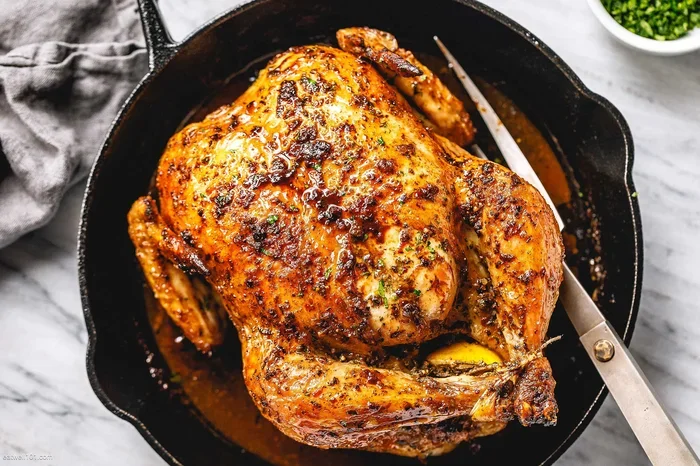
- With roasted chicken: Season potatoes with the same herbs as your chicken for a cohesive flavor profile.
- As a standalone snack: Serve crispy potato bites with a dipping sauce like aioli, sour cream, or chipotle mayo.
- In a breakfast spread: Crispy roasted potatoes pair beautifully with eggs, bacon, and toast for a hearty morning meal.
- In a salad: Add cooled roasted potato chunks to a green salad with goat cheese and a balsamic vinaigrette.
Conclusion
Crisping up potatoes in the oven comes down to a few key principles: choosing the right potato variety, parboiling and drying thoroughly, using high heat, and giving each piece enough space. Once you understand these fundamentals, you can experiment with seasonings, cuts, and techniques to find your perfect crispy roasted potato recipe.
Start with the basic method outlined in this guide and build from there. Try the double-roast method, experiment with different seasoning blends, and pay attention to how your specific oven behaves. Every batch you make will teach you something new about achieving perfectly crispy oven potatoes. The more you practice, the more consistent your results will become.
Remember that great roasted potatoes do not require expensive equipment or complicated techniques. They just require patience, attention to detail, and a willingness to learn from each attempt. Follow these tips, trust the process, and soon you will be serving golden, crunchy, delicious potatoes that everyone will love.
Now it is your turn. Preheat your oven, grab some potatoes, and put these tips into action. Your kitchen is about to smell incredible, and your taste buds are in for a real treat. Happy roasting!
Frequently Asked Questions
Can I crisp potatoes in the oven without parboiling?
Yes, you can, but the results will not be as crispy. Parboiling removes surface starch and creates rough edges that brown more effectively. If you skip this step, make sure to cut your potatoes into smaller, uniform pieces and dry them very thoroughly before roasting. You can also add a light coating of cornstarch to compensate for the missing step.
What is the best oil for crispy oven potatoes?
Avocado oil and olive oil are both excellent choices for crispy roasted potatoes. Avocado oil has a higher smoke point, which makes it ideal for very high-heat roasting. Olive oil adds more flavor and works well at moderate temperatures. You can also mix the two for the best of both worlds.
How do I keep potatoes crispy after taking them out of the oven?
The best way to maintain crispiness is to serve potatoes immediately after roasting. If you need to hold them briefly, place them on a wire rack rather than a plate. Avoid covering them with a lid or foil, as trapped steam will soften the crispy exterior. Reheating in a hot oven for 5 to 10 minutes can also restore some crunch.
Why are my roasted potatoes coming out soggy?
Soggy roasted potatoes are usually caused by overcrowding the pan, insufficient drying, or oven temperature that is too low. Make sure each potato piece has plenty of space on the baking sheet. Pat them completely dry after parboiling, and ensure your oven is fully preheated before the potatoes go in. These three fixes alone will solve most sogginess problems.
Can I use frozen potatoes for crispy oven roasting?
Yes, frozen potatoes can work well for crispy oven potatoes, especially pre-cut frozen wedges and fries. Spread them in a single layer on a parchment-lined baking sheet without thawing first. The direct-from-frozen approach actually helps prevent excess moisture buildup. Roast at 425°F to 450°F and flip halfway through for even browning.
How do I get crispy potato skin on roasted potatoes?
Crispy potato skin starts with choosing the right variety. Russet potatoes have thick, rough skins that crisp beautifully in the oven. Scrub them well, leave the skin on, and make sure the potatoes are dry before oiling and seasoning. Roasting at high heat on a parchment-lined or bare baking sheet will help the skin become wonderfully crunchy and golden.