How To Reheat Pizza In Oven At 400 For Crispy Perfection
Reheat pizza in oven at 400 is the best way to bring back leftover pizza with a crispy crust and melty cheese. This guide walks you through the exact steps, tools, and tips you need for perfect oven-reheated pizza every single time. You will learn why 400°F works so well, how to avoid common mistakes, and how to get crispy pizza edges that taste almost as good as fresh.
There is nothing quite like a slice of leftover pizza the next day. The cheese gets a little firmer. The sauce deepens in flavor. And the crust? Well, that is where things can go wrong. If you have ever pulled a slice out of the microwave only to find a soggy, rubbery mess, you know the frustration. The good news is that there is a much better way. Reheat pizza in oven at 400 and you will unlock a whole new level of texture and taste.
This method works because the oven uses dry heat. That dry heat crisps up the bottom of the crust while warming the cheese evenly. Unlike a microwave, which steams the pizza from the inside out, an oven at 400°F gives you that satisfying crunch. Whether you are reheating a single slice or an entire pizza, this guide will show you exactly how to do it right.
Reheating pizza in oven at 400 is not just a cooking trick. It is a simple skill that anyone can learn. In this article, we will cover everything you need to know. You will discover why this temperature works so well, what tools to use, and how to avoid the mistakes that ruin leftover pizza. By the end, you will never go back to the microwave again.
Key Takeaways
- 400°F is the magic temperature: Reheating pizza in oven at 400 delivers the best balance of crispy crust and melted cheese.
- Always preheat your oven: A hot oven from the start ensures even heating and a crispy pizza bottom.
- Use a pizza stone or pan: These tools conduct heat evenly and help achieve crispy pizza edges.
- Add a cup of water: This simple trick keeps your leftover pizza moist without making the crust soggy.
- Avoid the microwave: The microwave dries out pizza and makes the crust rubbery. The oven is the best way to reheat pizza.
- Timing matters: 8 to 12 minutes at 400°F is the sweet spot for most pizza slices.
- Wire racks help: Placing pizza on a wire rack allows air to circulate underneath for a uniformly crispy crust.
📑 Table of Contents
- Why Reheating Pizza In Oven At 400 Works Best
- Step-by-Step Guide To Reheat Pizza In Oven At 400
- Tools And Accessories For Perfect Results
- How To Keep Pizza Crispy Without Drying It Out
- Common Mistakes People Make When Reheating Pizza
- Expert Tips For Different Pizza Types
- How To Store Leftover Pizza For Best Reheating Results
- Conclusion
Why Reheating Pizza In Oven At 400 Works Best
You might wonder why 400°F is the go-to temperature for reheat pizza in oven at 400. The answer lies in how heat interacts with pizza. Pizza is a layered food. It has a dough base, sauce, cheese, and toppings. Each layer reacts differently to heat. Getting the balance right means choosing the right oven temperature.
The Science Behind Oven Reheating
When you reheat pizza in oven at 400, the dry heat surrounds the slice from all sides. The oven air heats the crust first. This causes the starch in the dough to retrograde, which is a fancy way of saying it becomes crisp. The cheese melts smoothly because the heat is gentle and even. The sauce warms up without burning.
At lower temperatures, like 350°F, the pizza takes longer to heat. This extra time can dry out the cheese and make the crust tough. At higher temperatures, like 450°F or above, the toppings can burn before the center is warm. 400°F hits the sweet spot. It is hot enough to crisp the crust quickly but not so hot that it destroys the toppings. This is the fundamental reason why reheat pizza in oven at 400 produces superior results compared to any other pizza reheating method.
Microwave vs Oven: Why Oven Wins
The microwave vs oven pizza debate is real. Many people reach for the microwave because it is fast. And yes, a microwave can warm pizza in about 30 seconds. But speed comes at a cost. A microwave uses water molecules to generate heat. This creates steam inside the pizza. That steam makes the crust limp and chewy. Nobody wants that.
An oven, on the other hand, uses convection and radiant heat. There is no added moisture. The result is a crispy pizza crust that tastes fresh. The cheese gets golden and bubbly. The toppings stay in place. If you care about quality, the oven wins every single time. Reheat pizza in oven at 400 and you will taste the difference immediately. This is the number one reason so many pizza lovers swear by the oven method for reheating pizza slices.
Step-by-Step Guide To Reheat Pizza In Oven At 400
Now that you understand why this method works, let us get into the details. Reheating pizza in oven at 400 is simple, but the small steps matter. Follow this guide and you will get consistent, delicious results every time.
Preparing Your Oven
The first step is to preheat your oven. Set the oven temperature to 400°F. Let the oven heat up fully before you put the pizza inside. This usually takes about 10 to 15 minutes. Preheating is one of the most overlooked pizza reheating tips. A cold oven will heat the pizza unevenly. The crust will be soft in some spots and burnt in others.
While the oven is warming up, take your leftover pizza out of the fridge. Let it sit at room temperature for about 5 minutes. This small trick helps the pizza heat more evenly. Cold pizza straight from the fridge can create a temperature shock when it hits the hot oven. That shock can make the crust tough and chewy. This is one of the easiest ways to reheat pizza without drying it out while still getting great texture.
Placing The Pizza Correctly
How you place the pizza in the oven matters a lot. You have a few options here. You can put the slice directly on the oven rack. This works well for a single slice. The hot air flows underneath and crisps the bottom. Just make sure you put a baking sheet on the rack below to catch any drips.
For multiple slices, use a pizza pan or a baking sheet. Place the slices flat on the pan. Do not overlap them. Overlapping traps steam and creates soggy spots. If you are reheating a full pizza, you can place it directly on the oven rack or on a pizza stone. A pizza stone absorbs moisture and conducts heat evenly. This is one of the best tools for achieving a crispy pizza bottom and ensuring even heating pizza from edge to center.
Timing And Temperature Tips
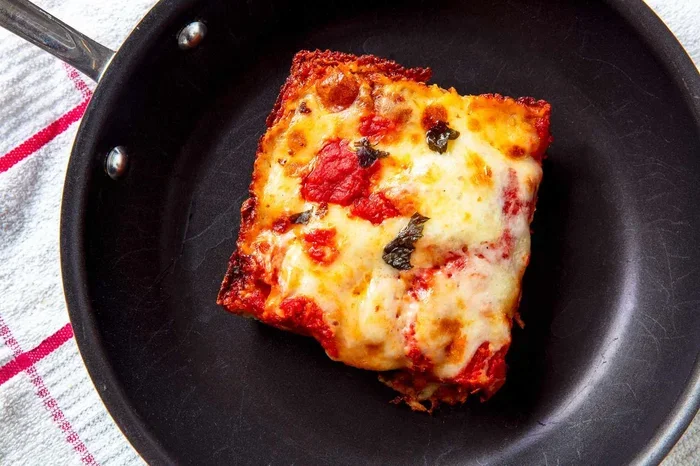
Once your oven is at 400°F and the pizza is placed, set a timer. Most slices need about 8 to 12 minutes. A full pizza may need 12 to 15 minutes. The key is to watch the pizza closely. You are looking for the cheese to bubble and turn golden brown. The crust should look lightly toasted and the edges should be slightly caramelized.
Do not just rely on the timer. Every oven is different. Some run hot, some run cool. Check your pizza a couple of minutes before the suggested time. Pull it out when it looks done. Overcooking can turn a crispy masterpiece into a burnt disappointment. Reheat pizza in oven at 400 works best when you stay attentive. Use your eyes and your nose. If it smells toasty and looks golden, it is probably perfect.
Tools And Accessories For Perfect Results
You do not need a lot of fancy equipment to reheat pizza in oven at 400. But having the right tools makes a big difference. Here are the essentials and some nice-to-have accessories that will elevate your pizza oven settings game.
Pizza Stone vs Pizza Pan
A pizza stone is a flat, thick slab made of ceramic or stone. It absorbs moisture from the dough as it heats. This creates an incredibly crispy crust. Many pizza lovers consider a pizza stone the gold standard for oven-baked pizza reheating. The stone stores heat and releases it evenly onto the pizza base. This consistent heat delivery is what creates those beautiful crispy pizza edges.
A pizza pan is more convenient. It is lighter, easier to handle, and dishwasher-safe. Most pizza pans have small holes in the base. These holes allow air to flow through and crisp the bottom. A regular baking sheet works too, but it does not have the airflow advantage. If you want the best results, a pizza stone is worth the investment. Here is a quick comparison:
- Pizza Stone: Superior crispiness, absorbs moisture, needs preheating, heavier and fragile
- Pizza Pan: Good crispiness, convenient to use, lightweight, easy to clean
- Baking Sheet: Decent results, readily available, no special airflow, works for multiple slices
- Oven Rack: Best bottom crispiness, no pan needed, requires drip tray below, best for single slices
Foil And Parchment Paper Tricks
Aluminum foil is a great helper when reheating pizza. You can line your baking sheet with foil for easy cleanup. Some people also tent the pizza loosely with foil for the first few minutes. This traps a little steam and helps the cheese melt faster. Then you remove the foil for the last few minutes to crisp the crust. This two-stage approach gives you the best of both worlds.
Parchment paper is another useful option. It is safer than foil at high temperatures and prevents sticking. Place your pizza slices on parchment paper before putting them on the pan. The paper also helps absorb a small amount of excess moisture from the bottom of the crust. This is a simple trick that makes a noticeable difference in your pizza crust reheating results. It is especially helpful for pizzas with a lot of toppings that tend to release extra oil during reheating.
How To Keep Pizza Crispy Without Drying It Out
The biggest challenge when you reheat pizza in oven at 400 is balance. You want crispy edges and a crunchy bottom. But you also want the cheese to stay creamy and the toppings to stay moist. Drying out the pizza is the number one mistake people make. Here is how to avoid it and achieve reheat pizza without drying out perfection.
The Water Trick For Moisture Control
This might sound strange, but hear me out. Before you put the pizza in the oven, place a small oven-safe cup or ramekin of water on the rack below the pizza. The water creates a humid environment in the oven. This humidity prevents the pizza from drying out while the dry heat above crisps the crust. It sounds contradictory, but it works beautifully.
This trick is especially helpful for reheating pizza slices that have been in the fridge for more than a day. Older pizza tends to dry out faster in the oven. The water counteracts this. Just make sure the water does not touch the pizza directly. Place it on a lower rack or on a separate tray. This small addition can be the difference between mediocre and crispy perfection.
Wire Rack Method
Another excellent method is to use a wire cooling rack. Place the rack on top of your baking sheet and put the pizza slices on the rack. The air circulates freely underneath the pizza. This gives you an evenly crispy pizza bottom on every slice. No soggy spots. No flipping needed.
The wire rack method is especially great for thin crust pizza. Thin crusts are more delicate and can turn soggy easily if they sit on a flat surface. The rack lifts the pizza and allows heat to reach every part of the bottom crust. This is one of the best pizza reheating tips for serious pizza lovers who want that restaurant-quality crunch at home.
Common Mistakes People Make When Reheating Pizza
Even with the best intentions, it is easy to mess up when reheating pizza. Here are the most common mistakes and how to avoid them so your leftover pizza always turns out great.
Using Too High A Temperature
Some people crank the oven to 450°F or even 500°F, thinking hotter is better. That is not the case. Too high a temperature burns the toppings before the center is warm. The cheese turns brown and crispy instead of melted and gooey. The edges of the crust char while the middle stays cold.
400°F is the ideal temperature for a reason. It provides enough heat to crisp the crust without scorching the toppings. If you find that 400°F is not crisping your pizza enough, try extending the cooking time by a couple of minutes instead of raising the temperature. Patience beats high heat every time. Remember, reheat pizza in oven at 400 is a gentle process that rewards patience.
Skipping The Preheat
This is the most common mistake people make. They put the pizza in a cold oven and turn it on. By the time the oven reaches 400°F, the pizza has been sitting in warm, damp air for 15 minutes. That extra time creates steam. And steam makes the crust soggy.
Always preheat your oven fully before adding the pizza. Wait for the oven to beep or use an oven thermometer to confirm the temperature. This one simple habit will transform your reheat pizza in oven at 400 results. The crust will be crisp from the moment it goes in. You will immediately notice the difference in texture and taste.
Other Common Errors To Avoid
- Reheating too many slices at once: Overcrowding the pan traps steam and prevents crisping. Reheat in batches if needed for the best crispy pizza crust.
- Using a microwave instead: The microwave is convenient but produces inferior results. Save it for emergencies only when you truly need pizza reheating methods that are fast.
- Forgetting to check the pizza: Set a timer but also watch the pizza. Ovens vary and visual cues matter more than any timer.
- Not storing pizza properly: How you store leftover pizza affects how well it reheats. Keep it in an airtight container in the fridge for the best results.
- Cutting too early: Let the pizza rest for 2 to 3 minutes after reheating. This allows the cheese to set and the heat to distribute evenly.
Expert Tips For Different Pizza Types
Not all pizza is the same. Different styles of pizza need slightly different approaches when you reheat pizza in oven at 400. Here are some expert tips for popular pizza varieties that will help you get the best results every time.
Thin Crust Pizza
Thin crust pizza is the easiest to reheat. The dough is already lightweight and crisp-prone. When you reheat pizza in oven at 400, thin crust needs less time. About 6 to 8 minutes is usually enough. Watch it closely because thin crust can go from perfectly crispy to burnt very quickly. The thin dough heats through fast, so there is less room for error.
For thin crust with a delicate cheese like fresh mozzarella, use the foil tent method. Cover loosely with aluminum foil for the first 4 minutes. This helps the cheese melt without over-browning. Then remove the foil for the remaining time to crisp the bottom. This approach gives you the perfect balance of melted cheese and crispy base for your thin crust pizza.
Thick Crust And Deep Dish Pizza
Thick crust and deep dish pizza need more time and a slightly different approach. These styles have more dough and more toppings. They need the full 12 to 15 minutes at 400°F. The extra dough acts as insulation, so it takes longer for the center to heat through. Patience is key with these thicker styles.
For deep dish pizza, place it on a pizza stone for the best results. The stone absorbs excess moisture from the thick dough base. This prevents the bottom from becoming waterlogged. If you do not have a pizza stone, a pizza pan with holes works well too. The holes let steam escape from below and help create a crispy base. One more tip for thick crust: let the pizza rest for 2 to 3 minutes after reheating. The cheese and sauce need time to set slightly. Cutting into it right away can cause the toppings to slide off. Patience pays off with a cleaner, more enjoyable slice every time.
How To Store Leftover Pizza For Best Reheating Results
Reheat pizza in oven at 400 works best when the pizza has been stored properly. How you store leftover pizza the night before makes a huge difference in the final result. Good storage preserves the texture and flavor so your reheating efforts are not wasted.
Never leave pizza out on the counter overnight. Bacteria grow quickly at room temperature. Instead, place leftover slices in an airtight container or wrap them tightly in plastic wrap. You can also use the original pizza box if it fits in your fridge. The key is to minimize air exposure, which dries out the crust and makes pizza crust reheating more difficult.
If you have a full pizza left, you can also freeze it. Wrap the whole pizza tightly in aluminum foil and then place it in a freezer bag. When you are ready to eat, let it thaw in the fridge overnight and then reheat pizza in oven at 400 using the same method described above. Frozen pizza may need an extra 2 to 3 minutes of heating time to ensure the center is fully warmed through.
Proper storage is one of the most underrated pizza reheating tips. Take the extra few minutes to store your leftover pizza correctly, and your next reheat pizza in oven at 400 session will be even better. The effort you put into storage directly impacts the quality of your reheated slice.
Conclusion
Reheat pizza in oven at 400 is the simplest and most effective way to enjoy leftover pizza. It gives you a crispy crust, melted cheese, and warm toppings without any of the downsides of the microwave. Whether you use a pizza stone, a pizza pan, or just the oven rack, the results speak for themselves. This is the best way to reheat pizza and once you try it, you will never go back.
Remember the key steps. Preheat your oven to 400°F. Let the pizza come to room temperature. Place it on the right surface. Add a cup of water if you want extra moisture. Watch it carefully and pull it out when the cheese looks golden and bubbly. Avoid the common mistakes like skipping the preheat or using too high a temperature. These small habits make a massive difference in your final result.
With these pizza reheating tips in your toolkit, you will never waste a slice of leftover pizza again. The oven is the best way to reheat pizza. It is simple, it is effective, and it tastes incredible. So next time you have leftover pizza slices in the fridge, skip the microwave and let the oven do its magic. Your taste buds will thank you every single time.
Frequently Asked Questions
Can I reheat pizza in the oven at 350 instead of 400?
You can, but 400°F is the ideal temperature for the best results. At 350°F, the pizza takes longer to heat, which can dry out the cheese and make the crust tougher. Reheat pizza in oven at 400 for the perfect balance of crispy crust and melted cheese.
How long should I reheat pizza in the oven at 400?
Most slices need 8 to 12 minutes at 400°F. A full pizza may need 12 to 15 minutes. The exact time depends on your oven and how cold the pizza was. Watch for the cheese to turn golden and bubbly as your visual cue.
Can I reheat pizza on cardboard in the oven?
No, never put cardboard in the oven. It can catch fire at high temperatures. Always transfer your leftover pizza to a baking sheet, pizza pan, or parchment paper before reheating. This is a simple safety rule that everyone should follow.
Is it better to reheat pizza with or without foil?
It depends on what you want. Foil tenting for the first few minutes helps melt the cheese faster. Removing the foil for the last few minutes crisps up the crust. Try both methods and see which you prefer for your crispy pizza edges.
Can I reheat frozen pizza in the oven at 400?
Yes, you can reheat frozen pizza at 400°F, but it will need extra time. Add about 5 minutes to the normal cooking time. Make sure the pizza is placed on a pizza stone or pan for the best crispy pizza bottom results.
Why is my reheated pizza crust soggy?
A soggy crust usually means the pizza was overcrowded in the oven or the oven was not hot enough. Overlapping slices trap steam, and a cold oven creates moisture. Always preheat fully and give each slice enough space for air to circulate around it.