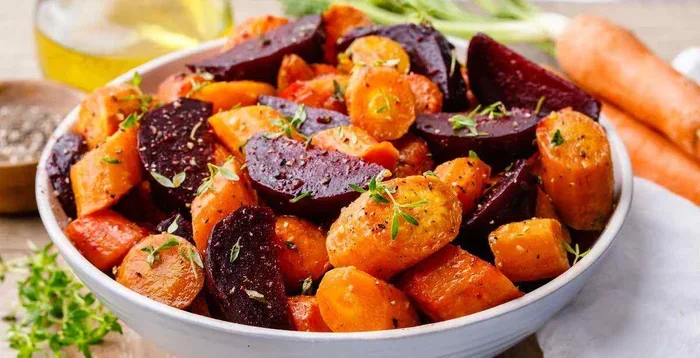
How To Roast Beets And Carrots In The Oven Perfectly
Learning how to roast beets and carrots in the oven is one of the simplest ways to prepare a delicious and healthy side dish. This guide walks you through every step, from picking the freshest vegetables to achieving the perfect roasting temperature and timing. You will discover easy seasoning ideas, common mistakes to avoid, and expert tips that guarantee fork tender beets and crispy roasted carrots every time.
How to roast beets and carrots in the oven might seem like a simple task, but getting it just right makes all the difference. When done correctly, these root vegetables turn out caramelized on the outside and soft on the inside. They become a vegetable side dish that even picky eaters love.
If you have been struggling with baking beets or ending up with mushy carrots, this guide is for you. I will share everything I have learned about oven roasting these two vibrant vegetables. By the end, you will feel confident and excited to put together a perfect roasted vegetable medley on your own.
The beauty of this method lies in its simplicity. You need very few ingredients, a standard oven, and a sheet pan. Whether you are cooking for a weeknight dinner or a holiday feast, roasted beets and carrots always deliver. Let us dive into the details and make sure your next batch comes out flawless.
Key Takeaways
- Perfect Temperature: Roast at 400°F for the best caramelization and texture on both beets and carrots.
- Prep Matters: Peel, cut evenly, and toss with olive oil and salt before spreading on a sheet pan.
- Seasoning Flexibility: Try honey, balsamic glaze, garlic, or rosemary to elevate your roasted vegetable medley.
- Timing Is Key: Roast for 30 to 40 minutes, flipping halfway, for golden and tender results.
- Avoid Common Mistakes: Do not crowd the pan, and always cut vegetables to similar sizes for even cooking.
- Versatile Side Dish: These oven roasted vegetables pair well with almost any main course and meal type.
- Storage Tips: Leftovers keep well in the fridge for up to five days and reheat beautifully.
📑 Table of Contents
- Why Roasting Beets And Carrots Is The Best Choice
- What You Need To Get Started
- Step By Step Guide To Roasting Beets And Carrots
- Seasoning Ideas And Flavor Combinations
- Common Mistakes To Avoid
- Serving Suggestions And Meal Pairings
- Expert Tips For Perfect Results Every Time
- How To Store And Reheat Leftovers
- Conclusion
Why Roasting Beets And Carrots Is The Best Choice
Roasting vegetables in the oven brings out their natural sweetness in a way that boiling or steaming simply cannot. The dry heat of the oven caramelizes the natural sugars in both beetroot and carrots. This creates deep, rich flavors and beautiful golden edges that make every bite exciting.
The Science Behind Roasting Root Vegetables
When vegetables hit a hot oven, the heat breaks down their natural sugars. This process is called caramelization. For root vegetables like beets and carrots, this means a sweeter, more complex flavor profile. The outside becomes slightly crispy while the inside stays moist and tender.
Oven roasting also requires very little oil compared to frying. This makes it a healthier cooking method that still delivers big flavor. You are not adding unnecessary calories, but you are gaining incredible taste and texture.
Nutritional Benefits Of Roasted Beets And Carrots
Both beets and carrots are packed with essential nutrients. Beets are rich in nitrates, which support heart health and blood flow. Carrots are famous for their high vitamin A content, which is great for eye health. When you roast vegetables, you retain most of these nutrients because the cooking time is relatively short and the temperature is moderate.
Unlike boiling, which can leach water soluble vitamins into the cooking water, roasting keeps everything locked inside the vegetable. This makes oven baked beets and carrots an excellent choice for anyone looking to eat more nutritiously without sacrificing taste.
What You Need To Get Started
Before you start, gather your ingredients and tools. Having everything ready makes the process smooth and enjoyable. Roasting beets and carrots does not require any special equipment, which is part of what makes this recipe so accessible.
Ingredients You Will Need
- Fresh beets — medium sized, firm, and smooth skinned
- Fresh carrots — bright orange, rigid, and about medium thickness
- Olive oil — extra virgin works best for even coating
- Salt — kosher or sea salt for the best flavor
- Black pepper — freshly ground for a gentle kick
- Garlic — fresh cloves, minced (optional but recommended)
- Fresh herbs — rosemary or thyme work wonderfully
Equipment You Will Need
- A large sheet pan or baking tray
- Parchment paper or a silicone baking mat
- A sharp chef knife and cutting board
- A large mixing bowl
- A spatula for tossing and flipping
Step By Step Guide To Roasting Beets And Carrots
This is the core of the process. Follow these steps carefully, and you will get perfectly roasted beets and carrots every single time. Each step matters, so do not skip ahead.
Step One: Preheat Your Oven
Set your oven to 400°F (200°C). This is the ideal roasting temperature for root vegetables. It is hot enough to caramelize the sugars but not so hot that the vegetables burn before they cook through. Give your oven at least 10 to 15 minutes to reach the right temperature before placing anything inside.
Step Two: Wash And Peel The Vegetables
Rinse the beets and carrots thoroughly under cold running water. Use a vegetable brush if the skins are dirty. For beets, you may want to wear gloves to avoid stained hands. Peel the beets using a vegetable peeler. For carrots, peeling is optional but recommended for a smoother texture.
Step Three: Cut The Vegetables Evenly
This step is crucial. Cut the beets into wedges or cubes about one inch in size. Cut the carrots into similar sized pieces, either rounds or sticks. Uniform sizing ensures that everything cooks at the same rate. If some pieces are much larger than others, they will cook unevenly, leaving you with some underdone and some overdone vegetables.
Step Four: Season And Toss
Place your cut vegetables in a large mixing bowl. Drizzle with olive oil, sprinkle with salt and pepper, and add minced garlic if using. Toss everything together until the vegetables are evenly coated. This is also the time to add fresh herbs like rosemary or thyme.
For a sweeter profile, try a light drizzle of honey or maple syrup. This pairs beautifully with the natural sweetness of both beetroot and carrots. Keep the seasoning light at first. You can always add more later.
Step Five: Arrange On The Sheet Pan
Spread the vegetables out on a parchment lined sheet pan. This is where many people go wrong. Do not crowd the pan. Leave space between each piece so hot air can circulate freely. Crowding the pan leads to steaming instead of roasting, which gives you mushy results instead of crispy edges.
If you have a lot of vegetables, use two sheet pans. It is better to use two pans than to squeeze everything onto one.
Step Six: Roast And Flip
Place the sheet pan in the center of the oven. Set a timer for 25 minutes. At the 25 minute mark, open the oven and use a spatula to flip each piece. This ensures even browning on all sides. Roast for another 10 to 15 minutes until the vegetables are golden brown and a fork slides in easily.
Fork tender beets and carrots are the goal. If they still feel firm, give them another 5 to 10 minutes. Keep an eye on them to prevent burning.
Step Seven: Serve Immediately
Remove the pan from the oven and let the vegetables rest for 2 to 3 minutes. Serve them warm as a side dish. The slightly crispy edges and soft centers make for a wonderful textural contrast that everyone will enjoy.
Seasoning Ideas And Flavor Combinations
One of the best things about roasting beets and carrots is how versatile the seasoning options are. You can change the flavor profile completely with just a few simple swaps. Here are some of my favorite combinations to try.
Sweet And Tangy
Combine olive oil, a drizzle of balsamic glaze, a pinch of salt, and a sprinkle of brown sugar. The balsamic adds a tangy depth that complements the sweetness of the vegetables. This is a wonderful honey roasted carrots and beet combination that works beautifully at dinner parties.
Herb Forward
Use olive oil, fresh rosemary, fresh thyme, garlic, salt, and pepper. This combination brings out the earthy flavors of the beets and carrots. It is a classic roasted vegetable medley pairing that never disappoints.
Spicy And Bold
Add cumin, smoked paprika, a pinch of cayenne pepper, olive oil, and salt. The smoky heat pairs surprisingly well with the natural sweetness of roasted root vegetables. This seasoning works especially well for those who enjoy a little kick in their vegetable side dish.
Asian Inspired
Use soy sauce, sesame oil, a touch of honey, minced ginger, and a sprinkle of sesame seeds. This creates a savory umami flavor that is completely different from the traditional Western approach. It is a great way to switch things up with your oven roasted vegetables.
| Flavor Profile | Key Ingredients | Best Paired With |
|---|---|---|
| Sweet and Tangy | Balsamic glaze, brown sugar, olive oil | Grilled chicken, salmon |
| Herb Forward | Rosemary, thyme, garlic, olive oil | Roast beef, pork chops |
| Spicy and Bold | Cumin, smoked paprika, cayenne | Grilled meats, tacos |
| Asian Inspired | Soy sauce, sesame oil, ginger | Stir fry proteins, rice bowls |
Common Mistakes To Avoid
Even experienced cooks make mistakes when preparing roasted beets and carrots. Knowing what to avoid will save you time and frustration. Here are the most common pitfalls.
Crowding The Pan
This is the number one mistake people make. When vegetables are packed tightly together, they steam instead of roast. The result is soft, pale, and sometimes soggy. Always spread your vegetables in a single layer with space between each piece. If you have too much, use two pans.
Cutting Vegetables Into Uneven Sizes
Different sized pieces cook at different rates. A large beet wedge will still be hard when a small carrot round is perfectly tender. Take the extra few minutes to cut everything into similar sizes. Your caramelized vegetables will thank you for it.
Skipping The Flip
Flipping the vegetables halfway through roasting ensures even browning. If you do not flip them, one side may burn while the other remains undercooked. Set a timer and make it a habit to check and turn your vegetables at the halfway point.
Using Too Much Or Too Little Oil
Too much oil makes the vegetables greasy and prevents proper caramelization. Too little oil causes them to dry out and stick to the pan. A light, even coating is the sweet spot. About one to two tablespoons of olive oil for a full batch of vegetables is usually perfect.
Not Preheating The Oven
Placing vegetables in a cold oven delays the start of the cooking process. The vegetables release moisture before the oven reaches the right temperature, which leads to steaming instead of roasting. Always preheat your oven before adding the vegetables.
Serving Suggestions And Meal Pairings
Roasted beets and carrots are incredibly versatile when it comes to pairing. They work as a side dish for almost any protein or main course. Here are some of my favorite combinations.
With Proteins
These roasted vegetables pair beautifully with roasted chicken, grilled salmon, baked pork tenderloin, or even a simple grilled steak. The sweetness of the vegetables complements the savory flavors of most meats. For a vegetarian option, serve them alongside a lentil loaf or a hearty bean chili.
With Grains
Serve your roasted root vegetables over a bed of quinoa, farro, or brown rice for a complete and satisfying meal. The grains absorb the flavorful juices from the pan, creating a dish that is both wholesome and delicious.
As A Salad Base
Warm roasted beets and carrots make an excellent base for a hearty salad. Add mixed greens, goat cheese, walnuts, and a simple vinaigrette. The warm vegetables slightly wilt the greens, creating a lovely contrast of temperatures and textures.
Expert Tips For Perfect Results Every Time
I have roasted hundreds of batches of these vegetables, and a few tips have made the biggest difference in my results. Here is what I have learned along the way.
- Room temperature vegetables roast better. Take your beets and carrots out of the fridge 15 to 20 minutes before cooking. Cold vegetables placed in a hot oven cook unevenly.
- Use a silicone spatula for flipping. Metal spatulas can scratch your baking sheet and break apart delicate pieces. A silicone spatula gently turns everything without damage.
- Add a pinch of cinnamon to sweet preparations. Cinnamon enhances the natural sweetness of both beets and carrots without making the dish taste like a dessert.
- Roast beets and carrots separately if you prefer different textures. Beets take slightly longer to roast than carrots. If you want both perfectly done, start the beets a few minutes earlier.
- Let the vegetables rest after roasting. Giving them 2 to 3 minutes off the heat allows the flavors to settle and the texture to firm up slightly.
Quick Tip: For an extra layer of flavor, drizzle a tiny bit of balsamic reduction over the vegetables right after they come out of the oven. The acidity cuts through the richness and brightens every bite. This simple addition turns a good dish into a great one.
How To Store And Reheat Leftovers
If you have leftovers, do not worry. Roasted beets and carrots store very well. Let the vegetables cool completely, then place them in an airtight container. They will keep in the refrigerator for up to five days.
To reheat, spread them on a sheet pan and warm them in the oven at 350°F for about 10 minutes. Avoid microwaving if possible, as it can make the vegetables soggy. The oven helps maintain that lovely crispy edge while warming the inside evenly.
You can also freeze roasted vegetables for up to three months. Spread them on a baking sheet to freeze individually, then transfer to a freezer bag. When ready to eat, thaw and reheat in the oven for the best texture.
Conclusion
How to roast beets and carrots in the oven is a skill that anyone can master with a little practice. The process is straightforward, the results are consistently delicious, and the versatility of this dish makes it a staple in any kitchen. From choosing the right vegetables and cutting them evenly to nailing the roasting temperature and timing, every step contributes to the final result.
Remember to avoid common mistakes like crowding the pan and skipping the flip. Experiment with different seasoning combinations to keep things fresh and exciting. Whether you serve them as a simple vegetable side dish or incorporate them into a larger meal, roasted beets and carrots never fail to impress.
Now that you have all the knowledge and tips you need, it is time to put them into practice. Preheat your oven, grab your sheet pan, and start roasting. You will wonder why you ever settled for boiled or steamed vegetables when the oven roasted version tastes this good. Enjoy every bite and share the deliciousness with the people you love.
Frequently Asked Questions
Can I roast beets and carrots together on the same pan?
Yes, you absolutely can. Just make sure to cut them into similar sized pieces so they cook evenly. Beets may need a few extra minutes compared to carrots, so keep an eye on them and check for doneness with a fork.
What is the best temperature to roast beets and carrots?
The ideal temperature is 400°F (200°C). This high heat caramelizes the natural sugars in the vegetables, giving you crispy edges and a deeply sweet flavor without overcooking the inside.
Do I need to peel beets before roasting?
Yes, peeling beets before roasting is recommended. The skin can be tough and woody after roasting. However, some people prefer to roast them with the skin on and peel them afterward, as the skin slides off more easily once cooked.
How long do roasted beets and carrots last in the fridge?
Leftover roasted vegetables store well in an airtight container in the refrigerator for up to five days. Make sure they are completely cooled before storing to prevent moisture buildup and sogginess.
Can I use frozen carrots for roasting?
Fresh carrots give the best results, but you can use frozen carrots in a pinch. Thaw them first and pat them dry with a paper towel. Excess moisture is the enemy of crispy roasted vegetables, so removing as much water as possible is key.
What meats pair well with roasted beets and carrots?
These roasted vegetables pair beautifully with roasted chicken, grilled salmon, baked pork, and steak. They also work wonderfully alongside vegetarian mains like lentil loaf, stuffed peppers, or a hearty grain bowl.