Why Are Ovens So Expensive And What Drives The Price
Oven prices can shock anyone shopping for a new cooking appliance. The cost of ovens comes from advanced technology, premium materials, and complex manufacturing processes. Whether you are looking at a built-in oven, a countertop oven, or a full range, understanding why ovens are so expensive helps you make a smarter buying decision. This guide breaks down every factor that affects oven prices so you know exactly what you are paying for.
Have you ever stared at the price tag of a new oven and wondered why it costs so much? You are not alone. Why are ovens so expensive is one of the most common questions home cooks ask when they start shopping for a new cooking appliance. The truth is, many factors go into the final price of an oven. From the materials used inside to the brand name on the outside, every detail adds up.
Ovens are not just simple boxes that get hot. They are complex kitchen appliances with heating elements, insulation, control panels, and safety features. A good oven can last ten to fifteen years or more. That long lifespan justifies a higher upfront cost. But there is more to it than just durability. Let us dive deep into the real reasons behind oven prices and what drives them higher each year.
Whether you are replacing an old range or building a brand-new kitchen, understanding the cost breakdown helps you make a confident choice. This article covers every major factor in plain language. You will learn what you are actually paying for and how to get the best value without overspending.
Key Takeaways
- Premium Materials Drive Cost: High-grade steel, ceramic interiors, and quality glass make ovens durable but pricey.
- Advanced Technology Adds Value: Features like convection, smart connectivity, and self-cleaning raise the price tag.
- Brand Reputation Matters: Well-known brands charge more for trusted performance and warranty coverage.
- Installation and Size Affect Price: Built-in ovens cost more than countertop models due to complex setup requirements.
- Energy Efficiency Saves Long-Term: Expensive ovens often use less energy, saving money on bills over time.
- Manufacturing Complexity Increases Costs: Precision engineering and quality control add to the final retail price.
- Smart Features Are the New Standard: WiFi-enabled and app-controlled ovens reflect modern kitchen trends.
📑 Table of Contents
- The Real Cost Behind Oven Manufacturing
- Why Brand Name Ovens Cost More
- Types of Ovens and How They Affect Price
- Advanced Features That Increase Oven Cost
- Installation and Labor Costs
- Energy Efficiency and Long-Term Value
- Common Mistakes That Lead to Overspending
- Expert Insights on Oven Pricing
- How to Get the Best Deal on a New Oven
- Conclusion
The Real Cost Behind Oven Manufacturing
Building an oven is not as simple as stamping out metal and plugging in a wire. The manufacturing process involves precision engineering, quality testing, and strict safety standards. Each of these steps adds to the overall cost of the final product.
Materials and Components
The inner cavity of most ovens uses stainless steel or porcelain-coated steel. These materials resist heat, rust, and staining. The outer shell often features heavy-gauge steel that adds structural strength. Glass doors are another big cost factor. Quality tempered glass can withstand extreme temperatures without cracking.
Heating elements are made from specialized alloys like nichrome. These elements must distribute heat evenly across the oven cavity. The thermal insulation inside the oven also uses expensive materials. Fiberglass or ceramic insulation keeps heat contained and improves energy efficiency.
All of these components work together to create a reliable cooking appliance. Cheap materials lead to hot spots, uneven cooking, and shorter lifespans. That is why premium ovens cost more at the factory level.
Quality Control and Testing
Every oven goes through rigorous testing before it reaches the store. Manufacturers run safety tests, temperature accuracy checks, and durability trials. Some brands test their ovens for thousands of hours. This quality control process ensures that what you buy will perform well for years.
These testing steps add time and money to production. But they also reduce the number of defective units that reach consumers. In the long run, strict quality control keeps oven prices higher but delivers better value to the buyer.
Why Brand Name Ovens Cost More
Brand reputation plays a huge role in why ovens are so expensive. You pay not just for the product but for the trust behind it. Well-known brands invest heavily in research, design, and customer service.
Research and Development
Top oven brands spend millions developing new technologies. They work on better heating systems, smarter controls, and improved energy efficiency. These R&D costs get passed along to consumers. But they also drive innovation that makes cooking easier and more enjoyable.
For example, brands like Wolf, Miele, and KitchenAid invest in convection oven technology that circulates hot air evenly. This kind of innovation takes years to perfect. The result is a superior cooking experience that justifies a higher price point.
Warranty and Customer Support
Premium brands often offer longer warranty coverage than budget brands. Some come with warranties that last five to ten years on parts and labor. This extended protection adds value but also raises the initial cost.
Customer support is another hidden expense. Brands that offer live support, online resources, and easy parts replacement build trust. When something goes wrong with your kitchen appliance, good support can save hundreds of dollars in repairs.
| Brand Tier | Typical Price Range | Warranty Length | Key Benefit |
|---|---|---|---|
| Budget | $300 – $700 | 1-2 years | Lower upfront cost |
| Mid-Range | $700 – $1,500 | 3-5 years | Balanced features and value |
| Premium | $1,500 – $4,000+ | 5-10 years | Advanced features and durability |
Types of Ovens and How They Affect Price
Not all ovens are created equal. The type of oven you choose has a major impact on the final price. Each category serves different needs and comes with its own cost structure.
Built-In Ovens
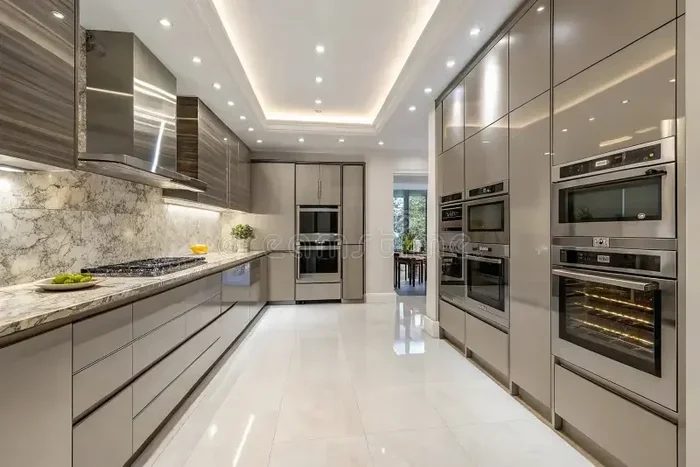
Built-in ovens are the most common choice for modern kitchens. They install flush with cabinetry for a sleek, integrated look. Because they require professional oven installation, the total cost goes up quickly.
Built-in models also tend to be larger and more powerful. They often include features like self-cleaning oven cycles, multiple cooking modes, and precision temperature controls. These extras add to the range cost compared to simpler models.
Countertop Ovens
A countertop oven is a compact alternative to a full-size built-in unit. These smaller appliances are generally more affordable. They are perfect for small kitchens, apartments, or as a second oven for entertaining.
However, do not assume countertop models are cheap. Smart oven versions with WiFi connectivity and app controls can still carry a hefty price tag. Brands like Breville and Cuisinart push the boundaries of what a compact oven can do.
Double Ovens
A double oven gives you two cooking chambers in one unit. This is ideal for large families or serious home cooks who prepare multiple dishes at once. The added complexity of two separate cavities doubles the cost of heating elements, insulation, and controls.
Double ovens also require more space and often need custom cabinetry. The oven installation process is more involved, which adds to labor costs. This is one of the main reasons double ovens sit at the higher end of the oven prices spectrum.
Advanced Features That Increase Oven Cost
Modern ovens come packed with features that make cooking easier and more precise. But each added feature comes with its own cost. Here is a closer look at what drives those numbers higher on the price sticker.
Convection Technology
A convection oven uses a fan and exhaust system to circulate hot air. This results in faster, more even cooking. Convection ovens reduce hot spots and improve browning on baked goods and roasts.
The fan, exhaust system, and additional heating element all add manufacturing costs. But the cooking benefits are real. Many professional bakers and chefs prefer convection technology for consistent results.
Self-Cleaning Function
The self-cleaning oven feature uses high heat to burn off food residue. This saves you time and effort with manual scrubbing. However, the self-cleaning cycle requires special insulation and reinforced interior coatings.
These materials must withstand extreme temperatures during the cleaning cycle. The added engineering and materials cost contribute to higher oven prices. Most premium and mid-range ovens now include self-cleaning as a standard feature.
Smart Connectivity
Smart ovens let you control cooking settings from your phone. You can preheat the oven, adjust temperatures, and monitor progress remotely. This smart oven technology involves built-in WiFi modules, sensors, and companion apps.
Software development and ongoing cloud support also factor into the cost. Brands like Samsung and LG lead the way in connected kitchen appliance technology. While convenient, smart features add a premium to the retail price.
Steam Cooking and Combination Modes
Some high-end ovens offer steam cooking or combination steam-bake modes. These features allow you to bake artisan bread, cook vegetables perfectly, and keep food moist. Steam ovens require water reservoirs, special heating systems, and advanced control boards.
The complexity of these systems makes combination ovens some of the most expensive options on the market. If you are wondering why are ovens so expensive, features like steam cooking are a big part of the answer.
Installation and Labor Costs
The price you see on the tag is not always the final price. Oven installation costs can add several hundred dollars to the total project. Understanding these hidden expenses helps you budget more accurately.
Electrical and Gas Hookups
Electric ovens need a dedicated 240-volt circuit. If your kitchen does not already have one, an electrician must install it. Gas ovens require a proper gas line connection and ventilation. Both scenarios add to the overall expense.
Older homes may need electrical panel upgrades to support a new oven. This is especially true for large built-in models or double oven setups. Always factor in these potential costs when planning a kitchen upgrade.
Professional Installation Fees
Most retailers offer professional oven installation as an add-on service. Fees typically range from $100 to $300 depending on complexity. Built-in ovens require secure mounting, leveling, and connection to power or gas lines.
Skipping professional installation might save money upfront but can create safety risks. Improper installation can lead to gas leaks, electrical issues, or uneven performance. For most homeowners, the installation fee is a worthwhile investment.
Energy Efficiency and Long-Term Value
One of the best reasons to invest in a higher-quality oven is energy efficiency. Expensive ovens often use less electricity or gas over time. This can offset the higher upfront cost significantly.
How Energy-Efficient Ovens Save Money
Modern ovens with better thermal insulation retain heat more effectively. This means the heating element does not work as hard or as long to maintain the set temperature. Over months and years, those small savings add up.
Look for ovens with energy star ratings or similar efficiency certifications. These models are designed to minimize wasted energy while delivering consistent cooking performance. A more efficient cooking appliance also puts less strain on your home’s electrical system.
Durability and Lifespan
A well-built oven can last fifteen years or more with proper care. Cheaper models may start showing problems after five or six years. Replacing an oven every few years costs far more than buying a quality unit upfront.
When you calculate the cost per year of ownership, a premium oven often wins. The combination of warranty coverage, durability, and performance makes the higher initial price more reasonable over time.
Common Mistakes That Lead to Overspending
Even with the best intentions, many buyers make mistakes that cause them to pay more than they need to. Avoid these common pitfalls to get the best value for your money.
Buying Features You Do Not Need
It is easy to get seduced by every shiny new feature on the market. But do you really need steam cooking or a smart oven with voice control? Focus on the features you will actually use every day. A basic convection oven with solid temperature control covers most cooking needs perfectly well.
Ignoring Installation Costs
Many shoppers compare only the sticker price of the oven itself. They forget to budget for oven installation, electrical work, or gas line upgrades. Always get a total cost estimate before making a final decision.
Choosing Style Over Substance
Fancy finishes and sleek designs look great but often come with a premium price tag. A stainless steel finish might cost more than a basic white or black model. The interior performance matters far more than the exterior look. Choose function over form when your budget is tight.
Expert Insights on Oven Pricing
Industry experts agree that oven prices reflect a combination of materials, technology, and brand value. According to appliance reviewers, the sweet spot for most households is the mid-range tier. These models offer strong performance, reliable features, and reasonable warranty coverage without the premium price tag of luxury brands.
Experts also recommend considering your cooking habits honestly. If you bake frequently or cook large meals, investing in a convection oven with more features makes sense. If you mostly reheat leftovers and make simple meals, a basic model will serve you well.
One key tip from professionals is to read reviews carefully. Look for long-term reliability data, not just first-impressions scores. A slightly more expensive oven with a strong track record of durability often outperforms a cheaper model that fails after a few years.
How to Get the Best Deal on a New Oven
Finding a great oven at a fair price is entirely possible with the right approach. Here are some practical strategies to save money without sacrificing quality.
- Shop during sales events. Major holidays like Labor Day and Black Friday often bring significant discounts on kitchen appliance categories.
- Compare prices online. Use price comparison tools to find the best deal across multiple retailers.
- Look for open-box or display models. These can offer substantial savings with minimal or no cosmetic issues.
- Check for manufacturer rebates. Many brands offer cash-back promotions that reduce the final cost.
- Consider floor models or previous-year designs. Older models often have the same core performance at a lower price.
Conclusion
So why are ovens so expensive? The answer comes down to quality materials, advanced technology, brand investment, and the hidden costs of manufacturing and installation. A good oven is a long-term investment in your kitchen and your daily cooking experience.
Understanding what drives oven prices empowers you to make smarter purchasing decisions. You can choose the right type of oven, the right features, and the right budget for your home. Whether you prefer a simple electric oven, a powerful gas oven, or a cutting-edge smart oven, the key is finding the balance between cost and value.
Take your time when shopping. Compare models, read honest reviews, and factor in total ownership costs including oven installation and energy use. With the right approach, you will find an oven that delivers excellent performance for years to come without breaking the bank.
Frequently Asked Questions
What is the average cost of a good oven?
A decent built-in oven typically costs between $500 and $1,500. Countertop models range from $150 to $500. Premium brands with advanced features can go well above $2,000. Your budget should match your cooking habits and kitchen setup.
Are gas ovens more expensive than electric ovens?
Gas ovens often have a higher upfront cost due to the need for a gas line connection. However, operating costs can be lower in areas where natural gas is cheaper than electricity. The long-term savings depend on local utility rates.
Is a convection oven worth the extra cost?
Yes, a convection oven is worth the investment for most home cooks. The fan-assisted airflow cooks food faster and more evenly. This feature saves time and improves results for baking, roasting, and broiling.
How long should an oven last?
A well-maintained oven should last between 10 and 15 years. Regular cleaning, proper use, and timely repairs can extend the lifespan. Investing in a quality brand with strong warranty coverage helps protect your investment.
Can I install an oven myself to save money?
While it is possible, professional oven installation is recommended for safety and performance. Improper electrical or gas connections can be dangerous. Many retailers offer installation services that ensure everything is set up correctly.
Do smart ovens really save money in the long run?
Smart features add convenience but may not directly reduce energy costs. However, precise temperature control and remote monitoring can help prevent overcooking and wasted energy. The real value is in the cooking experience and time savings.