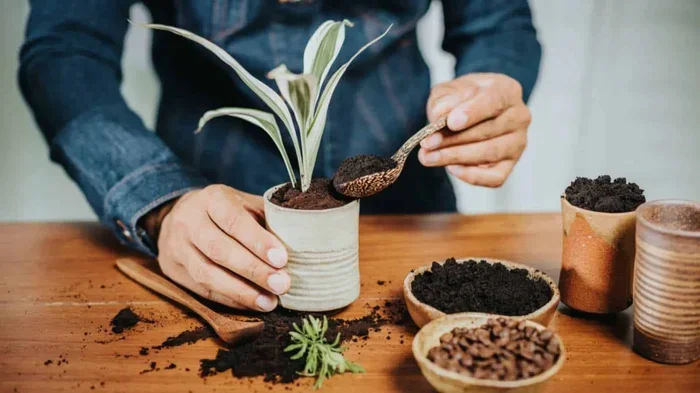
Is Used Coffee Grind Good For Plants Try These Tips
Used coffee grounds can be a fantastic addition to your garden when used correctly. They provide nitrogen, improve soil structure, and attract beneficial organisms. However, not all plants respond well, and overuse can cause more harm than good. This guide covers everything you need to know about using used coffee grounds for plants the right way.
You brew a fresh cup of coffee every morning. Then you toss the leftover grounds into the trash without a second thought. What if we told you that used coffee grind could do wonders for your plants? It is true. Those spent coffee grounds sitting in your filter are packed with nutrients your garden would love.
Many gardeners swear by using coffee grounds as a natural fertilizer. But the truth is, using them the wrong way can do more damage than good. In this guide, we will walk you through everything you need to know. From which plants benefit most to the common mistakes people make, we have you covered. Let us dig in and explore how used coffee grounds can transform your gardening routine.
Before you start scattering grounds around your flower beds, it helps to understand what is actually in them. Coffee grounds are not just waste. They are a rich source of organic matter that can improve your soil in meaningful ways. The key is knowing how to use them properly. Keep reading to find out exactly how.
Key Takeaways
- Nutrient Boost: Used coffee grounds add nitrogen, potassium, and phosphorus to your soil naturally.
- Not All Plants Love Them: Acid-loving plants thrive with coffee grounds, but some plants may suffer.
- Composting Is Key: Always compost coffee grounds before adding them directly to garden beds for best results.
- Moderation Matters: Too many coffee grounds can compact soil and harm plant roots.
- Drying Extends Shelf Life: Properly dried grounds last longer and resist mold growth.
- Pest Control Bonus: Coffee grounds can naturally deter slugs and certain garden pests.
📑 Table of Contents
What Happens When You Put Coffee Grounds in Soil
When you add used coffee grounds to soil, several things happen right away. The grounds begin to break down, releasing nutrients slowly over time. This process feeds your plants naturally without the risk of chemical burn. But the benefits go far beyond just feeding your plants.
Coffee grounds also improve soil structure. They help loosen compacted dirt, which allows roots to grow more freely. Water drains better, and air reaches deeper into the soil. This creates a healthier environment for your plants to thrive. Additionally, earthworms and other beneficial organisms are drawn to coffee grounds. These creatures help aerate the soil and speed up decomposition.
The Nutrient Profile of Used Coffee Grounds
So what exactly is inside those grounds? Used coffee grounds contain several key nutrients that plants need:
- Nitrogen: The most abundant nutrient. It promotes leafy, green growth.
- Potassium: Helps plants develop strong roots and resist disease.
- Phosphorus: Supports flower and fruit production.
- Magnesium: Keeps leaves healthy and vibrant.
- Calcium: Strengthens cell walls in plants.
While the nutrient levels are moderate, they add up over time. When you combine coffee grounds with other compost materials, you create a well-rounded organic fertilizer. This is why many gardeners include coffee grounds compost as a staple in their gardening routine.
How Coffee Grounds Affect Soil pH
One of the most discussed topics about used coffee grind is its effect on soil acidity. Fresh coffee grounds are slightly acidic. But here is the surprising part: used coffee grounds are much less acidic than you might think. After brewing, much of the acid has already been extracted. Most used grounds have a near-neutral pH, typically around 6.5 to 6.8.
This means they are generally safe for most plants. However, if you are growing acid-loving plants, the slight acidity can still provide a small boost. Plants like blueberries, azaleas, and rhododendrons prefer acidic soil. A handful of used grounds can help maintain that desired acidity level over time.
Which Plants Benefit Most from Coffee Grounds
Not every plant will respond the same way to coffee grounds. Some plants absolutely love them, while others may struggle. Understanding which plants benefit most is essential for getting the best results in your garden.
Acid-Loving Plants That Love Coffee
Certain plants naturally prefer acidic soil. These are the ones that will respond most positively to used coffee grounds:
- Blueberries: They thrive in acidic conditions. Coffee grounds help maintain the right pH.
- Azaleas and Rhododendrons: These flowering shrubs love the slight acidity coffee provides.
- Camellias: Another acid-loving plant that benefits from coffee ground mulch.
- Hydrangeas: Coffee grounds can even influence the color of hydrangea flowers.
- Radishes and Carrots: Root vegetables grow better with coffee-enriched soil.
If you grow any of these plants, adding used coffee grounds to your soil is a simple and effective strategy. Just remember to use them in moderation and mix them well with other compost materials.
Plants That May Not Respond Well
On the flip side, some plants do not handle coffee grounds well. Plants that prefer alkaline or neutral soil may struggle if you add too many grounds. These include:
- Lavender: It prefers dry, alkaline soil and does not like the acidity.
- Ferns (some varieties): Certain ferns can be sensitive to the caffeine residue.
- Cacti and Succulents: They need fast-draining soil, and coffee grounds can retain too much moisture.
Always research the specific needs of your plants before adding coffee grounds. When in doubt, use a small amount first and observe how your plants respond over a few weeks.
How to Use Used Coffee Grounds in Your Garden
Using used coffee grounds the right way makes all the difference. There are several methods to choose from, and each has its own benefits. Let us walk through the best approaches step by step.
Composting Coffee Grounds the Right Way
The safest and most effective way to use coffee grounds is through composting. When you add grounds directly to a compost pile, they break down gradually and release nutrients evenly. Here is how to do it:
- Collect your used grounds after brewing coffee.
- Spread them out on a tray to dry slightly.
- Add them to your compost bin, mixing with brown materials like dry leaves or cardboard.
- Turn the compost pile every one to two weeks to ensure even decomposition.
- Use the finished compost in your garden beds after about two to three months.
Composting prevents the grounds from clumping together and forming a dense mat. It also reduces the risk of mold growth. A good rule of thumb is to keep coffee grounds to no more than 20 percent of your total compost volume. This balance ensures your compost stays healthy and nutrient-rich.
Using Coffee Grounds as Mulch
Coffee grounds can also serve as a mulch layer around your plants. Mulch helps retain moisture, regulate soil temperature, and suppress weeds. When used as mulch, used coffee grounds provide all these benefits while slowly feeding the soil.
However, there is one important tip. Do not apply a thick layer of coffee grounds alone. They can compact tightly and block water from reaching the roots. Instead, mix them with other mulch materials like straw, leaves, or wood chips. A thin layer of about half an inch works best. This ensures proper drainage and airflow while still delivering the nutrients your plants need.
Coffee Grounds for Indoor Plants
Indoor plants can benefit from coffee grounds too. Houseplants often grow in the same soil for months or even years. Adding used coffee grounds to their pots gives them a fresh nutrient boost. But indoor plants require extra care.
First, always use composted grounds. Fresh grounds can mold quickly in the enclosed environment of a pot. Second, use very small amounts. A teaspoon mixed into the top layer of soil is enough for most houseplants. Third, make sure your pot has proper drainage. Coffee grounds retain moisture, and without good drainage, roots can rot.
Common Mistakes to Avoid with Coffee Grounds
Even the best gardening tips can backfire if you make common errors. Using coffee grounds incorrectly can harm your plants instead of helping them. Here are the biggest mistakes gardeners make and how to avoid them.
Mistake 1: Adding Fresh Grounds Directly to Soil. Fresh coffee grounds are too acidic and can burn plant roots. Always use used coffee grounds that have already been brewed. The brewing process removes most of the acidity and caffeine, making them much safer for plants.
Mistake 2: Using Too Much at Once. More is not better when it comes to coffee grounds. A large pile of grounds can compact the soil and suffocate roots. Stick to small amounts and mix thoroughly with other organic matter.
Mistake 3: Ignoring Your Soil Type. Clay-heavy soils already retain a lot of moisture. Adding coffee grounds can make them too dense and waterlogged. If you have clay soil, use coffee grounds sparingly and always mix them with compost or sand to improve drainage.
Mistake 4: Skipping the Drying Step. Wet coffee grounds develop mold quickly. Before storing or using them, spread them out on a baking sheet and let them dry completely. This simple step prevents mold and extends the shelf life of your grounds significantly.
Drying and Storing Used Coffee Grounds for Garden Use
Proper storage is essential for getting the most out of your used coffee grounds. Freshly used grounds contain moisture that encourages mold and bacteria growth. Drying them first solves this problem entirely.
Start by spreading the wet grounds on a flat surface. A baking sheet works perfectly. Leave them in a well-ventilated area for one to two days. Stir them occasionally to speed up the drying process. Once they feel dry and crumbly to the touch, they are ready for storage.
Store dried grounds in an airtight container. A mason jar with a lid or a sealed plastic bag works great. Keep the container in a cool, dry place like your pantry or garage. Properly dried grounds can last for several months without going bad.
If you brew coffee daily, you can collect grounds over the course of a week before drying them all at once. This makes the process more efficient. Some gardeners even use their oven or air fryer to speed up drying. If you want to learn more about kitchen appliance temperatures and timing, check out how long one minute in the microwave compares to the oven for reference.
When you are ready to use the dried grounds, simply sprinkle them around your plants or mix them into your compost. The dried form is easier to handle and distributes more evenly across your garden beds.
Expert Tips for Maximizing the Benefits
Want to get the most out of your used coffee grind? Here are some expert-backed tips that make a real difference:
- Mix with worm composting bins. Worms love coffee grounds. They break them down quickly and turn them into nutrient-rich worm castings.
- Use grounds as a natural pest deterrent. Slugs and snails dislike the texture of coffee grounds. Sprinkle them around vulnerable plants to keep pests away.
- Pair with eggshells. Eggshells add calcium to the soil, while coffee grounds provide nitrogen. Together, they create a balanced organic fertilizer.
- Brew a coffee ground tea. Steep used grounds in water for 24 hours, then use the liquid to water your plants. This delivers nutrients quickly and directly.
- Rotate your use. Do not apply coffee grounds to the same spot every time. Rotate application areas to prevent nutrient buildup and soil compaction.
These small adjustments can significantly improve how your plants respond to coffee grounds. The goal is to create a balanced, healthy soil environment where your plants can flourish naturally.
Many people also wonder about the relationship between kitchen appliances and preparing or processing coffee grounds. For instance, understanding how different appliances work can help you dry or warm your grounds more effectively. If you are curious about how an air fryer compares to a traditional oven for drying purposes, you can explore the differences here.
Conclusion
Used coffee grounds are a versatile, eco-friendly, and budget-friendly addition to any garden. They enrich your soil with essential nutrients, improve soil structure, attract beneficial organisms, and even help deter pests. But the key to success lies in using them correctly and in moderation.
Remember to compost your grounds before applying them directly to soil. Know which plants in your garden will benefit most from the slight acidity. Avoid common mistakes like over-application and using fresh grounds. With these tips in mind, you can turn your daily coffee waste into a powerful gardening tool.
So next time you finish your morning brew, do not throw those grounds away. Save them for your plants. Your garden will thank you. Start small, experiment, and watch your plants thrive with the natural goodness of used coffee grounds.
Frequently Asked Questions
Can I put used coffee grounds directly on my plants?
It is best to compost used coffee grounds before applying them directly to plants. Fresh used grounds can clump together and block water from reaching roots. Composting them first breaks them down and makes the nutrients more accessible to your plants.
Are used coffee grounds acidic?
Used coffee grounds are much less acidic than fresh grounds. After brewing, most of the acid has been extracted. The pH of used grounds is typically around 6.5 to 6.8, which is close to neutral. This makes them safe for most types of plants.
How often should I add coffee grounds to my garden?
Once or twice a month is usually enough. Overusing coffee grounds can lead to soil compaction and excess nitrogen buildup. Mix them into your compost or spread a thin layer around your plants every few weeks for the best results.
Do coffee grounds repel pests?
Yes, coffee grounds can help repel slugs, snails, and certain crawling insects. The texture and smell of the grounds deter these pests from approaching your plants. Sprinkle dried grounds around the base of vulnerable plants as a natural pest barrier.
Can I use coffee grounds for indoor houseplants?
Yes, but use them sparingly. Indoor plants need smaller amounts because the confined pot space limits drainage. Always use composted grounds and mix a small amount into the top layer of soil. Make sure your pot has proper drainage holes to prevent root rot.
What is the best way to store used coffee grounds?
Dry the grounds first by spreading them on a baking sheet for one to two days. Then store them in an airtight container in a cool, dry place. Properly dried grounds can last several months without developing mold or bacteria.