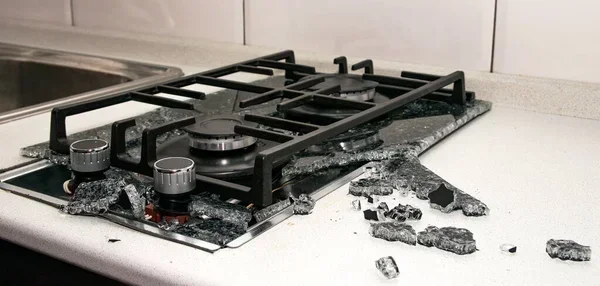
My Gas Oven Is Not Working Here Is What You Should Do
My Gas Oven Is Not Working can be caused by simple issues like a tripped breaker or a dirty igniter. This guide walks you through the most common reasons your oven fails to heat and gives you clear steps to fix them. You will learn how to troubleshoot safely, save money, and know exactly when to call a professional.
There is nothing more frustrating than stepping into the kitchen ready to cook dinner and finding out your gas oven is not working. Whether you are trying to roast a chicken, bake cookies, or simply reheat leftovers, a broken oven throws your whole routine off track. The good news is that most problems with a gas oven not heating are fixable. You do not need to be a professional technician to solve many of these issues. In this guide, we will walk you through every possible reason your gas oven stopped working and show you exactly what to do about it.
We will cover everything from simple checks you can do in two minutes to more advanced troubleshooting steps. You will learn how to identify the root cause, what parts might need replacing, and when it is smart to call in a gas oven repair expert. By the end of this article, you will feel confident tackling the problem yourself or making an informed decision about professional help. Let us get your oven back up and running.
Key Takeaways
- Check the basics first: Power supply, gas valve, and breaker are the most common culprits behind a gas oven not working.
- A faulty igniter is the #1 cause: Most gas ovens fail to light because the igniter has worn out over time.
- Safety always comes first: If you smell gas, leave the house and call your gas company immediately.
- Many fixes are DIY-friendly: Cleaning the burner, replacing the igniter, or resetting the oven can save you hundreds.
- Know when to call a pro: Complex issues like a bad control board or gas valve problem need expert attention.
- Regular maintenance prevents breakdowns: Cleaning your oven and checking components annually keeps it running smoothly.
📑 Table of Contents
- Common Reasons Your Gas Oven Stops Working
- Step-by-Step Troubleshooting Guide
- Quick Tips for Faster Fixes
- Common Mistakes to Avoid
- When to Call a Professional
- Gas Oven Repair Cost Comparison
- Preventive Maintenance Tips
- How to Find the Right Replacement Parts
- Understanding Your Oven Error Codes
- My Gas Oven Is Not Working But the Stove Top Is Fine
- Gas Oven Not Heating Evenly? What to Check
- Final Thoughts
Common Reasons Your Gas Oven Stops Working
A gas oven can stop working for many different reasons. Some problems are tiny and easy to fix. Others need a bit more effort or a replacement part. Understanding what went wrong is the first step toward getting it fixed. Here are the most common reasons a gas oven not working issue happens.
Igniter Failure
The igniter is the small piece that lights your gas burner. Over time, it can wear out or weaken. When this happens, your oven may not heat up at all. A faulty igniter is the single most common reason a gas oven will not turn on. You might hear the oven clicking but see no flame. If that sounds familiar, the igniter is likely the problem.
Gas Supply Issues
Sometimes the problem is not the oven at all. It is the gas supply. Check to make sure the gas valve is fully open. If you have other gas appliances that are also not working, the issue might be with your home gas line. A kinked gas line or a closed shutoff valve can stop gas from reaching your oven. This is one of the easiest gas oven troubleshooting steps you can do right now.
Tripped Circuit Breaker or Blown Fuse
Even though gas ovens use gas to heat, they still need electricity to power the control board, igniter, and timer. If the circuit breaker has tripped, your oven will not turn on. Check your electrical panel and reset the breaker if needed. A blown fuse can also cause an oven not turning on problem. This is one of the simplest fixes and often gets overlooked.
Faulty Temperature Sensor
The temperature sensor tells your oven how hot it is. If it is broken or miscalibrated, the oven may not heat properly. Your food might come out undercooked or overcooked. A bad temperature sensor can also cause the oven to stop heating mid-cycle. Testing this part requires a multimeter, but it is a straightforward gas oven repair task for anyone comfortable with basic tools.
Bad Thermal Fuse
The thermal fuse is a safety device that shuts off the oven if it overheats. If the fuse blows, the oven will not heat at all. A blown thermal fuse usually means the oven has had an overheating issue in the past. Replacing the fuse is relatively inexpensive, but you should also figure out why the oven overheated in the first place.
Oven Control Board Problems
The control board is the brain of your oven. It controls temperature, timing, and heating elements. If the control board fails, your oven may not respond to any buttons or settings. Control board issues are less common but can be expensive to fix. A professional technician should handle this type of gas oven repair.
Step-by-Step Troubleshooting Guide
Now that you know the common causes, let us walk through the troubleshooting steps. Start from the top and work your way down. Most people find the fix within the first few steps.
Step 1: Check the Power Supply
First, make sure your oven is plugged in or that the power is connected properly. Check the outlet with another appliance to confirm it is working. Look at your circuit breaker panel. If the breaker for the oven has tripped, flip it back on. This alone solves the problem for many homeowners dealing with a gas oven not working issue.
Step 2: Verify the Gas Supply
Check the gas shutoff valve behind or near your oven. Make sure it is fully open. If you have a gas shutoff valve for the entire house, confirm it is on. You should also check if other gas appliances like your stove top or water heater are working. If they are not, the issue is likely with your gas supply, not the oven.
Step 3: Inspect the Igniter
Open your oven and look at the igniter located at the bottom of the oven cavity. Turn on the oven and set it to bake. Watch the igniter carefully. If it glows red but the gas does not light after a long time, the igniter is weak. If it does not glow at all, it is probably dead. Replacing the igniter is one of the most common and affordable gas oven repairs.
Step 4: Clean the Burner and Igniter
Food debris, grease, and grime can build up around the burner and igniter. This buildup can block the gas ports and prevent proper ignition. Remove the oven racks and carefully clean the burner area with warm soapy water and a soft brush. A clean igniter works much better and can solve many oven not heating problems.
Step 5: Test the Temperature Sensor
If your oven heats but the wrong temperature, the sensor might be to blame. Use a multimeter to test the sensor for continuity. If there is no continuity, the sensor needs replacing. You can also check if the sensor is touching the oven wall. If it is, reposition it so it is not touching any metal surface.
Step 6: Check the Thermal Fuse
The thermal fuse is usually located near the top or back of the oven. Use a multimeter to test it for continuity. If the fuse shows no continuity, it has blown and needs replacement. Always replace a blown thermal fuse with one that matches the exact specifications of your oven model.
Step 7: Examine the Control Board
If none of the above steps work, the control board may be the issue. Look for visible signs of damage like burn marks or swollen capacitors. However, control board problems are best left to a professional. Attempting a DIY gas oven repair on the control board can be risky and may void your warranty.
Quick Tips for Faster Fixes
- Keep your oven manual handy. It has model-specific troubleshooting steps and error codes that can save you a lot of guesswork.
- Always unplug the oven before inspecting any internal parts. Safety should always come first when working with appliances.
- Take photos before removing parts. This helps you remember how everything fits back together during reassembly.
- Use the right tools. A basic multimeter can help you test igniters, sensors, and fuses quickly and accurately.
- Note error codes. Many modern ovens display error codes on the control panel. Write them down and look them up in your manual or online.
- Do not ignore a gas smell. If you smell gas near your oven, do not use it. Open windows, leave the house, and call your gas company immediately.
Common Mistakes to Avoid
When your oven stops working, it is tempting to jump straight into fixing it. But some mistakes can make the problem worse or even create safety hazards. Here are the most common mistakes people make when their gas oven is not working.
- Ignoring the gas smell. Never ignore a gas odor. Even a small leak can be very dangerous. Turn off the gas supply and call for help right away.
- Using the oven with a damaged igniter. A weak igniter can let gas build up before lighting. This creates a serious safety risk. Replace a worn igniter as soon as possible.
- Skipping the basics. Many people jump to complex repairs without checking the simple stuff like the breaker or gas valve. Always start with the easiest checks first.
- Using the wrong replacement parts. Not all igniters, sensors, or fuses are the same. Always match the part number to your specific oven model.
- Forcing parts back into place. If a part does not fit easily, stop and double-check. Forcing it can damage the component or the oven itself.
- Delaying professional help. Some issues genuinely need a trained technician. Trying to fix a complex gas valve or control board problem on your own can lead to costly mistakes.
When to Call a Professional
Not every oven problem should be fixed at home. Some issues require the skills and tools of a trained technician. Here are clear signs that it is time to call a gas oven repair professional.
First, if you smell gas and cannot find the source, call a professional immediately. Gas leaks are extremely dangerous and should never be handled without proper training. Second, if you have checked all the common causes and the oven still does not work, a professional can diagnose hidden problems. Third, if your oven is under warranty, attempting DIY repairs can void the coverage. Fourth, if the control board or gas valve needs replacement, these are complex jobs best left to experts. Finally, if you simply do not feel comfortable working with gas appliances, there is no shame in calling a technician. Safety always comes first.
A professional gas oven repair service can quickly identify the issue and fix it safely. Many technicians offer same-day service and can have your oven working again in just a few hours. It is worth the investment when the problem is beyond a simple fix.
Gas Oven Repair Cost Comparison
Understanding repair costs helps you decide whether to fix your oven or replace it. Here is a quick comparison of common gas oven repairs and their average costs.
| Repair Type | Average Cost | DIY Friendly? |
|---|---|---|
| Igniter Replacement | $50 – $150 | Yes |
| Temperature Sensor | $75 – $200 | Yes with a multimeter |
| Thermal Fuse | $30 – $100 | Yes |
| Gas Valve Replacement | $200 – $600 | No – Call a Pro |
| Control Board | $150 – $500 | No – Call a Pro |
| Full Oven Service | $100 – $250 | No |
As you can see, many common fixes are affordable and DIY-friendly. Igniter replacement and thermal fuse swaps are among the easiest repairs you can do yourself. But for anything involving the gas valve or control board, professional help is the safest and smartest choice.
Preventive Maintenance Tips
The best way to avoid a gas oven not working situation is regular maintenance. A little effort now can save you from costly repairs later. Here are some simple tips to keep your oven in great shape.
- Clean your oven regularly. Remove food spills and grease buildup after every use. A clean oven runs more efficiently and lasts longer.
- Check the igniter annually. Look for signs of wear like a weak glow or slow ignition. Replacing a worn igniter before it fully fails can prevent bigger problems.
- Inspect the gas line. Look for any cracks, leaks, or loose connections in the gas line leading to your oven. Use a soapy water solution to check for leaks. Bubbles mean there is a leak that needs immediate attention.
- Clean the burner ports. Use a needle or thin wire to clear any debris from the burner ports. Blocked ports cause uneven heating and ignition problems.
- Calibrate the temperature. Use an oven thermometer to check if your oven heats to the correct temperature. If it is off by more than 25 degrees, recalibrate or replace the temperature sensor.
- Schedule professional maintenance. A yearly check-up by a qualified technician can catch small problems before they become big ones.
How to Find the Right Replacement Parts
If you have determined that a part needs replacing, finding the right one is important. Start by locating your oven model number. It is usually on a sticker inside the door frame or on the back of the oven. Write down the model number and look up the part online or at your local appliance parts store. Always buy parts that match your specific model. Using the wrong part can cause further damage or safety issues. Online retailers and manufacturer websites are great resources for finding genuine replacement parts at fair prices.
Understanding Your Oven Error Codes
Modern gas ovens often display error codes when something goes wrong. These codes can help you pinpoint the problem quickly. Common error codes include F1 for control board issues, F2 for overheating, and F3 for temperature sensor problems. Check your oven manual for a full list of error codes and their meanings. If you cannot find the manual, search online using your oven model number and the error code. Many manufacturers also have support pages with troubleshooting guides for each code.
My Gas Oven Is Not Working But the Stove Top Is Fine
This is a common situation that confuses many people. If your stove top burners work but the oven does not heat, the issue is isolated to the oven components. The stove top and oven have separate gas valves, igniters, and control systems. This means the gas supply is likely fine. Focus your troubleshooting on the oven-specific parts like the oven igniter, temperature sensor, thermal fuse, and control board. This narrows down the problem and saves you a lot of time and frustration.
Gas Oven Not Heating Evenly? What to Check
Uneven heating is different from a completely non-functioning oven. If your oven runs but some areas are hotter than others, check a few things. First, make sure the oven rack is positioned correctly. Racks that are too close to the top or bottom can cause hot spots. Second, check if the bake element (on electric ovens) or the igniter (on gas ovens) is working properly. Third, avoid opening the oven door too often. Each time you open the door, heat escapes and the temperature drops. Finally, consider using an oven thermometer to verify the actual temperature inside the oven.
Final Thoughts
A gas oven not working is a stressful situation, but it is almost always solvable. Whether the fix is as simple as resetting a breaker or as involved as replacing an igniter, you now have the knowledge to take action. Start with the basic checks and work your way through the troubleshooting steps. Do not rush to replace the entire oven just because it stopped heating. Many times, a small part replacement brings it back to life. Always prioritize safety, especially when dealing with gas connections. And when in doubt, reach out to a qualified professional. With the right approach, you can get back to cooking your favorite meals in no time.
Remember, regular maintenance is your best defense against future breakdowns. A clean oven with well-maintained parts runs better, heats more evenly, and lasts for many years. Take care of your oven and it will take care of you. Now go fix that oven and get dinner on the table.
Frequently Asked Questions
Why does my gas oven click but not light?
This usually means the igniter is weak or faulty. The igniter tries to spark but cannot ignite the gas. Try cleaning the igniter area first. If that does not work, replacing the igniter is the most likely solution.
How much does it cost to repair a gas oven?
Costs range from $50 for simple parts like a thermal fuse to $500 or more for complex repairs like a control board or gas valve. Igniter replacements are among the most affordable and common gas oven repairs.
Can I use my oven if it smells like gas?
No. Never use your oven if you smell gas. Turn it off, open windows, leave the area, and contact your gas company or emergency services immediately. A gas leak is a serious safety hazard.
How long does a gas oven igniter last?
A gas oven igniter typically lasts between 5 and 7 years with regular use. Over time, it weakens and may fail to ignite the gas properly. Replacing it is a quick and affordable fix.
Should I repair or replace my gas oven?
If your oven is less than 10 years old and the repair cost is under $500, repair is usually the better choice. If the oven is older and needs multiple expensive repairs, replacement may be more cost-effective in the long run.
How do I know if my oven temperature sensor is bad?
Signs of a bad temperature sensor include uneven cooking, food that is consistently undercooked or overcooked, and the oven not reaching the set temperature. Use a multimeter to test for continuity, or compare the oven temperature with a standalone oven thermometer.
=== CONCLUSION ===
Dealing with a gas oven not working situation can feel overwhelming, but it does not have to be. You now have a complete roadmap to identify the problem, try practical fixes, and know when to call for help. From checking the power supply and gas valve to inspecting the igniter and thermal fuse, every step brings you closer to a working oven again. Most of the time, the fix is simpler than you think. Keep your oven well-maintained, stay safe around gas connections, and do not hesitate to invest in professional help when needed. Your kitchen is the heart of your home, and a working gas oven keeps that heart beating strong.