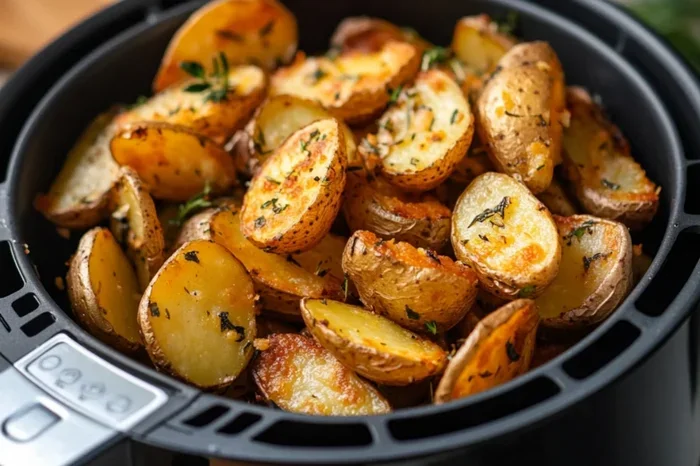
How To Translate Oven To Air Fryer With Simple Steps
Learning how to translate oven to air fryer recipes is a game changer for any home cook. You will discover simple temperature drops, shorter cook times, and easy tricks that turn your oven favorites into air fryer wins. This guide gives you everything you need to convert oven recipes with confidence and zero stress.
Have you ever had a favorite oven recipe and wished you could make it in your air fryer instead? Maybe you love a certain casserole or baked dish but want to cut down on cooking time and get a crispier finish. The good news is that translating oven recipes to air fryer is easier than you think. With a few simple adjustments, you can enjoy your favorite dishes in a fraction of the time.
In this guide, we will walk you through everything you need to know about how to translate oven to air fryer recipes. You will learn the basic rules for temperature conversion and time adjustments. We will also share practical tips, common mistakes to avoid, and a handy conversion chart. By the end, you will feel confident enough to convert any oven recipe to your air fryer with ease.
Key Takeaways
- Lower the temperature by 25°F: Air fryers use convection heat that cooks faster, so a small temperature drop prevents burning.
- Reduce cook times by 20 to 25 percent: Your food will be done much quicker than the oven recipe suggests.
- Never skip the preheat step: Preheating the air fryer ensures even browning and better texture.
- Do not overcrowd the basket: Leave space for hot air circulation to reach every piece of food.
- Use a light coating of oil: A little cooking spray goes a long way for crispy results without extra fat.
- Adjust for food size and thickness: Thinner or smaller pieces cook much faster and need closer monitoring.
- Check food early and often: Recipe adaptation means trusting your senses and checking doneness before the timer ends.
📑 Table of Contents
- What Does It Mean to Translate Oven to Air Fryer?
- How an Air Fryer Differs From a Traditional Oven
- Temperature Conversion Rules for Oven to Air Fryer
- Time Adjustments When Converting Recipes
- Best Practices for Great Air Fryer Results
- Common Mistakes to Avoid When Translating Recipes
- Quick Reference: Oven to Air Fryer Conversion Table
- Final Thoughts on How To Translate Oven To Air Fryer
What Does It Mean to Translate Oven to Air Fryer?
When we talk about how to translate oven to air fryer, we mean taking a recipe written for a standard oven and adapting it for an air fryer. An air fryer is a small kitchen appliance that uses convection heat to cook food quickly. It blows hot air around the food at high speed, which creates a crispy outer layer without needing a lot of oil.
The air fryer works very differently from a regular oven. Your oven heats up a large space slowly and evenly. An air fryer focuses intense, hot air directly onto the food inside a smaller air fryer basket. This means your cooking times and temperatures will need to change. Recipe adaptation is the key to getting great results every time.
The good thing is that you do not need to be a math expert to make this work. A few simple rules will guide you through the process. Once you understand the basics, converting oven recipes becomes second nature. You will start saving time and energy without sacrificing taste or texture.
Why Should You Convert Oven Recipes to Air Fryer?
There are many reasons to learn air fryer conversion. First, cooking time reduction is huge. What takes 45 minutes in an oven might be done in 20 to 25 minutes in an air fryer. That is a big win on a busy weeknight.
Second, you get crispy results that are hard to match with a regular oven. Think perfectly golden fries, crispy chicken skin, and evenly browned edges. Third, an air fryer uses less energy because it heats up fast and cooks quickly. This is better for your utility bills and the environment.
Finally, oil reduction is a major benefit. You can enjoy fried-style textures with just a light spray of cooking spray or a few drops of olive oil. Your meals become lighter and healthier without giving up flavor.
How an Air Fryer Differs From a Traditional Oven
Understanding the differences between these two kitchen appliances is essential for successful recipe adaptation. Let us break down the main differences so you know exactly what to expect when you translate oven to air fryer recipes.
Hot Air Circulation
An air fryer relies on rapid hot air circulation to cook food. A fan inside the unit blows superheated air around the food at high speed. This creates a convection effect that cooks food from all sides at once. In a traditional oven, the heat comes from elements at the top and bottom, and it takes longer to reach the food evenly.
This is why even browning happens so well in an air fryer. The constant flow of hot air surrounds every piece of food, giving you that perfect golden color without needing to flip or rotate items as often.
Size and Capacity Differences
An air fryer has a much smaller cooking space than a standard oven. This means you will often need to cook in smaller batches. If a recipe serves six people from the oven, you might need to run the air fryer two or three times to get the same amount of food.
This is an important factor to consider when converting oven recipes. If you are cooking for a large family or group, plan ahead so you are not stuck waiting around for multiple batches. For smaller households, this is rarely a problem and actually works in your favor for faster meal prep.
Heat Distribution
In a regular oven, heat can sometimes be uneven, especially if your oven has hot spots. An air fryer distributes heat more uniformly because of the fan system. This is great for food dehydration and getting consistent crispy results on all sides.
However, it also means that food can cook faster on the outside and stay underdone on the inside if you are not careful. This is why adjusting cook times is so important when you translate oven to air fryer methods.
Temperature Conversion Rules for Oven to Air Fryer
Temperature conversion is the most important part of how to translate oven to air fryer recipes. The good news is that the rule is simple and easy to remember.
The General Temperature Rule
When you convert oven recipes to an air fryer, you should lower the temperature by 25°F (about 12°C). So if a recipe calls for 400°F in the oven, set your air fryer temperature to 375°F. This temperature drop accounts for the more intense and direct heat that an air fryer produces.
Here is why this works. Because the air fryer blows hot air directly onto the food, it cooks more efficiently. If you kept the same temperature as the oven, your food would likely burn on the outside while staying raw inside. The 25°F reduction gives you a safe and reliable adjustment for most recipes.
Quick Tip: Always check your air fryer manual. Some models run hotter than others. If you are unsure, start at a slightly lower temperature and check your food early. You can always cook for a few more minutes, but you cannot undo burnt food.
Temperature Conversion Chart Examples
Here are some common examples to help you visualize the temperature conversion process:
- Oven 350°F becomes Air Fryer 325°F
- Oven 375°F becomes Air Fryer 350°F
- Oven 400°F becomes Air Fryer 375°F
- Oven 425°F becomes Air Fryer 400°F
- Oven 450°F becomes Air Fryer 425°F
These are general guidelines. Depending on your specific air fryer model and the type of food you are cooking, you may need to adjust slightly. Use these numbers as your starting point and fine-tune as you go.
Time Adjustments When Converting Recipes
Temperature is only half the equation. The other half is cooking time reduction. When you translate oven to air fryer recipes, you need to cut the cook time significantly.
Reducing Cook Times
As a general rule, you should reduce the oven baking times by 20 to 25 percent when using an air fryer. For example, if an oven recipe says to bake something for 30 minutes, start checking your air fryer version at about 22 to 24 minutes.
This cooking time reduction happens because the convection heat in an air fryer transfers energy to the food much faster than a traditional oven. The hot air surrounds the food completely, which speeds up the cooking process dramatically.
Quick Tip: Set your timer for the lower end of the range and check the food. You can always add more time, but overcooked food cannot be undone. Getting into the habit of checking early will save you from dry, overcooked meals.
Checking for Doneness
When you convert oven recipes to an air fryer, always use a food thermometer or check visually. For meats, the internal temperature should reach the safe level recommended by food safety guidelines. For vegetables and baked goods, look for golden color and a firm texture.
Different foods have different doneness cues. Fried chicken should have a deep golden crust and reach 165°F inside. Roasted vegetables should be tender on the inside and caramelized on the outside. Fresh bread should be golden brown and sound hollow when tapped.
Best Practices for Great Air Fryer Results
Now that you understand the rules for temperature conversion and time adjustments, let us look at the best practices that will help you get the best results every time you translate oven to air fryer recipes.
Preparing Your Air Fryer
Before you start cooking, make sure your air fryer is clean and ready to go. Remove any leftover crumbs or residue from previous cooks. A clean air fryer basket ensures proper hot air circulation and prevents smoke or off-flavors.
Always preheat the air fryer before adding your food. Just like with an oven, preheating helps the food start cooking immediately. Most air fryers only need 2 to 3 minutes to preheat. This small step makes a big difference in even browning and overall texture.
Avoiding Overcrowding the Basket
One of the most common mistakes people make is overcrowding the air fryer basket. When food is packed too tightly, the hot air cannot circulate properly. This leads to uneven cooking, soggy spots, and less crispy results.
Instead, arrange food in a single layer with some space between each piece. If you need to cook a large quantity, work in smaller batches. Yes, this takes more time, but the results are worth it. Overcrowding is the fastest way to ruin a good air fryer conversion.
Expert Insight: If your air fryer has a rack or tray attachment, use it. A rack allows air to flow underneath the food, giving you even browning on both sides without needing to flip halfway through cooking.
Using the Right Amount of Oil
One of the biggest advantages of an air fryer is that you need far less oil than deep frying or even oven roasting. A light mist of cooking spray or a quick brush of oil on the food surface is usually enough.
Too much oil will make your food soggy instead of crispy. The air fryer works by drying out the surface of the food quickly, which creates the crunch. Excess oil prevents this drying effect and can lead to greasy results.
For breaded foods, a very thin layer of oil helps the coating adhere and crisp up. For fresh vegetables, a light spray is all you need to achieve beautiful crispy results without adding extra calories.
Rack Positioning and Basket Placement
Where you place food in the air fryer basket matters more than you might think. For the best even browning, place thicker or denser items toward the bottom of the basket. Lighter or more delicate items go on top.
If your air fryer has multiple levels or trays, use them strategically. The top tray gets more direct heat from the heating element, so reserve it for foods that benefit from extra crisping. The bottom tray works well for items that need more gentle, even cooking.
Common Mistakes to Avoid When Translating Recipes
Even experienced cooks make mistakes when they first start translating oven to air fryer recipes. Here are the most common errors and how to avoid them.
Skipping the Preheat Step
Many people treat the air fryer like a regular oven and skip preheating. This is a big mistake. Without preheating, your food starts cooking in a cold environment, which leads to uneven results and longer cook times. Always give your air fryer 2 to 3 minutes to reach the target temperature before adding food.
Ignoring Food Size and Thickness
The air fryer works best with food that is relatively uniform in size and thickness. If you throw in a mix of thick and thin pieces, the thin ones will burn while the thick ones stay underdone. Cut your food into similar-sized pieces for the best air fryer conversion results.
For frozen food, you may need to add a few extra minutes to the cook time. Frozen items release moisture as they thaw, which can create steam and reduce crispiness. Pat frozen food dry with a paper towel before cooking for better texture.
Using Too Much Batter or Dough
Thick batters and wet doughs do not work well in an air fryer. They tend to drip off or become soggy because the hot air circulation dries them out too quickly on the outside while the inside stays wet. For recipes that call for thick batters, thin them out slightly or use a lighter coating method.
Quick Tip: If a recipe calls for deep-frying in batter, try dredging the food in flour, dipping it in a thin egg wash, and then coating it with breadcrumbs. This gives you a lighter, crispier coating that works perfectly in an air fryer.
Not Shaking or Flipping During Cooking
Even though an air fryer circulates hot air well, you still need to shake the basket or flip food halfway through cooking. This ensures all sides get exposed to the heat and promotes even browning. Set a timer to remind yourself to shake the basket at the halfway point.
Quick Reference: Oven to Air Fryer Conversion Table
Use this simple table as a quick guide when you are converting oven recipes to your air fryer. Remember that these are starting points, and you may need to adjust based on your specific air fryer model and the type of food you are cooking.
| Oven Setting | Air Fryer Setting | Time Adjustment |
|---|---|---|
| 350°F / 30 min | 325°F / 22-24 min | Reduce time by 20-25% |
| 375°F / 25 min | 350°F / 18-20 min | Reduce time by 20-25% |
| 400°F / 20 min | 375°F / 15-17 min | Reduce time by 20-25% |
| 425°F / 15 min | 400°F / 11-13 min | Reduce time by 20-25% |
| 450°F / 10 min | 425°F / 7-9 min | Reduce time by 20-25% |
This table shows the general pattern clearly. Always start checking your food a few minutes before the suggested time. Every air fryer model is slightly different, and factors like food thickness, quantity, and starting temperature all affect the final cook time.
Final Thoughts on How To Translate Oven To Air Fryer
Learning how to translate oven to air fryer is one of the most useful skills you can develop in the kitchen. Once you understand the basic rules of temperature conversion and time adjustments, you will find that recipe adaptation becomes second nature. The air fryer is a versatile kitchen appliance that can handle everything from frozen food to fresh vegetables to baked goods.
Remember the core principles. Lower the temperature by 25°F, reduce cook times by 20 to 25 percent, always preheat the air fryer, and never overcrowd the basket. Follow these rules and you will get crispy results and even browning almost every time.
Do not be afraid to experiment. Every recipe you convert teaches you something new about how your air fryer works. Keep notes on what worked and what did not. Over time, you will develop an instinct for air fryer conversion that goes beyond any chart or guide.
The goal is simple. You want to enjoy your favorite oven dishes faster, with less oil, and with a better texture. Once you master the art of translating oven recipes to air fryer, you will wonder how you ever cooked without one. Start with simple recipes, build your confidence, and soon you will be converting oven recipes like a pro.
So go ahead. Pick a recipe you love, grab your air fryer, and give it a try. The cooking time reduction alone is worth it. And the crispy results will make you a believer. Happy cooking!
Frequently Asked Questions
Can I use the same temperature for both oven and air fryer?
No, you should always lower the temperature by about 25°F when you translate oven to air fryer recipes. The air fryer uses convection heat that cooks food more intensely, so a temperature drop prevents burning and ensures even cooking.
How much time should I cut when converting oven recipes to air fryer?
Reduce the oven baking times by 20 to 25 percent as a general rule. Start checking your food a few minutes before the suggested time. Cooking time reduction varies based on food type, thickness, and quantity, so always use your senses to check for doneness.
Do I need to preheat my air fryer before cooking?
Yes, always preheat the air fryer for 2 to 3 minutes before adding food. Preheating ensures that your food starts cooking immediately, which leads to better even browning and crispy results. Skipping this step can lead to unevenly cooked food.
Can I cook frozen food directly in the air fryer?
Yes, an air fryer is excellent for cooking frozen food directly. You may need to add a few extra minutes to the cook time compared to fresh food. Pat frozen items dry with a paper towel before cooking to remove excess moisture and achieve the best crispy results.
Why is my air fryer food soggy instead of crispy?
Soggy food usually happens when the air fryer basket is overcrowded, preventing proper hot air circulation. Too much oil or moisture on the food surface can also cause sogginess. Make sure to use a light coating of cooking spray and cook food in a single layer for the best air fryer conversion results.
Can I bake bread and pastries in an air fryer?
Yes, you can bake bread and pastries in an air fryer, but you may need to adjust the temperature conversion and time adjustments. Baked goods often benefit from a slightly lower temperature and shorter cook time. Keep an eye on them as they bake since air fryers can brown pastries faster than a traditional oven.