How Do You Cook A Perfect Porterhouse Steak In The Oven
Cooking a porterhouse steak in the oven is easier than you think. This guide walks you through every step, from picking the right cut to pulling it off the heat at perfect doneness. You will learn oven temperatures, seasoning tricks, and the reverse sear method that delivers a stunning crust and tender, juicy interior every single time.
There is something deeply satisfying about cooking a porterhouse steak in the oven. It fills your kitchen with a rich, savory aroma, and the results feel truly special. Whether you are celebrating a milestone or just treating yourself to a weeknight dinner, this thick, bone-in cut delivers serious flavor and a restaurant-quality experience right at home.
If you have ever wondered how do you cook a porterhouse steak in the oven and get it just right, you are in the right place. This guide covers everything from selecting the perfect cut to pulling it off the heat at the ideal moment. You will find clear steps, practical tips, and honest advice that makes the whole process feel simple and fun. Let us dive in.
Key Takeaways
- Choose a thick-cut porterhouse: A steak at least 1.5 inches thick cooks more evenly in the oven and gives you better control over doneness.
- Use a meat thermometer: This is the single most important tool for nailing the perfect internal temperature without guesswork.
- Rest your steak after cooking: Letting the steak rest for 5 to 10 minutes redistributes juices and keeps the meat moist.
- Try the reverse sear method: Cooking low and slow in the oven, then finishing with a hot sear, gives you an even pink interior and a beautiful crust.
- Season simply but well: Salt, pepper, garlic, and fresh herbs are all you need to let the natural flavor of the beef shine.
- Avoid common mistakes: Skipping the rest, using a cold pan, or overcooking are the top errors that ruin a great porterhouse.
📑 Table of Contents
- Why Oven-Cooked Porterhouse Steak Is Worth It
- Choosing the Best Porterhouse Steak for Oven Cooking
- How To Cook A Porterhouse Steak In The Oven: Step-by-Step
- The Reverse Sear Method for Perfect Oven Steak
- Common Mistakes to Avoid When Cooking Steak in the Oven
- Serving and Pairing Your Perfect Oven-Cooked Steak
- Quick Tips for the Best Oven-Cooked Porterhouse Steak
- Final Thoughts on Cooking Porterhouse Steak in the Oven
Why Oven-Cooked Porterhouse Steak Is Worth It
Many people associate great steak with an open flame or a blazing hot grill. And while a grill certainly has its charm, cooking a porterhouse steak in the oven offers unique advantages that are hard to ignore. The enclosed heat environment surrounds the meat evenly, which reduces the risk of uneven cooking and hot spots.
Here are some reasons why oven cooking works so well for this cut:
- Even heat distribution: The oven wraps the steak in consistent warmth, cooking it more uniformly than a stovetop alone.
- Better control: You can set a precise temperature and monitor progress without worrying about flare-ups or inconsistent burner heat.
- Hands-off cooking: Once the steak is in the oven, you can prep sides, set the table, or simply relax while it cooks.
- Perfect for thick cuts: A porterhouse steak is a thick, generous cut. The oven handles that extra mass far better than a quick stovetop sear alone.
- Consistent results: With the right temperature and timing, you can replicate excellent results every single time.
The porterhouse steak comes from the short loin, and it features two distinct muscles separated by a T-shaped bone. On one side sits the tenderloin, which is incredibly soft and mild. On the other side is the strip steak, which offers a bolder, more robust beef flavor. This combination is what makes the porterhouse so special and why cooking it properly matters so much.
Choosing the Best Porterhouse Steak for Oven Cooking
Look for Thickness and Quality
Not all porterhouse steaks are created equal. When you are shopping for a steak to cook in the oven, thickness matters more than almost anything else. Aim for a cut that is at least 1.5 inches thick, though 2 inches is even better. Thicker steaks give you a larger margin of error and make it easier to achieve a perfect pink center without overcooking the edges.
Here is what to look for when selecting your porterhouse:
- Marbling: Look for fine streaks of white fat running through the meat. This marbling melts during cooking and adds juiciness and flavor.
- Color: The beef should be a bright, cherry-red color. Avoid any cuts that look brown or dull on the surface.
- Bone-in cut: The T-bone bone is what defines a porterhouse. Make sure the bone is intact and the meat on both sides of the bone is generous.
- Grade: If available, choose USDA Choice or USDA Prime grades for the best flavor and tenderness.
- Freshness: Buy from a trusted butcher or reputable meat counter. Fresh beef cooks better and tastes superior to anything that has been sitting too long.
Porterhouse vs. Ribeye vs. Filet Mignon
People often compare the porterhouse to other popular steak cuts. Understanding the differences helps you appreciate why this particular cut is so beloved for oven cooking. Below is a quick comparison of the porterhouse against two other common choices.
| Feature | Porterhouse Steak | Ribeye Steak | Filet Mignon |
|---|---|---|---|
| Cut Location | Short loin (tenderloin + strip) | Rib section | Front of tenderloin |
| Bone | Yes, T-shaped bone | Bone-in or boneless | Usually boneless |
| Flavor | Rich, beefy, balanced | Very rich, buttery | Mild, delicate |
| Tenderness | Very tender (tenderloin side) | Moderately tender | Extremely tender |
| Best Cooking Method | Oven, grill, cast iron | Grill, cast iron, oven | Pan-sear, oven |
| Ideal Thickness | 1.5 to 2.5 inches | 1 to 1.5 inches | 1.5 to 2 inches |
| Fat Content | Moderate | High | Low |
The porterhouse holds its own beautifully in the oven because of its thickness and the way the two muscles cook at a similar rate. This makes it one of the most forgiving and rewarding cuts to prepare at home.
How To Cook A Porterhouse Steak In The Oven: Step-by-Step
Now let us get to the heart of the matter. Follow these steps closely, and you will be rewarded with a stunning porterhouse steak that rivals anything served in a fine dining restaurant.
Step 1: Bring the Steak to Room Temperature
Take your porterhouse steak out of the refrigerator about 30 to 45 minutes before cooking. This might seem like a small detail, but it makes a big difference. A steak that starts at room temperature cooks much more evenly than one that goes straight from the cold fridge into a hot oven.
While the steak rests on the counter, pat it dry with paper towels. A dry surface is essential for developing a beautiful crust during the sear. Moisture on the surface creates steam, which prevents browning and leaves you with a gray, soggy exterior instead of that gorgeous, caramelized finish.
Step 2: Season Generously
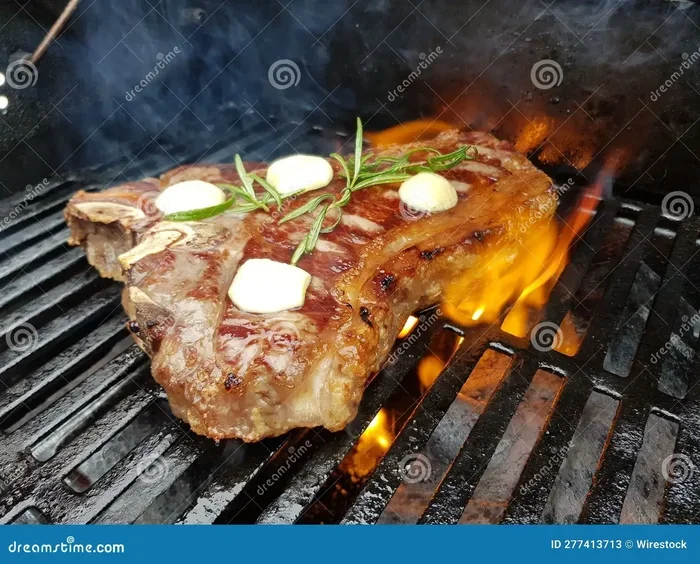
Seasoning a porterhouse steak is simple, but do not underestimate its importance. Start with a generous coating of kosher salt on all sides. Follow that with freshly cracked black pepper. If you want to get a little fancier, add minced garlic, a sprinkle of smoked paprika, or a few sprigs of fresh rosemary and thyme.
Here is a quick seasoning guide:
- Kosher salt: About 1 teaspoon per side for a 2-inch steak. Apply at least 40 minutes before cooking, or right before if you are short on time.
- Black pepper: Freshly cracked, applied just before the steak hits the heat.
- Garlic: Minced fresh garlic rubbed into the surface adds a wonderful aromatic depth.
- Fresh herbs: Rosemary and thyme complement the rich beef flavor beautifully.
- Butter: A small pat of softened butter mixed with herbs makes an excellent finishing touch.
Step 3: Preheat the Oven
Preheat your oven to 275 degrees Fahrenheit for the reverse sear method, or 400 degrees Fahrenheit for a direct high-heat approach. The temperature you choose depends on the method you prefer, and both produce excellent results.
Place an oven-safe skillet or a cast iron pan in the oven while it preheats. A hot pan is essential for getting that perfect steak crust when the time comes. If you do not have a cast iron skillet, any heavy oven-safe pan will work well.
Step 4: Cook the Steak in the Oven
For the reverse sear method, place the seasoned porterhouse steak on a wire rack set over a baking sheet. This allows air to circulate around the steak, ensuring even cooking. Slide the pan into the preheated 275-degree oven and cook until the internal temperature reaches about 110 to 115 degrees Fahrenheit for medium-rare. This usually takes about 20 to 30 minutes depending on the thickness of your cut.
For the direct high-heat method, remove your hot skillet from the oven, add a small amount of high smoke-point oil, and place the steak directly in the pan. Sear for about 2 minutes per side, then transfer the skillet to the 400-degree oven and continue cooking until the desired internal temperature is reached.
Step 5: Sear for a Beautiful Crust
If you used the reverse sear method, this step is where the magic happens. Heat a cast iron skillet over high heat until it is smoking hot. Add a tablespoon of oil with a high smoke point, like avocado oil or grapeseed oil. Carefully place the porterhouse steak in the pan and let it sear undisturbed for about 1 to 2 minutes per side.
For extra flavor, add a tablespoon of butter, a few crushed garlic cloves, and a sprig of fresh thyme to the pan during the last 30 seconds of searing. Tilt the pan slightly and spoon the foaming butter over the steak repeatedly. This technique, known as butter basting, infuses the steak with rich, savory flavor and helps create an irresistible golden crust.
Step 6: Rest the Steak
This is the step most people skip, and it is the one that makes the biggest difference. Transfer the cooked porterhouse steak to a cutting board and let it rest for at least 5 to 10 minutes. During cooking, the juices inside the meat are pushed toward the center. Resting allows those juices to redistribute evenly throughout the steak, which means every bite is moist and flavorful.
Do not skip this step. A porterhouse steak that is cut immediately after cooking will lose a significant amount of its juices onto the cutting board instead of staying in the meat where they belong.
Step 7: Slice and Serve
When you are ready to serve, slice the porterhouse against the grain. The tenderloin side and the strip side have slightly different grain directions, so take a moment to identify each and slice accordingly. This simple technique ensures maximum tenderness in every bite.
Serve the sliced steak alongside roasted vegetables, a loaded baked potato, or a simple side salad. A drizzle of the resting juices from the cutting board over the sliced steak adds an extra layer of richness that is absolutely worth it.
The Reverse Sear Method for Perfect Oven Steak
The reverse sear method has become a favorite technique among home cooks and professional chefs alike, and for good reason. Instead of starting with a blazing hot pan and finishing in the oven, you do the reverse: start low and slow in the oven, then finish with a quick, intense sear on the stovetop.
Why the Reverse Sear Works So Well
There are several reasons why this method produces outstanding results for a porterhouse steak:
- Even doneness throughout: Cooking at a low temperature gradually raises the internal temperature of the steak, resulting in an edge-to-edge pink center with no gray band.
- Perfect crust: The final sear on a screaming-hot cast iron skillet creates a deep, caramelized exterior that is full of flavor.
- Less stress: You have a wider window of time to monitor and pull the steak at the right moment. There is less risk of overcooking.
- Better texture: The low-and-slow phase gently breaks down connective tissue, resulting in a more tender and juicy steak.
Reverse Sear Temperature Guide
Here is a simple temperature guide to help you nail the perfect doneness every time. Use a reliable instant-read meat thermometer for the most accurate results.
- Rare: Pull the steak at 115 to 120 degrees Fahrenheit after searing.
- Medium Rare: Pull at 125 to 130 degrees Fahrenheit after searing. This is the sweet spot for most porterhouse lovers.
- Medium: Pull at 135 to 140 degrees Fahrenheit after searing.
- Medium Well: Pull at 145 to 150 degrees Fahrenheit after searing.
- Well Done: Pull at 155 degrees Fahrenheit and above after searing. Not recommended for a porterhouse, as it can dry out the tenderloin portion.
Remember that the temperature will rise by about 5 degrees during the resting phase. This is known as carryover cooking, and accounting for it is essential to hitting your target doneness perfectly.
Expert Insight
Chef and steak enthusiast Mark McBroom recommends using a wireless meat thermometer when cooking a porterhouse steak in the oven. “It takes all the guesswork out of the process,” he says. “You can monitor the internal temperature from your phone and pull the steak at exactly the right moment. It is a game changer for home cooks.”
Common Mistakes to Avoid When Cooking Steak in the Oven
Even experienced home cooks make mistakes from time to time. Being aware of the most common errors helps you avoid them and consistently produce better results. Here are the pitfalls to watch out for.
Starting with a Cold Steak
Never put a cold steak straight from the refrigerator into a hot oven. The extreme temperature difference causes the outer layers to cook much faster than the center, leading to an overcooked exterior and a cold, undercooked interior. Always let your porterhouse steak come to room temperature before cooking.
Skipping the Dry Surface Step
Moisture is the enemy of a great crust. If the surface of your steak is wet, it will steam instead of sear. Always pat the steak thoroughly dry with paper towels before seasoning and placing it in the oven or pan. This single step makes a noticeable difference in the final result.
Not Using a Meat Thermometer
Timing is helpful, but temperature is everything. Cooking times vary based on the thickness of the steak, the exact oven temperature, and the starting temperature of the meat. An instant-read meat thermometer removes all guesswork and takes the pressure off. It is the best investment you can make for cooking steak at home.
Cutting Into the Steak Too Early
It is tempting to cut into the steak the moment it comes out of the oven to check if it is done. Resist that urge. Every time you pierce the meat, juices escape, and the steak loses moisture. Use the thermometer instead and let the steak rest undisturbed.
Overcooking the Tenderloin Side
The tenderloin side of a porterhouse cooks faster than the strip side because it is leaner and has less connective tissue. Keep a close eye on the internal temperature, especially near the bone, where heat can concentrate and overcook the tenderloin quickly.
Serving and Pairing Your Perfect Oven-Cooked Steak
A great porterhouse steak deserves equally great sides. The richness of the beef pairs wonderfully with a variety of accompaniments that balance its bold flavor. Here are some serving ideas that elevate the entire meal.
- Crispy roasted potatoes: Toss baby potatoes with olive oil, garlic, and rosemary, then roast at 400 degrees until golden and crispy.
- Grilled asparagus: A simple drizzle of olive oil, a squeeze of lemon, and a pinch of salt transforms grilled asparagus into the perfect steak side.
- Garlic butter mushrooms: Sauté sliced mushrooms in butter with minced garlic and fresh thyme for a rich, earthy complement.
- Classic Caesar salad: The bright, tangy flavors of a Caesar salad cut through the richness of the steak beautifully.
- Creamed spinach: A warm, creamy spinach dish adds comfort and elegance to any steak dinner.
- Red wine reduction sauce: Simmer red wine with shallots, beef broth, and a knob of butter for a luxurious pan sauce.
For drinks, a bold red wine like a Cabernet Sauvignon or a Malbec pairs naturally with a porterhouse steak. If you prefer beer, a stout or an amber ale complements the rich beef flavor wonderfully. And for non-drinkers, a sparkling water with a squeeze of lemon or a craft ginger ale provides a refreshing contrast.
Quick Tips for the Best Oven-Cooked Porterhouse Steak
- Dry the steak thoroughly before seasoning for the best possible crust.
- Use a wire rack when cooking in the oven to allow hot air to circulate around the entire steak.
- Let the pan heat up completely before adding the steak for searing. A hot pan is non-negotiable for a great crust.
- Use high smoke-point oil like avocado oil or grapeseed oil for searing to prevent burning.
- Rest the steak for at least 5 minutes before slicing to keep all those delicious juices inside.
- Slice against the grain on both the tenderloin and strip sides for maximum tenderness.
- Season simply and let the quality of the beef speak for itself.
Final Thoughts on Cooking Porterhouse Steak in the Oven
Cooking a porterhouse steak in the oven is one of the most rewarding things you can do in the kitchen. It is a process that combines simple techniques with a little patience, and the payoff is a meal that feels truly special. From choosing the right cut at the butcher counter to pulling it off the heat at the perfect moment, every step matters.
The reverse sear method, in particular, takes the guesswork out of oven-cooked steak and delivers consistently impressive results. Once you master the basics of temperature control, seasoning, and resting, you will find that a restaurant-quality porterhouse steak is well within your reach at home.
Remember to keep things simple. A great porterhouse steak does not need a complicated recipe. Good beef, a little salt and pepper, proper heat, and a bit of patience are all you need. So the next time you are craving a perfect steak, fire up your oven, grab your porterhouse, and enjoy the process. You have got this.
Frequently Asked Questions
What is the best oven temperature for cooking a porterhouse steak?
For the reverse sear method, preheat your oven to 275 degrees Fahrenheit. This low temperature cooks the steak gently and evenly. For a direct high-heat approach, set the oven to 400 degrees Fahrenheit after searing the steak on the stovetop. Both methods produce excellent results when paired with a meat thermometer to monitor doneness.
How long should I cook a porterhouse steak in the oven?
Cooking time depends on the thickness of the steak and the method you use. For the reverse sear at 275 degrees, a 2-inch thick porterhouse typically takes 20 to 30 minutes. For the direct high-heat method, after searing, the steak may only need 8 to 12 minutes in a 400-degree oven. Always use a meat thermometer to check the internal temperature rather than relying solely on time.
Should I sear a porterhouse steak before putting it in the oven?
It depends on which method you prefer. The reverse sear method skips the initial sear and starts with a low oven temperature, finishing with a hot sear at the end. The direct method starts with a quick sear on the stovetop before transferring to the oven. Both approaches are excellent, but the reverse sear gives you more control over doneness and a more even pink interior.
What is the best way to check if a porterhouse steak is done?
The most reliable way is to use an instant-read meat thermometer inserted into the thickest part of the steak, away from the bone. For medium-rare, aim for 130 to 135 degrees Fahrenheit. Remember that the temperature will rise by about 5 degrees during resting, so pull the steak slightly below your target temperature for the best result.
How long should I rest a porterhouse steak after cooking?
Let the steak rest for at least 5 to 10 minutes after cooking. Place it on a cutting board and tent it loosely with aluminum foil if you prefer. Resting allows the juices inside the meat to redistribute, which means every slice will be moist and flavorful. Cutting too early causes those juices to run out and the steak to dry out faster.
Can I cook a frozen porterhouse steak in the oven?
It is best to cook a fully thawed porterhouse steak for even cooking and the best texture. If you must cook from frozen, increase the oven time significantly and use a lower temperature to allow the center to thaw and cook without overcooking the edges. However, thawing the steak in the refrigerator overnight gives you far more control and better results overall.
=== CONCLUSION ===
Learning how do you cook a porterhouse steak in the oven opens up a world of delicious possibilities right in your own kitchen. With the right cut, proper seasoning, precise temperature control, and a little patience, you can produce a steak that is juicy, tender, and packed with flavor. The reverse sear method is your best friend for consistent, restaurant-quality results, and using a meat thermometer takes all the guesswork out of the equation.
Avoid the common mistakes, follow the steps outlined in this guide, and do not be afraid to experiment with seasoning and sides. The beauty of cooking a porterhouse steak in the oven is that it is forgiving and rewarding. Whether you are a beginner or a seasoned home cook, this cut will always deliver a memorable dining experience. So go ahead, pick up a beautiful porterhouse, and give it the attention it deserves. Your taste buds will thank you.