How To Make Brewed Coffee With Rich Flavor and Aroma
Learn how to make brewed coffee with rich flavor and aroma using simple home methods. This comprehensive guide covers everything from choosing the right beans to mastering your brewing technique. You will discover easy tips that transform your daily coffee routine into something special. Whether you prefer a quick drip or a slow French press, we have you covered. By the end, you will know exactly how to brew the perfect cup at home.
Key Takeaways
- Fresh beans matter: Using freshly roasted, properly ground coffee is the single biggest factor in flavor.
- Water temperature is key: The ideal range is between 195°F and 205°F for optimal extraction.
- Multiple methods work: From drip makers to French presses, each method brings out different notes.
- Ratio matters: A standard ratio of two tablespoons of coffee per six ounces of water produces a balanced cup.
- Store beans properly: Keep coffee in an airtight container away from light and heat to preserve freshness.
- Clean your equipment: Regular cleaning prevents buildup that can dull your coffee’s taste.
📑 Table of Contents
- Understanding What Makes Brewed Coffee Special
- Choosing the Right Coffee Beans for Rich Flavor
- Essential Equipment for Brewing Coffee at Home
- Step-by-Step Guide to Brewing the Perfect Cup
- Popular Brewed Coffee Methods Explained
- Tips for Maximum Flavor and Aroma
- Common Mistakes That Ruin Your Brew
- Conclusion
Understanding What Makes Brewed Coffee Special
There is something magical about a fresh cup of brewed coffee in the morning. The rich coffee flavor fills your kitchen, and the coffee aroma wakes you up better than any alarm clock. Whether you are a casual coffee drinker or a true enthusiast, how to make brewed coffee at home is a skill worth mastering.
Brewed coffee is different from instant coffee in a big way. With brewed coffee, you extract the full range of flavors from freshly ground beans using hot water. This process brings out the natural oils, acids, and sugars that give each cup its unique character. When you learn to control the variables, every cup can be a perfect cup of coffee.
Many people skip the effort of home brewing and reach for a café instead. But making coffee at home saves money and gives you full control over every step. You choose the beans, the grind, the water, and the brewing time. The result is a home brewed coffee experience that is tailored exactly to your taste.
In this guide, we will walk you through everything you need to know. From selecting the best beans to mastering your brewing technique, you will find practical advice that works. Let us dive into the world of brewed coffee and discover what makes it so special.
Choosing the Right Coffee Beans for Rich Flavor
The foundation of great coffee starts with the beans. Not all coffee beans are created equal, and choosing the right ones makes a huge difference in your final cup. If you want rich coffee flavor and a wonderful coffee aroma, your bean selection matters more than anything else.
Whole Beans vs Pre-Ground Coffee
Whole beans stay fresh longer than pre-ground options. When you grind coffee just before brewing, you preserve the aromatic oils that give coffee its depth. Pre-ground coffee loses flavor quickly because the gases escape from the broken cells. For the best home brewed coffee, buy whole beans and grind them right before you brew.
If you do use pre-ground coffee, store it in an airtight container. Keep it away from heat, light, and moisture. Even with proper storage, whole beans will always deliver a fresher taste. Think of it as the difference between slicing a loaf of bread fresh versus eating day-old slices. Fresh coffee grounds simply taste better.
Roast Levels and Their Impact on Taste
Coffee roast level changes the flavor profile dramatically. Light roasts preserve the original characteristics of the bean. You will taste more floral, fruity, and acidic notes. Medium roasts offer a balanced flavor with hints of caramel and nuts. Dark roasts bring bold, smoky, and chocolatey flavors to the cup.
For brewed coffee, medium roasts are the most popular choice. They strike a nice balance between origin flavors and roast character. But ultimately, the best roast is the one you enjoy most. Experiment with different levels to find what suits your morning coffee routine.
Essential Equipment for Brewing Coffee at Home
You do not need expensive gear to make great coffee. However, having the right tools helps you achieve consistent results. Let us look at the essential equipment you need for your brewed coffee recipe.
Drip Coffee Makers
A drip coffee maker is the most common brewing device in homes around the world. It is simple to use and produces reliable results. You add water to the reservoir, place a coffee filter with grounds in the basket, and press start. The machine heats the water and drips it through the grounds evenly.
Most drip coffee makers have a glass carafe or a thermal pot. Glass carafes keep coffee warm on a heating plate, but they can also burn the coffee if it sits too long. Thermal pots avoid this problem by trapping heat without direct contact. Both options work well for making multiple cups at once. A good coffee maker is an investment that pays off every single day.
French Press and Pour Over Devices
A French press is a simple yet effective tool for making French press coffee. You add coarsely ground coffee to the bottom of the press, pour hot water over it, and let it steep for four minutes. Then you press the plunger down slowly. The result is a full-bodied cup with natural oils still present.
Pour over coffee is another popular method that gives you more control. You place a filter in a dripper, add fresh grounds, and slowly pour hot water in circular motions. This method allows for precise coffee extraction and brings out bright, clean flavors. Many coffee lovers prefer pour over for its clarity and complexity. Both coffee brewing methods produce excellent results when done correctly.
The Role of a Good Coffee Grinder
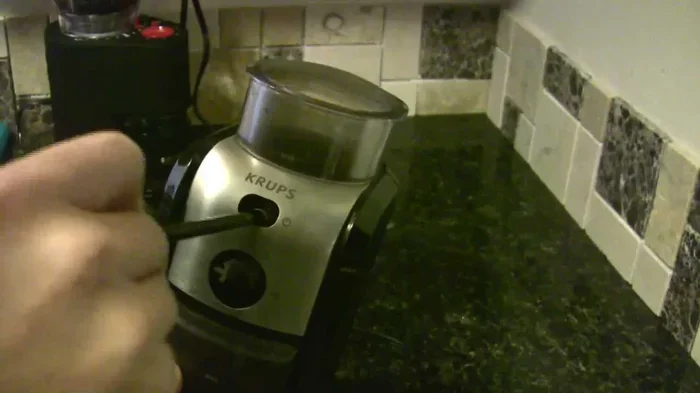
A quality grinder is arguably the most important piece of equipment. The coffee grind size directly affects how water interacts with the grounds. Too fine, and your coffee will be bitter and over-extracted. Too coarse, and it will taste weak and sour.
Burr grinders provide a consistent particle size, which leads to even extraction. Blade grinders chop the beans unevenly, creating a mix of fine and coarse particles. If you are serious about your morning coffee routine, invest in a burr grinder. Your taste buds will thank you every morning.
Step-by-Step Guide to Brewing the Perfect Cup
Now that you have the right beans and equipment, let us walk through the actual process. Following these steps will help you make a consistently excellent cup every time. Here is how to make brewed coffee like a pro.
Measuring Your Coffee and Water
The right ratio is the secret to balanced coffee strength. A good starting point is two tablespoons of coffee grounds per six ounces of water. This is the standard ratio recommended by most coffee experts. You can adjust it up or down based on your personal preference.
Use a kitchen scale for the most accurate measurements. Scoops can be inconsistent because the density of grounds varies. Weighing your coffee and water ensures precision every time. This small habit makes a big difference in the quality of your brewed coffee.
The Brewing Process Made Simple
Start by heating your water to the right temperature. The ideal water temperature for coffee is between 195°F and 205°F. Boiling water is too hot and can scorch the grounds, leading to bitter flavors. If you do not have a thermometer, let boiling water sit for thirty seconds before pouring.
Place your coffee grounds in the filter or brewing device. Slowly add the hot water, making sure all the grounds are saturated. Let the coffee brew for the appropriate amount of time. For drip coffee, this takes about five minutes. For French press, four minutes is ideal. For pour over, aim for three to four minutes total.
Once brewing is complete, serve the coffee immediately. Brewed coffee tastes best when it is fresh. If you need to store it, keep it in a thermal carafe rather than on a hot plate. The heat from a warming plate will degrade the flavor quickly. A fresh brewed coffee recipe always tastes best when served right away.
Popular Brewed Coffee Methods Explained
There are many ways to brew coffee at home. Each method brings out different characteristics in the beans. Let us explore the most popular coffee brewing methods so you can find the one that fits your lifestyle.
Drip Brewing
Drip brewing is the go-to method for millions of people every morning. It is fast, convenient, and produces a clean cup of coffee. A drip machine automates the process, so you can set it up the night before and wake up to fresh coffee.
The key to great drip coffee is using a quality coffee filter. Paper filters remove oils and produce a cleaner taste. Metal filters let more oils through, giving you a richer body. Choose the filter type that matches your flavor preference. Also, make sure to clean your machine regularly to prevent mineral buildup.
French Press Brewing
French press coffee has a loyal following for good reason. It produces a rich, full-bodied cup that retains the natural oils from the beans. The immersion brewing method extracts more flavor compounds than paper-filtered methods.
Use a coarse grind for French press to prevent clogging. The steeping time of four minutes allows for thorough extraction without overdoing it. After pressing, serve the coffee immediately. The grounds will continue to extract if left sitting in the press, which can make the coffee taste bitter.
Pour Over Technique
Pour over coffee is a ritual that many coffee lovers enjoy. It requires patience and attention, but the results are worth it. You have complete control over the water flow, temperature, and extraction time.
Start by placing a filter in your dripper and rinsing it with hot water. This removes any paper taste and preheats the vessel. Add your ground coffee and begin pouring in slow, circular motions. The total brewing time should be around three to four minutes. The result is a clean, bright cup that highlights the unique notes of your beans. This method is perfect for those who love the art of pour over coffee.
Cold Brew vs Hot Brewed Coffee
Cold brew is a different beast entirely. It uses time instead of heat to extract flavor from the grounds. You steep coarse grounds in cold water for twelve to twenty-four hours. The result is a smooth, low-acidity concentrate that is perfect for hot days.
Hot brewed coffee extracts flavors faster and brings out more acidic and complex notes. Cold brew is sweeter and milder by comparison. Both have their place in a coffee lover’s routine. If you want something bold and bright, stick with hot brewing. If you prefer smooth and mellow, try cold brew.
For those who want to explore more coffee techniques, you can also try the microwave coffee method as a quick alternative when you are short on time.
Tips for Maximum Flavor and Aroma
Getting great flavor from your coffee is all about the details. Small adjustments can elevate your cup from ordinary to extraordinary. Here are some proven tips to help you get the most out of every brew.
Water Quality and Temperature
Water makes up more than 98 percent of your cup of coffee. The quality of your water directly affects the taste. Use filtered water if your tap water has a strong chlorine taste or odor. Avoid distilled water because it lacks the minerals that help extract flavor from the grounds.
The water temperature for coffee is equally important. Water that is too hot will over-extract and create bitter flavors. Water that is too cool will under-extract and produce a weak, sour cup. Aim for that sweet spot between 195°F and 205°F for the best results.
Grind Size Matters
Your coffee grind size should match your brewing method. Fine grinds work well for espresso because the water passes through quickly. Medium grinds are ideal for drip coffee makers. Coarse grinds are best for French press and cold brew because the water has longer contact time with the grounds.
Think of it this way. If your coffee tastes bitter, your grind might be too fine. If it tastes weak and sour, try a coarser grind. Adjusting the grind size is one of the easiest ways to improve your cup.
Timing and Extraction
Brewing time affects coffee extraction just as much as grind size does. Over-extraction pulls out bitter compounds, while under-extraction leaves your coffee tasting sour and thin. Finding the right balance is the key to a flavorful cup.
For drip coffee, five minutes is a good target. French press needs four minutes of steeping. Pour over should take three to four minutes. These times may vary slightly based on your specific setup, so use them as a starting point and adjust to your taste.
If you ever have leftover brewed coffee, you can reheat drinks in the oven gently to avoid burning or altering the flavor. This is a better option than microwaving, which can create hot spots and uneven heating. A gentle reheat preserves the smooth taste of your brewed coffee.
Common Mistakes That Ruin Your Brew
Even experienced coffee makers can fall into bad habits. Knowing what to avoid will save you from disappointing cups. Here are the most common mistakes and how to fix them.
Using Stale Coffee Grounds
Stale coffee is the number one enemy of great flavor. Coffee beans start losing their freshness within two weeks of roasting. Once ground, they lose their aromatic compounds even faster. Always check the roast date on your bag and buy only what you will use within a few weeks.
Store your beans in an opaque, airtight container at room temperature. Do not keep them in the freezer, as moisture and odors can affect the flavor. Fresh coffee grounds make an enormous difference in the taste and aroma of your cup.
Wrong Water Temperature
Using boiling water is a mistake many beginners make. Water at a full boil is around 212°F, which is too hot for optimal extraction. It scorches the coffee grounds and pulls out harsh, bitter compounds. Let your water cool slightly before brewing, or use a kettle with temperature control.
Ignoring Your Equipment Cleanup
Coffee oils build up inside your equipment over time. These old oils go rancid and taint the flavor of fresh coffee. Clean your coffee maker, French press, and grinder regularly. For drip machines, run a vinegar and water cycle once a month to remove mineral deposits.
For those with oven-safe coffee equipment, you can also use your oven’s self-cleaning features. Check our guide on self-cleaning oven Whirlpool for tips on maintaining your kitchen equipment, including oven-safe coffee accessories.
Conclusion
Making great brewed coffee at home is easier than you think. With the right beans, proper equipment, and a little practice, you can enjoy café-quality coffee every morning. The key is to pay attention to the details that matter most. Choose fresh beans, grind them correctly, use the right water temperature, and follow the proper brewing time.
Remember that how to make brewed coffee is a journey, not a destination. Every batch teaches you something new about your taste preferences. Do not be afraid to experiment with different beans, methods, and ratios. The perfect cup of coffee is the one that brings you joy every single morning.
Start today. Pick up a bag of fresh beans, follow the steps in this guide, and taste the difference for yourself. Your morning coffee routine will never be the same.
Frequently Asked Questions
What is the best water temperature for brewed coffee?
The ideal water temperature for brewed coffee is between 195°F and 205°F. Water that is too hot will over-extract the grounds and create bitter flavors. Water that is too cool will under-extract and produce a weak, sour cup. If you do not have a thermometer, let boiling water sit for about thirty seconds before pouring it over the grounds.
How long does brewed coffee last?
Fresh brewed coffee tastes best within 30 minutes of brewing. After that, the flavors start to degrade and the aroma fades. If you need to store it, use a thermal carafe instead of a glass pot on a warming plate. The heat from a warming plate will burn the coffee and ruin its taste within an hour.
Can I reuse coffee grounds?
You can reuse coffee grounds, but the second brew will be much weaker and less flavorful. The first extraction pulls out the most desirable compounds. A second brew may still produce a drinkable cup, but it will lack the rich flavor and aroma of the first brew. It is best to use fresh grounds for each cup.
What is the best coffee-to-water ratio for brewed coffee?
The standard ratio is two tablespoons of coffee grounds per six ounces of water. This produces a balanced cup with good strength and flavor. You can adjust the ratio based on your personal preference. If you like stronger coffee, add more grounds. If you prefer a milder cup, use slightly less.
Why does my brewed coffee taste bitter?
Bitter coffee is usually caused by over-extraction. This happens when the water is too hot, the grind is too fine, or the brewing time is too long. Try lowering the water temperature, using a coarser grind, or reducing the brew time. Fresh beans and clean equipment also help prevent bitterness.
Can I make brewed coffee without a coffee maker?
Yes, you can make brewed coffee without a machine. A French press, pour over dripper, or even a simple stovetop method works great. You just need hot water, fresh grounds, and a way to filter the coffee. The microwave coffee method is another quick option if you do not have a traditional coffee maker.